


PCR microplate In Agricultural Disease Detection
PCR microplates play an important role in agricultural biotechnology. They are not only the cornerstone of genetic analysis, but also enable high-throughput and precise genetic analysis of crops and livestock. This technology has revolutionized molecular biology research in the agricultural field and provides a powerful tool for improving productivity, improving variety quality and ensuring food safety.
PCR microplates are usually divided into two specifications: 96-well and 384-well. Each well can accommodate a small amount of reaction mixture for amplifying DNA or RNA samples. This design allows researchers to conduct large-scale experiments simultaneously, greatly improving experimental efficiency and data reliability.
The wide application of PCR microplates covers all aspects of agricultural biotechnology, including key areas such as disease detection, variety improvement and gene editing, providing important support for improving the productivity and adaptability of crops and livestock. The following are some of the PCR microplates:

0.2ml 96 Well PCR Plate
1. Medical grade PP
2. 0.2ml semi-skirted, adapted ABI machine
3. Alphanumeric clear labeling for convenient identification

Half Skirt PCR Microplate
1. Medical grade PP
2. 0.2ml semi-skirted, adapted ABI machine
3. Alphanumeric clear labeling for convenient identification

0.2ml PCR Microplate
1. 0.2ml pcr microplate is made of medical grade PP
2. Semi-skirted, adapted ABI machine

96 Well Pcr Plate
The 96-well PCR plate is a laboratory consumable used in molecular biology experiments, usually used to perform polymerase chain reaction (PCR).

96 PCR Plate
1. Medical grade PP
2. 0.2ml semi-skirted, adapted ABI machine
3. Alphanumeric clear labeling for convenient identification

96 Transparent PCR Plate
1. 96 transparent pcr plate use medical grade PP
2. 0.2ml semi-skirted. adapted well with ABI machine
Advantages of this product in the application field of agricultural-biotechnology
High Throughput and Efficiency
Multiple Samples: PCR microplates allow simultaneous processing of numerous samples, facilitating high-throughput screening which is essential for large-scale agricultural testing.
Time Efficiency: The ability to run many tests in parallel significantly reduces the time required for disease detection, enabling quicker decision-making and response.
Precision and Sensitivity
Accurate Detection: PCR techniques, when performed in microplates, provide high sensitivity and specificity in detecting pathogens, ensuring accurate identification of diseases.
Low Contamination Risk: The closed well format minimizes the risk of cross-contamination between samples, enhancing the reliability of results.
Automation Compatibility
Automated Systems: PCR microplates are compatible with automated liquid handling and thermal cycling systems, reducing manual labor and the potential for human error.
Scalability: Automation allows for scalable operations, from small-scale experimental setups to large-scale commercial testing facilities.
Cost-Effectiveness
Reduced Reagent Use: The microplate format minimizes the volume of reagents required for each reaction, lowering overall costs.
Bulk Processing: Processing multiple samples at once reduces per-sample costs, making disease detection more economical, especially in large agricultural settings.
Versatility
Wide Range of Applications: PCR microplates can be used for various types of PCR assays, including quantitative PCR (qPCR), reverse transcription PCR (RT-PCR), and multiplex PCR, accommodating different diagnostic needs.
Diverse Sample Types: They can handle a variety of sample types, such as plant tissues, soil samples, and insect vectors, providing flexibility in disease detection.
Enhanced Data Management
Integrated Software: Many PCR systems with microplate capabilities include software for data analysis, ensuring accurate interpretation and easy data management.
Traceability: Barcode systems on microplates allow for easy tracking and management of samples, enhancing traceability and record-keeping.
These Tips Are Used In These Fields
PCR microplates are a cornerstone of agricultural biotechnology, enabling high-throughput and precise genetic analysis of crops and livestock. These plates contain multiple wells, typically 96 PCR microplate or 384 PCR microplate, allowing for the simultaneous amplification of numerous DNA or RNA samples. This capability is crucial for various applications in agriculture, ranging from disease detection to genetic modification, enhancing both productivity and sustainability.

Disease Detection in Crops and Livestock
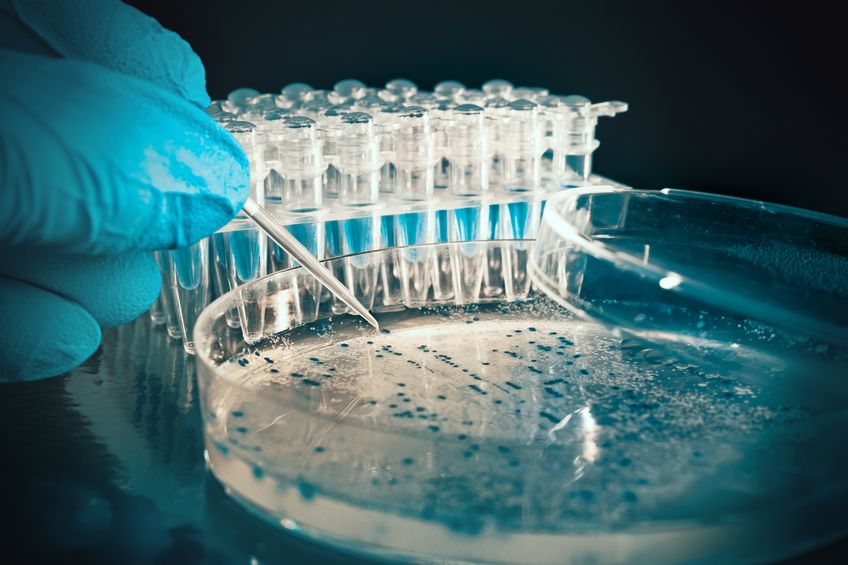
One of the primary applications of PCR microplates in agricultural biotechnology is the detection of diseases in crops and livestock. By using PCR techniques, scientists can identify the presence of specific pathogens, such as bacteria, viruses, and fungi, which can cause significant economic losses. For example, PCR microplates can be used to screen large numbers of plant samples for pathogens like Fusarium or Xanthomonas, enabling early detection and management of outbreaks. Similarly, in livestock, these plates help in diagnosing diseases such as foot-and-mouth disease or avian influenza, ensuring timely intervention and control measures.
PCR microplates are instrumental in the identification and quantification of genetically modified organisms (GMOs) in agricultural products. Regulatory agencies and producers use these plates to ensure compliance with labeling laws and consumer safety standards. By amplifying specific DNA sequences that are unique to GMOs, PCR microplates can quickly and accurately determine the presence and concentration of genetically modified material in crops. This application is essential for maintaining transparency in the food supply chain and for conducting research on the environmental impact of GMOs.

Marker-Assisted Selection in Breeding Programs
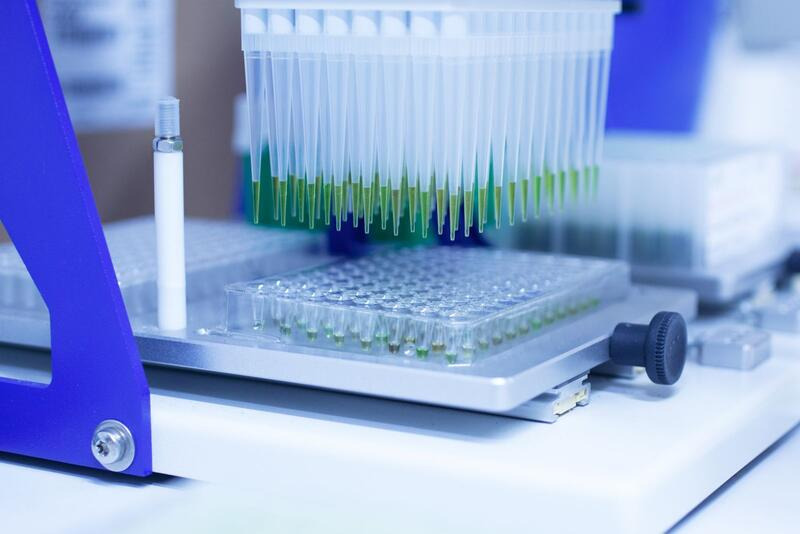
Marker-assisted selection (MAS) is a technique used to accelerate the breeding of crops and livestock with desirable traits such as disease resistance, drought tolerance, and improved nutritional content. PCR microplates facilitate MAS by allowing the simultaneous analysis of multiple genetic markers across a large number of samples. This high-throughput capability speeds up the identification of individuals with the desired genetic traits, thus enhancing the efficiency of breeding programs. For instance, PCR microplates can be used to screen for specific alleles associated with high yield or resistance to pests, thereby aiding in the development of superior crop varieties.
Maybe you still want to know
1. What is a PCR microplate, and how is it used in agricultural biotechnology?
A PCR microplate is a plastic tray with multiple wells designed to hold small volumes of reaction mixtures used in polymerase chain reaction (PCR). In agricultural biotechnology, PCR microplates are crucial for amplifying specific DNA sequences from plant or microbial samples. This technique helps in identifying genetic traits, pathogens, or performing marker-assisted selection in crops.
2. What are the key components of a PCR microplate, and how do they facilitate the PCR process?
A PCR microplate typically consists of 96 or 384 wells, each capable of holding 10-200 µl of reaction mixture. The wells are made of a special plastic that can withstand temperature changes during PCR cycling. They are arranged in a grid pattern for easy handling and compatibility with automated systems. The microplate design ensures uniform heat transfer during thermal cycling, which is crucial for the PCR process's efficiency and reliability.
3. How do PCR microplates contribute to increasing agricultural productivity and sustainability?
PCR microplates enable rapid and accurate detection of genetic markers related to traits such as disease resistance, yield potential, and nutritional content in crops. By identifying desirable traits early in breeding programs, PCR microplates help breeders select and develop superior varieties more efficiently. This targeted approach reduces the reliance on chemical inputs and contributes to sustainable agriculture by promoting crop resilience and productivity.
4. What are the challenges associated with using PCR microplates in agricultural biotechnology, and how can they be addressed?
Challenges include contamination risks, especially when handling multiple samples, and ensuring uniform amplification across all wells. These can be addressed by implementing stringent laboratory protocols, including proper cleaning and sterilization techniques, using appropriate positive and negative controls, and validating PCR conditions for each specific application. Regular maintenance of equipment and adherence to quality assurance standards also play crucial roles in minimizing errors and ensuring reliable results.
5. How do PCR microplates support the development and deployment of genetically modified organisms (GMOs) in agriculture?
PCR microplates are essential tools for molecular characterization and validation of genetic modifications in crops. They enable researchers to confirm the presence and stability of transgenes, verify their expression levels, and assess the overall genetic integrity of GMOs. This ensures regulatory compliance and provides confidence in the safety and efficacy of genetically modified agricultural products before commercialization.
6. What are some recent advancements in PCR microplate technology that benefit agricultural biotechnology?
Recent advancements include the development of microfluidic PCR platforms that enable miniaturization, automation, and high-throughput analysis of samples. These platforms integrate PCR microplate technology with advanced detection methods such as real-time PCR and digital PCR, enhancing sensitivity and reducing assay time. Additionally, improvements in material science have led to PCR microplates with enhanced thermal conductivity and optical clarity, further improving assay performance and result interpretation in agricultural biotechnology applications.
7. How do PCR microplates contribute to disease management and crop protection strategies in agriculture?
PCR microplates play a crucial role in disease diagnostics by enabling rapid and accurate identification of pathogens affecting crops. They facilitate the detection of specific DNA or RNA sequences associated with diseases, allowing early intervention and targeted management strategies. By enabling quick identification of pathogens, PCR microplates help farmers implement timely measures such as disease-resistant crop varieties, optimized pesticide application, and precision farming techniques, thereby reducing crop losses and ensuring sustainable agricultural practices.