


The critical role that pipette tips play in genomics
In genomic research, pipette tips play a vital role. Genomic research involves a lot of sample processing and experimental operations, and pipette tips are one of the indispensable tools in these operations. Its main function is to provide accurate and efficient liquid transfer services in experiments such as high-throughput sequencing, genome extraction, and PCR amplification.
First of all, the accuracy of pipette tips in genomic experiments is crucial. Genomic research often involves very small volumes of reagents and samples, and any slight error may affect the accuracy of experimental results. High-quality pipette tips can ensure the precise transfer of liquids, avoid sample contamination or experimental failure caused by improper operation, and thus ensure the reliability of experimental data.
Secondly, the material and design of pipette tips also affect the success of the experiment. Many genomic experiments require the use of special reagents and enzymes, which may react to certain materials. Therefore, choosing our polypropylene materials such as RNase-free and DNase-free can prevent adverse reactions between reagents and samples, and ensure the purity of the experiment and the validity of the results.
In general, pipette tips play a key role in genomics, providing precise and reliable liquid handling support, enabling genomic research to be conducted in an efficient and accurate environment, and promoting scientific discoveries and technological advances in the field of genomics.
high quality
Advanced Equipment
Professional Team
One-Stop Solution
high quality
Efficient and precise processing and testing equipment.
advanced equipment
Efficient and precise processing and testing equipment.
professional team
Efficient and precise processing and testing equipment.
global shipping
Efficient and precise processing and testing equipment.
Therefore, in order to ensure that your genomic research can achieve the best experimental results and data quality, it is crucial to choose the right pipette tip. The high-quality pipette tips we provide not only meet all accuracy and material requirements, but also have excellent compatibility and reliability. Our products are strictly quality controlled and designed for high-throughput experiments and complex sample processing, ensuring stable performance and precise liquid transfer under various experimental conditions:

Sterile Barrier Pipette Tips
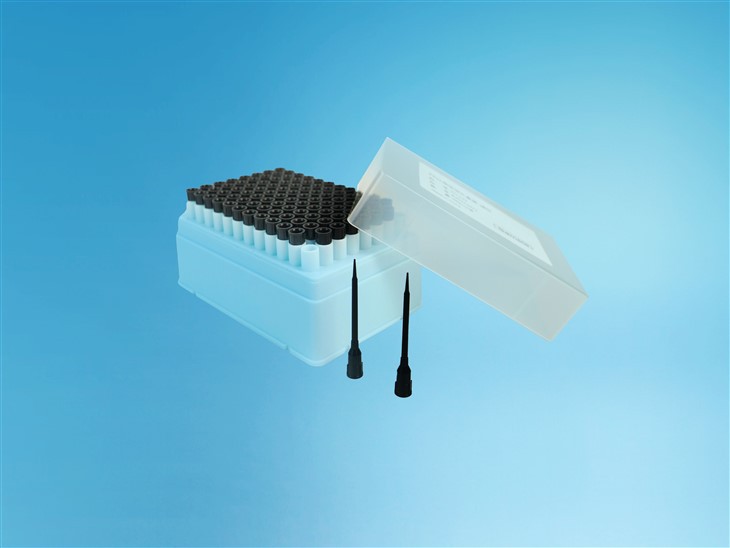
Pipette Tip Disposal

Micro Pipette

Pipette Tips

Filter Tips 20ul

Disposable Pipette Tips
Features and advantages of this product
Precise liquid transfer:
The design of the pipette tip ensures high-precision liquid transfer, which is essential for various experiments in genomics. Whether in genome extraction, PCR amplification or high-throughput sequencing, the accuracy of the tip can ensure the precise measurement of samples and reagents, reduce errors, and ensure the reliability and reproducibility of experimental data.
Reduce cross-contamination:
High-quality pipette tips are made of RNase-free and DNase-free materials to effectively prevent cross-contamination between samples. Especially when dealing with sensitive genomic samples, this design can avoid false positive or false negative results caused by tip contamination, improve the accuracy of the experiment and the credibility of the data.
Compatibility and adaptability:
Modern pipette tip design focuses on compatibility with various brands and models of pipettes to ensure wide applicability. This compatibility allows researchers to freely choose and replace equipment according to experimental needs without worrying about the mismatch between the tip and the pipette, which improves the flexibility of the experiment and the convenience of operation.
High-throughput processing capabilities:
In high-throughput experiments in genomics, such as genome sequencing and large-scale gene expression analysis, the use of automated systems and high-throughput pipette tips can significantly improve the speed and efficiency of sample processing. These tips support rapid, batch liquid transfers, reducing hands-on time and improving overall experimental productivity.
Application of Pipette Tips in Genomics

In the field of genomics, the application of Pipette Tips is crucial, especially in terms of the accuracy and reliability of liquid transfer. Genomic research often involves complex experimental processes, such as genome extraction, PCR amplification, and high-throughput sequencing, all of which require precise liquid operations. High-quality pipette tips can ensure the accuracy of each liquid transfer and reduce errors caused by improper operation. They are usually made of RNase-free and DNase-free materials, which can effectively prevent cross-contamination between samples and ensure the authenticity and reliability of experimental results. This is crucial for handling sensitive genomic samples, as any tiny contamination may affect the final data results.
In addition, the application of pipette tips in high-throughput genomics experiments is also indispensable. In high-throughput experiments, such as large-scale gene expression analysis or genome sequencing, researchers need to handle a large number of samples and reagents. Using highly compatible high-throughput pipette tips can significantly improve the efficiency of sample processing and reduce the time of manual operation. These tips are designed to work with automated systems to support fast and batch liquid transfer, thereby improving the productivity and accuracy of experiments. In short, the superior performance of Pipette Tips provides stable support for precision research in the field of genomics, promoting scientific discovery and technological progress.

FAQ
1: What are the main applications of Pipette Tips in genomic experiments?
Pipette Tips play multiple roles in genomic experiments. The main applications include genome extraction, PCR amplification, genome sequencing and gene expression analysis. In the process of genome extraction, pipette tips are used to accurately transfer samples and reagents to ensure the purity and accuracy of the extraction process. PCR amplification experiments rely on high-precision liquid transfer to ensure the uniformity and success rate of amplification reactions. High-throughput genome sequencing requires the processing of a large number of samples. Pipette tips ensure accurate sample processing and distribution in this process and support efficient automated operations. In gene expression analysis, the accuracy and consistency of the tips are essential for obtaining reliable expression data.
2: How to ensure the accuracy of pipette tips in genomic experiments?
Ensuring the accuracy of pipette tips in genomic experiments mainly depends on several key factors. First, choose high-quality tips to ensure that they meet strict production standards and can provide accurate liquid transfer. Secondly, calibrate and maintain the pipette regularly to ensure that it maintains good performance and accuracy during use. In addition, the use of RNase-free and DNase-free materials can avoid sample contamination, thereby improving the accuracy of the experiment. Using the right tip capacity and model to ensure that it matches the pipette can also help improve transfer accuracy.
3: How does Pipette Tips prevent cross-contamination in genomic experiments?
Pipette tips play an important role in preventing cross-contamination. High-quality tips are usually made of RNase-free and DNase-free materials to reduce potential contamination of samples. At the same time, the use of disposable tips can effectively prevent cross-contamination between different samples. To further avoid contamination, it is recommended to change tips when processing different samples and follow good laboratory practices during operation, such as using sterile techniques and strict laboratory cleaning processes. These measures together ensure the accuracy and reliability of experimental results.
4: How does Pipette Tips improve operational efficiency in high-throughput genomics experiments?
In high-throughput genomics experiments, the efficiency improvement of Pipette Tips is reflected in several aspects. First, high-throughput pipettes and compatible tips can quickly process a large number of samples, significantly reducing hands-on time. High-throughput tips equipped with automated systems support batch transfer and processing, making the experimental process more efficient. Second, these tips are designed to support fast and precise liquid transfer, reducing repetitive operations and human errors. Overall, high-throughput tips improve the overall productivity of experiments by improving sample processing speed and accuracy.
5: What impact does the material of Pipette Tips have on genomic experiments?
The material of Pipette Tips has a direct impact on genomic experiments. High-quality pipette tips usually use RNase-free and DNase-free polypropylene materials to ensure that no exogenous contamination is introduced during the experiment. Polypropylene material is not only resistant to chemical corrosion, but also maintains stability during high-temperature sterilization. Choosing the right material can avoid the reaction of reagents and samples, ensure the purity of the experiment and the reliability of the results. Therefore, the correct material selection is the key to ensuring experimental accuracy and data validity.
6: How to choose Pipette Tips suitable for genomic experiments?
There are several factors to consider when choosing the right Pipette Tips for genomic experiments. First, choose the tip capacity and type that meets the experimental needs, such as microtips for processing small volume samples. Second, ensure the compatibility of the tip with the pipette to ensure the accuracy of liquid transfer. High-quality tips should be made of RNase-free and DNase-free materials to reduce the risk of contamination. The production standards and quality control of the tips should also be considered to ensure their stability and reliability. By comprehensively considering these factors, choosing the right pipette tips can improve the efficiency and accuracy of the experiment.
7: How is the adaptability of Pipette Tips in different genomic applications?
The adaptability of Pipette Tips is crucial to the smooth progress of genomic experiments. Modern pipette tip designs take into account compatibility with multiple brands and models of pipettes to ensure their wide applicability. In different genomic applications, such as PCR amplification, high-throughput sequencing or genome extraction, the tips need to match the relevant experimental equipment and operating procedures. Choosing high-throughput and automation-compatible tips can improve operational efficiency and meet the needs of large-scale sample processing. In addition, the design and material of high-quality tips ensure their stability and reliability under various experimental conditions, thus meeting the needs of different experiments.