


The Crucial Role of Puncture Needle in Medicine and research Procedures
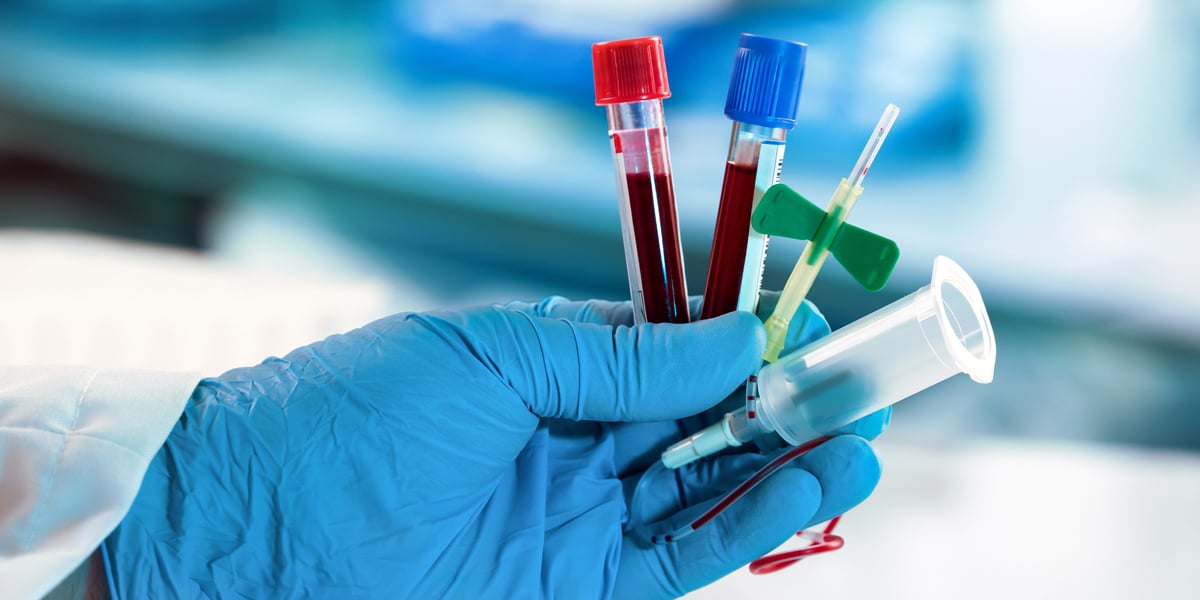
Puncture needles play an important role in medicine and scientific research. They are used to collect blood, tissue or other biological samples for diagnosis, treatment or experimental analysis. In medicine, puncture needles are often used to collect blood samples for various tests, such as blood sugar, blood pathology and genetic analysis. In scientific research, puncture needles are commonly used to take samples from animal models or bioreactors to support disease research, drug development and genetic engineering. Its precise design and operation capabilities ensure accurate sample collection and reliability of experiments, and it is one of the indispensable tools in modern medicine and scientific research.
active members
years experience
events & challenges
expert instructors
In short, puncture needles are not only used to obtain samples from experimental animals or bioreactors, but are also widely used in various stages of biological research and pharmaceutical development. Its precise operation and reliable performance make it one of the key tools to promote medical progress and scientific discovery, and provide important support for solving health challenges and developing new therapies. The following are some puncture needle products:

Spinal Needles
A spinal needle is a medical device used to puncture a patient's spine to obtain spinal fluid or perform medical procedures such as spinal anesthesia.

Puncture Needles
Puncture needles are medical devices designed for various procedures, including injections, aspirations, and fluid drainage.
Anesthesia Spinal Needle
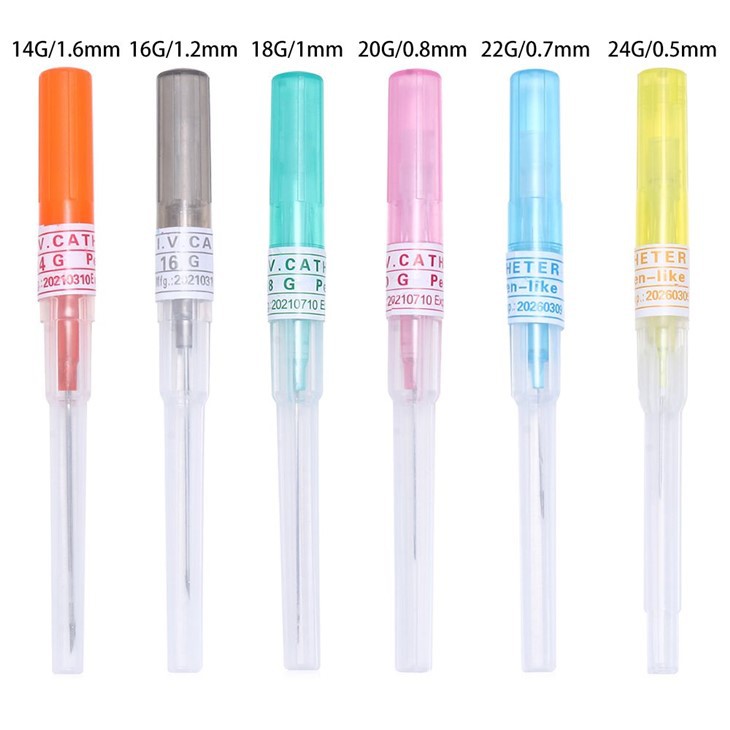
The Anesthesia Spinal Needle is a medical instrument used in regional anesthesia procedures.

Anterior Stromal Puncture Needle
The anterior stromal puncture needle is a medical tool used in ophthalmology for the treatment of recurrent corneal erosions.

Micro Puncture Needle
The Spinal Needles No. 22 is a medical device specifically designed for spinal anesthesia and lumbar puncture procedures.

Needle Puncture
Needle puncture is a medical technique using a thin needle to pierce the skin, allowing for sample collection or drug administration.
These puncture needles are suitable for these areas
Venipuncture:
Puncture needles are widely used in venipuncture, mainly for blood collection, infusion and drug injection. Venipuncture is a common clinical operation. The quality and design of the puncture needle directly affect the success rate of the operation and the comfort of the patient.
Bone marrow puncture:
Bone marrow puncture is an important diagnostic method when diagnosing blood diseases (such as leukemia and anemia). The puncture needle is used to obtain samples from the bone marrow for microscopic examination and laboratory analysis.
Spinal puncture:
Spinal puncture (lumbar puncture) is used to obtain cerebrospinal fluid samples to diagnose central nervous system diseases such as meningitis and multiple sclerosis. The puncture needle must have high precision and low trauma to reduce patient discomfort and complications.

Pain Management

Nerve block:
This method uses a puncture needle to inject local anesthetics around specific nerves to block the transmission of pain signals. It is often used to treat different types of acute and chronic pain, such as postoperative pain, cancer pain, and chronic low back pain. The advantage of this technique is that local anesthetics can quickly act on nerves, reduce pain perception, and thus provide effective pain relief.
Intramedullary injection:
This method uses a puncture needle to inject drugs directly into the spinal cavity. It is used to treat acute pain, severe pain caused by malignant tumors, and other intractable pain. Intramedullary injection drugs can quickly cross the blood-brain barrier and act directly on the central nervous system, so they have the characteristics of rapid onset. This technology is not limited to pain relief, but can also improve the quality of life of patients, especially in the face of severe pain and acute situations that require rapid relief.
Ultrasound-guided puncture:
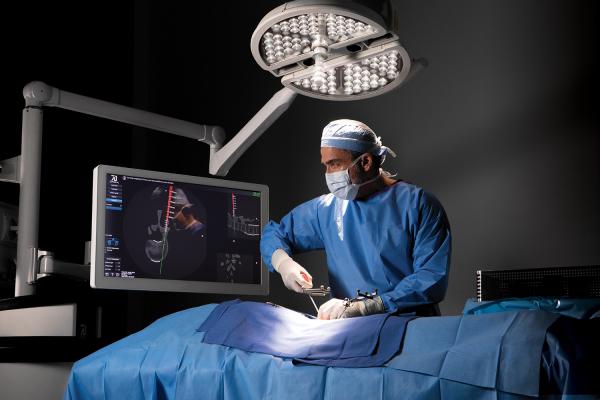
Ultrasound-guided puncture technology is performed by puncture needle under ultrasound imaging, and is commonly used for puncture biopsy of organs such as liver, kidney and thyroid. Ultrasound images can clearly show tissue structure and lesion location, allowing doctors to accurately locate and perform precise puncture, thereby minimizing the risk of damaging surrounding tissues and blood vessels. This technology is particularly suitable for complex areas that need to avoid blood vessels and other important structures, which can significantly reduce the incidence of complications and improve the success rate and safety of puncture operations.
CT-guided puncture:
CT-guided puncture technology uses high-resolution CT images to accurately locate and puncture deep tissues or organs, and is commonly used for biopsy, drainage and interventional treatment. CT images can provide more detailed and clear anatomical information, which is particularly important for cases that require highly precise operations. Doctors can provide real-time guidance under the real-time images of CT scans to ensure accurate placement and operation of the puncture needle, thereby effectively performing treatment or diagnosis. The application range of this technology covers many fields such as tumor treatment, interventional surgery and pain management, providing patients with safer and more effective treatment options.
First aid and critical care
Pneumothorax puncture:
Pneumothorax puncture is a key step in the emergency treatment of pneumothorax. Pneumothorax refers to the difficulty breathing and chest pain caused by excessive gas accumulation in the chest cavity. By inserting the needle tip into the pleural cavity through the puncture needle and releasing the accumulated gas into the external environment, the pressure in the pleural cavity can be quickly reduced, the patient's normal respiratory function can be restored, and the patient's life can be saved.
Central venous catheterization:
Central venous catheterization is one of the common operations in critical care. The puncture needle is used to puncture the internal jugular or subclavian vein and insert a central venous catheter. This catheter is usually used for rapid infusion of large doses of drugs, hemodynamic monitoring, hemodialysis and other important treatment operations. Accurate operation of central venous catheterization is crucial to ensure the rapid and effective delivery of drugs and monitor the patient's hemodynamic status, especially in acute critical conditions.
Maybe you have the following related questions
1: What are puncture needles and what are their primary types used in medical procedures?
Puncture needles, also known as cannulas or catheters, are medical devices designed for accessing body cavities, organs, or vessels to perform diagnostic or therapeutic procedures. They typically consist of a hollow tube with a sharp, pointed tip that allows penetration through tissues with minimal trauma.
Primary types used in medical procedures:
Intravenous (IV) cannulas: Used for accessing veins to administer medications, fluids, or withdraw blood samples.
Arterial catheters: Used for arterial puncture to monitor blood pressure or obtain blood samples for analysis.
Biopsy needles: Include fine needle aspiration (FNA) and core biopsy needles used to obtain tissue samples for diagnostic purposes.
Spinal needles: Used in spinal taps (lumbar punctures) to withdraw cerebrospinal fluid or inject medications.
Epidural needles: Used in epidural anesthesia and pain management.
2: What are the key procedures in medicine where puncture needles are indispensable?
Puncture needles are crucial in various medical procedures due to their versatility and effectiveness in accessing different anatomical sites. Key procedures include:
Venipuncture: Obtaining blood samples for laboratory testing or administering intravenous medications.
Arterial puncture: Essential for blood gas analysis and continuous blood pressure monitoring in critical care settings.
Biopsy procedures: Collecting tissue samples for pathological examination to diagnose cancers or other diseases.
Fluid drainage: Draining excess fluids from body cavities (e.g., pleural effusion, ascites) to relieve symptoms and monitor conditions.
Anesthesia and pain management: Delivering local anesthetics or medications directly to nerves or epidural spaces for pain relief.
3: How does the design of puncture needles impact their functionality and safety in medical procedures?
The design of puncture needles significantly influences their functionality, safety, and usability in medical procedures:
Needle gauge and length: Determines the flow rate, penetration ease, and trauma to tissues during insertion.
Bevel shape: Different shapes (e.g., cutting, pencil-point) affect tissue penetration, sample quality, and procedure efficiency.
Safety features: Modern needles may include retractable or shielded designs to prevent needlestick injuries and enhance patient and healthcare provider safety.
Material composition: High-quality materials ensure sharpness, durability, and compatibility with various medical applications, reducing the risk of breakage or malfunction.
4: What are the technical considerations and challenges healthcare providers face when using puncture needles?
Healthcare providers must navigate several technical considerations and challenges when using puncture needles:
Anatomical variation: Variations in patient anatomy can affect the choice of needle size, insertion angle, and depth.
Infection control: Strict adherence to aseptic technique and proper skin preparation is critical to prevent infections.
Patient comfort: Minimizing pain and discomfort during needle insertion and manipulation is essential for patient compliance and procedural success.
Complications management: Providers must be prepared to manage potential complications such as bleeding, nerve injury, or inadvertent organ puncture.
Skill proficiency: Competency in needle insertion techniques requires ongoing training and experience to ensure procedural accuracy and patient safety.
5: How do puncture needles contribute to advancing medical research and innovation?
Puncture needles play a pivotal role in advancing medical research and innovation through several avenues:
Biomedical research: Enabling collection of biological samples (e.g., blood, tissue) for laboratory analysis, biomarker discovery, and genetic studies.
Drug delivery systems: Facilitating the development and testing of novel drug delivery systems, including targeted therapies and sustained-release formulations.
Device innovation: Supporting the evaluation and improvement of medical devices such as catheters, biopsy tools, and infusion sets in preclinical and clinical studies.
Disease modeling: Essential in animal models and experimental setups to simulate disease conditions, assess treatment efficacy, and study disease mechanisms.
6: What advancements have been made in puncture needle technology to improve patient care and safety?
Advancements in puncture needle technology have focused on enhancing patient care, safety, and procedural outcomes:
Safety-engineered devices: Introduction of retractable or shielded needles to reduce needlestick injuries among healthcare providers.
Guidance technologies: Integration of imaging modalities (e.g., ultrasound, fluoroscopy) for real-time visualization and accurate needle placement.
Improved materials: Use of advanced materials and coatings to enhance sharpness, durability, and biocompatibility, minimizing tissue trauma and infection risks.
Automation and precision: Development of automated biopsy devices and robotic-assisted systems to improve procedural accuracy and patient comfort.
7: What ethical and regulatory considerations surround the use of puncture needles in medical practice and research?
The use of puncture needles in medical practice and research is subject to ethical and regulatory considerations:
Informed consent: Patients must receive comprehensive information about procedures involving puncture needles, potential risks, and benefits before consenting.
Patient safety: Adherence to guidelines and protocols for infection control, needle disposal, and patient monitoring to minimize procedural risks.
Regulatory compliance: Medical devices, including puncture needles, must meet regulatory standards for safety, effectiveness, and quality assurance before clinical use.
Professional competence: Healthcare providers must maintain proficiency in needle insertion techniques through ongoing training and education to ensure patient safety and procedural success.
In summary, puncture needles are indispensable tools in modern medicine and research, enabling essential procedures such as venipuncture, biopsies, and anesthesia administration. Advances in needle design, technology, and safety continue to drive improvements in patient care, treatment outcomes, and biomedical innovation. However, careful consideration of technical, ethical, and regulatory factors is essential to maximize the benefits and mitigate potential risks associated with their use.