


The Crucial Role of Pipette Tips in Biological Laboratory Procedures
Biology:pipette tips are used to transfer small volumes of liquids and suspensions in the laboratory, such as transferring samples for DNA or protein analysis, or to precisely measure out reagents.
Pipette tips play a vital role in biological laboratories. Their role is not limited to simple liquid transfer, but also a key factor in ensuring experimental accuracy and reliability of results. In fields such as molecular biology and cell biology, researchers often need to perform micro-liquid operations, such as PCR, cell culture, protein analysis, etc., which cannot be separated from high-precision pipette tips.
Not only that, the choice of pipette tips is crucial. Different types of experiments require different types of tips to meet their specific needs. For example, for PCR reactions, tips with filters are needed to avoid DNA contamination, while for low surface tension samples, such as protein solutions, low adsorption tips are needed to reduce sample residue and loss, ensuring the accuracy and repeatability of experimental results.
active members
years experience
events & challenges
expert instructors
In short, pipette tips are essential tools in biological laboratories, and their applications are wide and important. They are not only used for liquid transfer, but also play a key role in ensuring the accuracy, reliability and repeatability of experiments. The following is a detailed discussion of the specific applications of pipette tips in biological laboratories and their importance.First of all, these tips are widely used in biological laboratories:

Universal Pipette Tip
The Universal Pipette Tip is a vital tool in laboratories, designed for compatibility with a range of pipettes.

1000μl Pipette Tip For Tecan MCA
1000μl Pipette Tip for Tecan MCA is a pipette tip designed for Tecan MCA (multi-channel automated pipetting workstation) and is suitable for precise pipetting of large-volume samples.

50μl Pipette Tip
50μl pipette tips are commonly used in molecular biology, cell biology and clinical chemistry experiments. They are designed to ensure high precision and reliability in micro-liquid manipulation.

Pipette Tip For Agilent
Agilent special tips are high-precision laboratory consumables designed to work with Agilent brand pipettes. These tips are designed to ensure accurate and reliable liquid handling in a variety of laboratory applications, including molecular biology, cell culture, clinical diagnostics, etc.
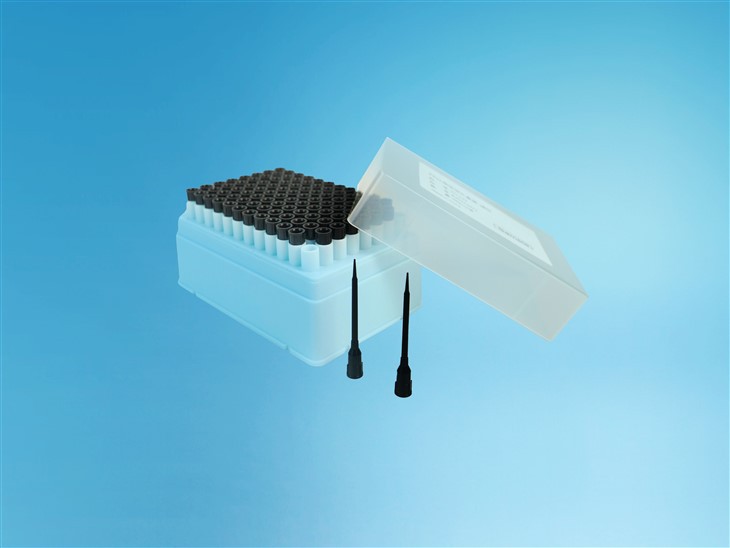
Pipette Tip Disposal
Pipette tip disposal is an essential aspect of laboratory safety and hygiene. After use, pipette tips are disposed of in designated waste containers to prevent contamination and maintain a sterile working environment.

Micro Pipette
Micro pipettes are precision instruments used in laboratories for accurate and controlled liquid transfer. They are designed to handle small volumes of liquids, typically ranging from microliters to milliliters.
Advantages of this product in the field of Molecular Biology
Precision and Accuracy
Consistent Volumes: Pipette tips allow for precise measurement and transfer of liquids, ensuring consistent volumes which are crucial for reproducibility in experiments.
Minimized Human Error: By providing a standardized method for liquid handling, pipette tips reduce the likelihood of human error compared to manual pipetting.
Contamination Control
Sterility: Many pipette tips are available in sterile, single-use formats, significantly reducing the risk of cross-contamination between samples.
Filtered Tips: Filtered pipette tips prevent aerosols and liquids from entering the pipette shaft, offering an additional layer of protection against contamination.
Versatility
Range of Volumes: Pipette tips are available in various sizes, accommodating a wide range of liquid volumes from microliters to milliliters, making them suitable for diverse applications.
Compatibility: They are designed to fit a wide variety of pipettes, including single-channel and multi-channel pipettes, enhancing their versatility in the lab.
Efficiency
Speed: Using pipette tips with automated pipetting systems can significantly speed up the process of liquid handling, which is particularly beneficial in high-throughput settings.
Ease of Use: Pipette tips are user-friendly and can be quickly and easily attached to and ejected from pipettes, streamlining workflows.
Enhanced Experimental Design
Repeatability: The use of standardized pipette tips ensures that experiments can be repeated with minimal variation, which is essential for validating results.
Scalability: Pipette tips facilitate scaling up experiments from small volumes in initial tests to larger volumes in subsequent studies.
Safety
Ergonomics: Using pipette tips with ergonomically designed pipettes reduces the strain on laboratory personnel, decreasing the risk of repetitive strain injuries.
Material Compatibility: High-quality pipette tips are made from materials that do not interact with the liquids being transferred, ensuring chemical compatibility and preventing sample degradation.
these tips are used in these fields
DNA Extraction:Pipette tips play a key role in the DNA extraction process. From sample handling to purification steps, precise pipetting and mixing of reagents are essential to ensure high-purity DNA. Pipette tips can reduce sample loss, prevent cross-contamination, and ensure the success of the extraction process.
RNA Extraction:Similar to DNA extraction, RNA extraction requires highly precise operations. RNA is very easy to degrade, so it needs to be handled quickly and accurately. The use of Pipette tips can effectively avoid contamination and ensure the integrity and purity of RNA samples.

Polymerase Chain Reaction (PCR) and Quantitative PCR (qPCR)

Reaction Component Addition:In PCR and qPCR experiments, Pipette tips are used to accurately add DNA template, primers, nucleotides, enzymes, and buffers. The precise addition of these components is critical to ensure the success of the reaction, because even small volume errors can affect the experimental results.
Sample Aliquoting:High-throughput qPCR experiments require a large number of samples to be dispensed into reaction plates. Pipette tips can ensure that the sample volume in each reaction well is consistent, thereby improving the reproducibility and reliability of the experiment.
Sample loading:Electrophoresis is a key technique for separating and analyzing DNA, RNA, or proteins through the action of an electric field. Sample loading is one of the key steps that affect the experimental results in electrophoresis experiments. Pipette tips are used to accurately load the samples to be analyzed into the gel wells. The consistency of the position and loading volume of each sample is essential for obtaining clear and interpretable electrophoretic profiles. By using precisely calibrated pipettes and tips, scientists can ensure that the amount of sample loaded each time is the same, avoiding experimental bias introduced by uneven loading.
Buffer addition:The correct addition of electrophoresis buffer is essential for the stability and consistency of the electrophoresis process. Pipette tips are not only used to accurately measure and dispense the volume of buffer, but also to ensure uniform mixing of the buffer. By maintaining a constant ionic environment and pH value, the appropriate buffer can effectively maintain the migration rate of molecules in the gel, thereby ensuring the repeatability and accuracy of the experiment. Scientists can rely on pipette tips to avoid buffer waste and unnecessary experimental variation, ensuring that each experiment can run stably and obtain consistent results.
High-throughput screening (HTS)
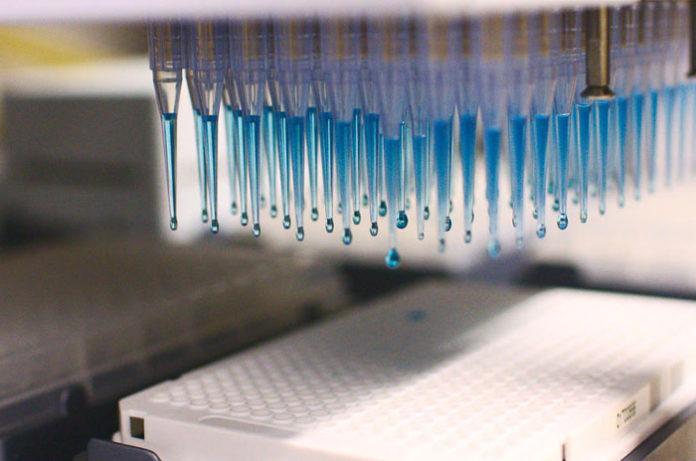
Automated liquid handling: High-throughput screening technology aims to quickly screen a large number of compounds or biomolecules to find compounds or target molecules with specific activities. In this process, the automated liquid handling system combined with Pipette tips can efficiently distribute and move liquids. The high precision of the pipette tips ensures the accuracy of each liquid transfer, avoids errors that may be introduced due to manual operation, and thus ensures the reliability of experimental results.
Multi-sample processing: In HTS, hundreds or thousands of samples often need to be processed simultaneously for efficient drug screening or biological activity analysis. Pipette tips ensure the accuracy and consistency of each pipetting. The design of the pipette tips can accurately measure and dispense trace amounts of liquid, thereby ensuring that each sample receives the same processing conditions and avoiding data deviations caused by uneven liquid distribution. This high degree of automation and precision provides researchers with powerful tools to accelerate the process of new drug discovery and biological science research.
Maybe you still want to know
1. What is the basic role of pipette tips in biological laboratories?
Pipette tips are key tools for liquid transfer. Their main function is to accurately measure and transfer trace amounts of liquids to ensure the accuracy and repeatability of various liquid operations in experiments. In the fields of molecular biology, cell biology, immunology, etc., scientists often need to mix, dilute, and dispense trace samples. The use of pipette tips makes these operations more accurate and efficient.
2. What impact does the design and material selection of pipette tips have on experiments?
The design of pipette tips affects their performance in experiments. For example, the tip shape and inner diameter of the tip directly affect the speed of liquid absorption and discharge, which is especially critical for micro-operations. Material selection affects its chemical inertness and biocompatibility, avoiding reactions or contamination between the tip material and the experimental sample, thereby ensuring the reliability and accuracy of the experimental data.
3. Under what circumstances do you need to use filter tips?
Filter tips are usually used to process specific samples or reagents, such as experiments that require the protection of cells or sensitive substances such as RNA/DNA. They prevent samples from being contaminated or damaged during the pipetting process and ensure the purity and accuracy of liquid transfer. In molecular biology, especially in experiments such as PCR, cell culture, and RNA processing, the use of filter tips is very common.
4. Why is the calibration and maintenance of pipette tips important?
The accuracy of pipette tips directly affects the credibility of experimental data. Calibration ensures accurate liquid volume measurement under various operating conditions, while maintenance extends the service life of the tips and reduces errors in experiments. Scientists must calibrate and maintain pipettes regularly to ensure stable performance and precise operation.
5. How to choose the right type of pipette tip?
The type of pipette tip should be selected based on experimental needs and operating methods. For example, for micro-volume operations, micro-tips with a small volume range are required; for high-throughput experiments, tips compatible with automated systems should be selected; and for specific sample types, such as viscous or corrosive liquids, specially designed or chemically resistant tips are required.
6. How does the application of pipette tips in high-throughput screening improve efficiency?
In high-throughput screening (HTS) experiments, a large number of samples and reagents need to be processed. The high precision of pipette tips and the use of automated liquid handling systems significantly improve the efficiency of experiments and the reliability of data. The rapid liquid transfer capability and consistent liquid distribution of the tips ensure that each sample receives the same treatment conditions, thereby accelerating the process of drug screening and biological activity analysis.
7. What are the common problems and solutions that pipette tips may encounter in biological laboratories?
Common problems include tip blockage, liquid residue, inconsistent volume, etc. Blockage may be caused by particles or sediments in the sample. Solutions include using filter tips or cleaning the tips regularly. Liquid residue can be reduced by proper tip design and operating techniques, while inconsistent volume usually requires calibration and adjustment of the tips.