








Deep Well Plate

What Is Deep Well Plate?
A Deep Well Plate is a laboratory consumable made of plastic with multiple deep and narrow cylindrical wells. Common in life science labs, it is designed for the storage, processing, and analysis of liquid samples. Deep Well Plates are crucial tools for high-throughput experiments and sample management, providing a platform for efficient liquid handling and experimentation in various research applications. The wells are often arranged in standard formats, making them compatible with automated liquid handling systems for increased experimental throughput.
high
quality
Advanced
Equipment
Professional
Team
One-Stop
Solution


What is the use of deep well plate?
Deep well plates are used for a wide variety of laboratory tasks, including cell culture, microbiology, molecular biology, and biochemical applications. They are made from polypropylene or polystyrene and have a deep, cylindrical well with a flat bottom. The wells are typically configured in a 96-Well Deep Well Plates, 384-Well Deep Well Plates, or 1536-Well Deep Well Plates format, so they can be used to store different types of samples in a small area. Deep well plates are ideal for applications that require large volumes of liquid in a single well, such as storing cells, culture media, and reagents. They are also ideal for sample preparation, such as drug screening, protein crystallization, and ELISA assays. Deep well plates can also be used to perform PCR and other related molecular biology techniques. The flat bottom of the plate ensures that the liquid remains in the well, while the walls of the well prevent cross-contamination. Deep well plates are also resistant to most chemicals, making them ideal for a wide range of applications.
High-Throughput Sample Storage:
Deep Well Plates are widely used for high-throughput sample storage in laboratory settings. The plates feature multiple deep wells, allowing researchers to store a large number of samples simultaneously. This is particularly valuable in applications such as biobanking, where numerous biological samples need to be stored for future analysis. The plates are often made of chemically inert materials, ensuring the integrity of stored samples over extended periods.
Liquid Handling and Automation:
One of the primary uses of Deep Well Plates is in liquid handling procedures and laboratory automation. The wells in these plates are designed to accommodate robotic liquid handling systems, facilitating the automated processing of samples. This is crucial in high-throughput screening assays, where efficiency and precision are paramount. The standardized well formats enable seamless integration with liquid handling workstations, enhancing the reproducibility of experiments.
Sample Processing for Molecular Biology:
Deep Well Plates find extensive application in molecular biology experiments. They are used for various processes such as DNA extraction, PCR (Polymerase Chain Reaction), and nucleic acid purification. The deep wells allow for the efficient mixing and processing of reagents and samples. Researchers can perform these processes in parallel for multiple samples, making Deep Well Plates an essential tool in genomics research and molecular diagnostics.
Cell Culture and Drug Discovery:
In cell biology and drug discovery, Deep Well Plates serve as valuable tools for cell culture and compound screening. The wells provide a conducive environment for growing cells and conducting experiments on a larger scale. The plates are used in high-throughput screening of drug candidates, allowing researchers to test the effects of various compounds on cells efficiently. The versatility of Deep Well Plates makes them indispensable in drug development workflows, aiding in the identification of potential therapeutic agents.


Our Product Development Team
Cross-Disciplinary Expertise:
Our Product Development Team boasts a diverse and dynamic mix of talents, bringing together experts from various fields such as engineering, biology, software development, and materials science. This cross-disciplinary approach fosters innovative thinking and allows us to tackle complex projects with a holistic perspective.
Agile and Adaptive:
With an agile mindset, our team thrives in an ever-evolving technological landscape. We embrace change, respond to feedback swiftly, and adapt our strategies to meet the dynamic demands of the market. This flexibility ensures that our products remain at the forefront of innovation.
Customer-Centric Innovation:
Our R&D team is driven by a customer-centric ethos, placing the needs and expectations of our clients at the core of the innovation process. By actively engaging with end-users and incorporating their insights, we ensure that our products not only meet but exceed customer expectations.
Emphasis on Research:
Our team is deeply committed to continuous research and development. We invest in exploring emerging technologies, staying abreast of industry trends, and conducting thorough market research. This dedication to research empowers us to pioneer groundbreaking solutions and stay ahead in a competitive landscape.
Collaborative Culture:
Collaboration is the heartbeat of our R&D endeavors. Our team thrives on open communication, idea-sharing, and collaborative problem-solving. This synergistic environment fosters creativity and accelerates the development of cutting-edge products through the collective expertise of our talented individuals.
Results-Driven Innovation:
Above all, our Product Development Team is results-driven. We set ambitious goals, track progress meticulously, and measure success by the real-world impact of our innovations. This commitment to tangible outcomes ensures that our products not only meet industry standards but redefine them.


our company
Company Profile:
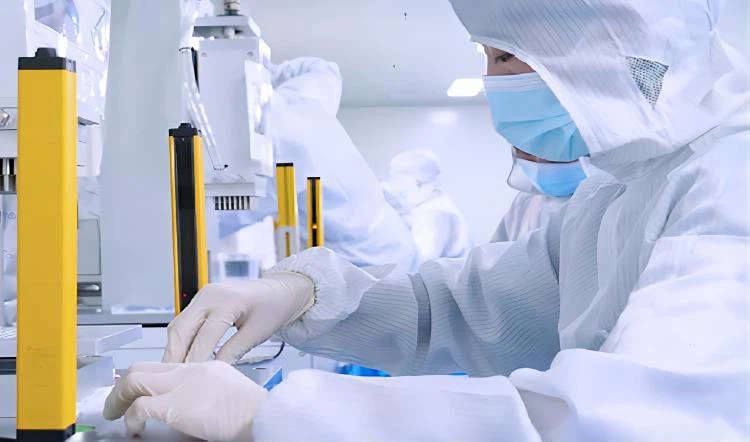
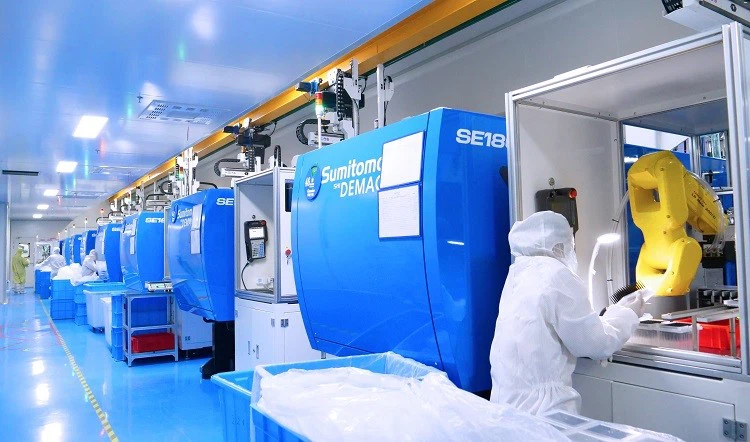
Our company is committed to the R&D, manufacturing, sales and service of consumables in the fields of life sciences and clinical diagnosis; special process equipment, optical testing systems, systems that simulate the stability impact of special circumstances, and multiple automated developments for different products and application scenarios. , a variety of testing instruments have been developed to monitor and measure the quality of different products.
high
quality
Advanced
Equipment
Professional
Team
One-Stop
Solution
high quality
advanced equipment
professional team
global shipping
Exhibition Information
Our company actively participates in multiple industry exhibitions at home and abroad and has achieved remarkable results. Through the exhibition platform, we have successfully attracted many customers and established strategic partnerships with big brands. This not only expands market share, but also strengthens the company's influence in the industry and lays a solid foundation for business development.


FAQ:
1. What is the primary material used in the construction of Deep Well Plates, and why is it chosen for laboratory applications?
2. How are the wells in Deep Well Plates designed, and what purpose do they serve in sample storage and processing?
3. In which laboratory settings are Deep Well Plates commonly used, and what makes them particularly suitable for these environments?
4. How do Deep Well Plates contribute to high-throughput experiments, and what advantages do they offer in terms of experimental efficiency?
5. What role do Deep Well Plates play in sample analysis, and how do they facilitate this process in the laboratory?
6. Can you elaborate on the compatibility of Deep Well Plates with automated liquid handling systems and how this compatibility benefits laboratory workflows?
7. How do Deep Well Plates contribute to sample storage, and what features make them suitable for long-term sample preservation?
8. What considerations should be taken into account when selecting Deep Well Plates for specific research applications?
9. Can Deep Well Plates be used in conjunction with other laboratory consumables, and how do they integrate into a broader experimental setup?
10. What future developments or advancements can be expected in the design and functionality of Deep Well Plates to further enhance their utility in life science laboratories?
As one of the most professional deep well plate manufacturers and suppliers in China, we're featured by quality products and good service. Please rest assured to wholesale custom made deep well plate at competitive price from our factory.
U Bottom 96 Deep Well Plate, 2 2ml deep well plate, Round well U bottom deep well plate