


PCR (Polymerase Chain Reaction) tubes in clinical diagnostics

PCR tubes are essential in clinical diagnostics, facilitating the amplification and analysis of DNA and RNA. These tubes are constructed from thin-walled plastic to endure the rapid thermal changes during PCR processes, ensuring accurate and consistent outcomes. In clinical laboratories, PCR tubes play a pivotal role in diverse diagnostic applications. They are instrumental in identifying infectious diseases by detecting specific pathogens through PCR amplification of their genetic material.
Moreover, PCR tubes enable genetic screening to identify mutations associated with inherited disorders, aiding in early disease detection and personalized treatment strategies. Their versatility extends to applications in oncology, where PCR is used for tumor profiling and monitoring treatment efficacy. Overall, PCR tubes are indispensable tools in clinical settings, supporting precise and efficient molecular diagnostics across a broad spectrum of medical conditions.
Overall, PCR tubes are indispensable tools in clinical settings, supporting accurate and efficient molecular diagnostics for a wide range of medical conditions. Their design and material selection ensure temperature stability and reaction consistency during the PCR process, providing a reliable experimental platform for clinical laboratories. The following are some of the PCR tubes:
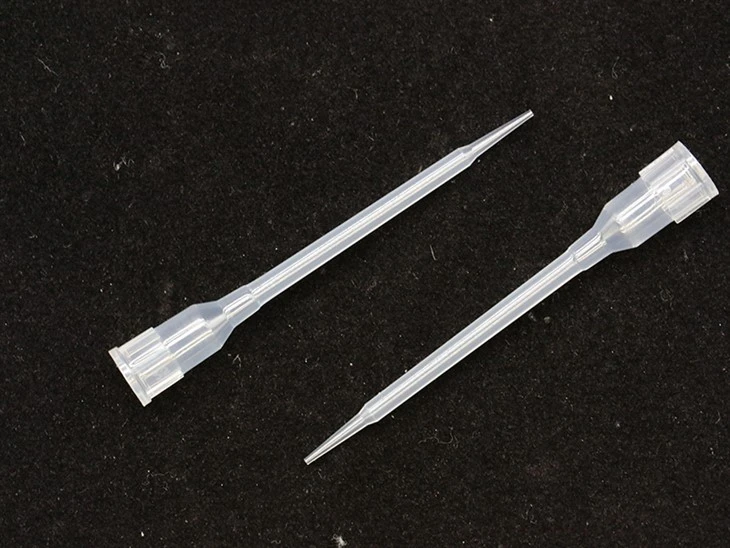
Sterile Pcr Tube Strips
In the field of molecular biology, PCR (polymerase chain reaction) is a crucial technique for amplifying DNA segments and analyzing genetic data.

Reaction Strip Tube
Reaction strip tubes are a common lab tool in the field of molecular biology, used to facilitate high-throughput processing for applications such as PCR and qPCR.

Genemate Pcr Tubes
GeneMate PCR tubes are a must-have for any molecular biology lab that conducts polymerase chain reaction experiments.

Pcr Reaction Tube
A PCR reaction tube, also known as a PCR tube or PCR microcentrifuge tube, is a small plastic tube designed for use in the polymerase chain reaction (PCR) technique.

PCR tube flat caps
PCR tube flat caps are an essential component of any laboratory conducting PCR reactions.

Rt Pcr Strips
RT-PCR strips are an essential tool for reverse transcription and PCR in one easy step. These strips are designed with multiple wells that enable fast and efficient processing of RNA samples.
Advantages of this product in the field of Clinical Diagnostics
Precision and Accuracy
Consistent Results: PCR tubes provide a controlled environment for the amplification of DNA and RNA, ensuring precise and accurate results.
Reduced Contamination: The use of high-quality, sterile PCR tubes minimizes the risk of contamination, which is crucial for obtaining reliable diagnostic outcomes.
Compatibility
Wide Range of Thermocyclers: PCR tubes are designed to be compatible with a variety of thermocyclers, allowing for flexibility in choosing and using different PCR instruments.
Various Formats: Available in different sizes (e.g., 0.2 mL, 0.5 mL), PCR tubes can accommodate different volumes of reagents, making them suitable for various types of PCR assays.
Efficiency and Speed
Rapid Heating and Cooling: The thin walls of PCR tubes ensure efficient thermal transfer, allowing for rapid heating and cooling cycles, which speeds up the PCR process.
Quick Setup: PCR tubes are easy to handle and set up, enabling quick preparation of multiple samples, which is essential in clinical settings where time is critical.
Versatility
Broad Application: PCR tubes can be used for various types of PCR techniques, including standard PCR, quantitative PCR (qPCR), reverse transcription PCR (RT-PCR), and multiplex PCR, supporting a wide range of diagnostic applications.
Different Sample Types: Suitable for amplifying DNA/RNA from various clinical samples such as blood, tissue, saliva, and swabs.
Enhanced Data Integrity
Reproducibility: Using standardized PCR tubes ensures reproducibility of results across different tests and laboratories, which is vital for clinical diagnostics.
Traceability: Many PCR tubes can be labeled or barcoded, enhancing sample traceability and data management, which is crucial for maintaining accurate patient records.
Safety and Ergonomics
User-Friendly: Ergonomically designed PCR tubes are easy to handle and reduce the risk of repetitive strain injuries for laboratory personnel.
Secure Sealing: PCR tubes often come with secure caps or strips that prevent evaporation and leakage, maintaining the integrity of the samples and reducing the risk of exposure to potentially infectious materials.
These Tips Are Used In These Fields
PCR-based assays are highly sensitive and specific, allowing for the detection of viral, bacterial, and fungal pathogens even at very low concentrations. For instance, during the COVID-19 pandemic, PCR tubes were used extensively for SARS-CoV-2 testing. In these tests, patient samples (such as nasopharyngeal swabs) are placed in PCR tubes with reagents that facilitate the reverse transcription of viral RNA into DNA, followed by amplification. The high-throughput nature of PCR allows for the simultaneous testing of multiple samples, which is crucial for managing large-scale outbreaks.

Genetic Screening and Mutation Detection

PCR tubes are essential for genetic screening and the detection of genetic mutations. These applications are crucial for diagnosing hereditary conditions, identifying carriers of genetic disorders, and guiding treatment decisions. For example, PCR-based tests can identify mutations in the BRCA1 and BRCA2 genes, which are associated with a higher risk of breast and ovarian cancers. By placing patient DNA samples in PCR tubes and amplifying the regions of interest, clinicians can detect specific genetic alterations. This information is invaluable for risk assessment, early intervention, and personalized treatment planning.
Quantitative PCR (qPCR), also known as real-time PCR, is another critical application of PCR tubes in clinical diagnostics. qPCR not only amplifies DNA but also quantifies the amount of target nucleic acid in real-time. This is particularly important for monitoring viral load in patients with chronic viral infections such as HIV, hepatitis B, and hepatitis C. By using qPCR tubes, clinicians can measure the amount of viral RNA in a patient's blood, which helps assess the severity of the infection, monitor the effectiveness of antiviral therapy, and make informed decisions about treatment adjustments.

Pharmacogenomics and Personalized Medicine

PCR tubes play a significant role in pharmacogenomics, the study of how genes affect a person's response to drugs. This field is a cornerstone of personalized medicine, which aims to tailor medical treatment to individual genetic profiles. By using PCR tubes to amplify and analyze specific genetic markers, clinicians can predict how patients will respond to certain medications. For example, PCR-based tests can identify polymorphisms in the CYP450 genes, which influence drug metabolism. This information allows for the optimization of drug choice and dosage, minimizing adverse effects and enhancing therapeutic efficacy.
Maybe you still want to know
1.Why are PCR tubes essential in clinical diagnostics?
PCR (Polymerase Chain Reaction) tubes are small, thin-walled plastic tubes specifically designed to hold samples during the PCR process. The primary function of these tubes is to facilitate the thermal cycling required to amplify DNA or RNA sequences. PCR tubes are essential in clinical diagnostics for several reasons:
Thermal Conductivity: The thin walls of PCR tubes ensure efficient heat transfer during the rapid temperature changes involved in PCR, which is critical for the denaturation, annealing, and extension steps of the reaction.
Sample Integrity: They are made from materials that are resistant to the chemicals used in PCR reactions, ensuring that the samples remain uncontaminated and that the results are reliable.
Volume Precision: These tubes are designed to hold small volumes of liquid (usually 0.2 mL or 0.5 mL), which is ideal for the precise nature of PCR reactions.
In clinical diagnostics, the ability to accurately and efficiently amplify genetic material is crucial for a wide range of applications, including detecting infectious diseases, genetic screening, and personalized medicine. PCR tubes are therefore foundational components in the workflow of clinical laboratories.
2. How are PCR tubes used in the detection of infectious diseases?
PCR tubes are used extensively in the detection of infectious diseases due to their role in amplifying pathogen-specific DNA or RNA sequences. The process typically involves the following steps:
Sample Collection: Clinical samples (e.g., blood, saliva, swabs) are collected from patients.
Nucleic Acid Extraction: DNA or RNA is extracted from the collected samples.
PCR Setup: The extracted nucleic acids are mixed with PCR reagents (including primers specific to the pathogen, nucleotides, polymerase enzyme, and buffer) and placed into PCR tubes.
Thermal Cycling: The PCR tubes are then subjected to thermal cycling, where they undergo repeated cycles of heating and cooling to amplify the target genetic sequences.
Detection: After amplification, the presence of the pathogen can be detected using various methods, such as gel electrophoresis, real-time PCR (qPCR), or next-generation sequencing (NGS).
This process allows for the rapid and accurate detection of pathogens like viruses (e.g., SARS-CoV-2, HIV), bacteria (e.g., Mycobacterium tuberculosis), and other microorganisms, facilitating timely diagnosis and treatment.
3. What role do PCR tubes play in genetic screening and personalized medicine?
PCR tubes are crucial in genetic screening and personalized medicine because they enable the amplification of specific genetic regions that can be analyzed for mutations or variations. This capability has several applications:
Genetic Screening: PCR is used to detect genetic mutations associated with inherited disorders (e.g., cystic fibrosis, sickle cell anemia). By amplifying specific regions of the genome and analyzing them for known mutations, clinicians can diagnose genetic conditions or identify carriers.
Pharmacogenomics: In personalized medicine, PCR can identify genetic variations that affect how an individual metabolizes drugs. This information helps in tailoring drug prescriptions to optimize efficacy and minimize adverse effects.
Cancer Genomics: PCR tubes are used to amplify and analyze oncogenes and tumor suppressor genes, providing information on the genetic basis of a patient's cancer. This aids in selecting targeted therapies that are more likely to be effective.
In each of these applications, PCR tubes provide the necessary environment for precise and efficient DNA amplification, which is the cornerstone of genetic analysis and personalized treatment planning.
4. How do PCR tubes contribute to the accuracy and reliability of diagnostic tests?
The design and quality of PCR tubes significantly contribute to the accuracy and reliability of diagnostic tests in several ways:
Contamination Prevention: High-quality PCR tubes are manufactured to minimize contamination risks. Some tubes come with attached caps that seal tightly, preventing the entry of contaminants and the evaporation of the sample.
Thermal Stability: The materials used in PCR tubes are selected for their ability to withstand rapid temperature changes without deforming. This ensures consistent heat distribution and reliable amplification results.
Uniform Wall Thickness: Consistency in wall thickness ensures uniform thermal conductivity, which is critical for the reproducibility of PCR results. Uneven walls can lead to variations in temperature within the tube, affecting the efficiency of the PCR reaction.
Optical Clarity: For real-time PCR applications, tubes must be optically clear to allow accurate fluorescence detection. This clarity ensures precise measurement of DNA amplification in real-time.
By maintaining sample integrity and ensuring consistent reaction conditions, PCR tubes play a vital role in delivering accurate and reliable diagnostic results.
5. What are the key features to consider when selecting PCR tubes for clinical diagnostics?
When selecting PCR tubes for clinical diagnostics, several key features should be considered:
Material: PCR tubes are typically made from polypropylene, which is resistant to the chemicals used in PCR and can withstand the temperature changes during thermal cycling.
Volume Capacity: The volume capacity of PCR tubes (commonly 0.2 mL or 0.5 mL) should match the requirements of the specific PCR assay being performed.
Cap Design: Tubes with attached caps provide a secure seal to prevent contamination and evaporation. Some caps are designed for easy opening and closing, which is useful in high-throughput settings.
Compatibility: The tubes should be compatible with the PCR thermocycler being used. Some PCR machines require specific tube formats (e.g., strip tubes, 96-well plates).
Optical Clarity: For real-time PCR, optically clear tubes are essential for accurate fluorescence detection.
Sterility: Pre-sterilized tubes reduce the risk of contamination and are preferred for clinical diagnostics.
Choosing the right PCR tubes ensures optimal performance of PCR assays, leading to accurate and reliable diagnostic outcomes.
6. How has the development of PCR tubes impacted the field of clinical diagnostics?
The development of high-quality PCR tubes has had a significant impact on the field of clinical diagnostics:
Increased Accuracy: Improved materials and manufacturing processes have enhanced the accuracy of PCR tests by reducing contamination and ensuring consistent thermal cycling.
High-Throughput Testing: The availability of PCR tubes in various formats (e.g., strip tubes, 96-well plates) has facilitated high-throughput testing, enabling the simultaneous analysis of numerous samples and increasing diagnostic capacity.
Real-Time Monitoring: The development of optically clear PCR tubes has enabled the widespread use of real-time PCR (qPCR), allowing for the real-time monitoring of DNA amplification and providing quantitative data on pathogen load or gene expression levels.
Point-of-Care Diagnostics: Advances in PCR tube design have contributed to the miniaturization and portability of PCR equipment, making it feasible to conduct PCR tests at the point of care. This has been particularly valuable during outbreaks of infectious diseases, such as COVID-19, where rapid and on-site testing is crucial.
Overall, the evolution of PCR tubes has enhanced the efficiency, accuracy, and accessibility of PCR-based diagnostics, contributing to improved patient care and public health outcomes.