






In the laboratory, pipette tips are inconspicuous but play a vital role. They are not only related to the accuracy of the experiment, but also directly affect the reliability of the research results. Whether it is genetic analysis, chemical reaction or clinical diagnosis, the correct choice of tips can ensure the accurate transfer of every drop of liquid to avoid errors and contamination. The seemingly simple tips actually hide many professional selection skills and usage methods. Mastering these knowledge will help improve the efficiency of the experiment and the accuracy of the results. So, how to choose a pipette tip that suits your experimental needs? This article will take you to a deep understanding of pipette tips to help you feel at ease in the laboratory.

Introduction
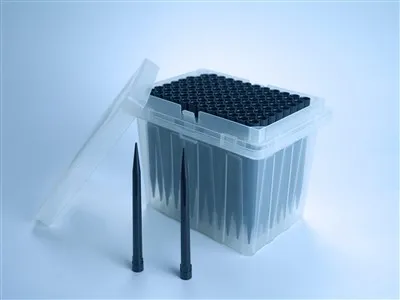
Pipette Tip is a laboratory consumable used with a pipette, mainly used for accurate aspiration and transfer of liquid samples. It usually has good chemical stability and transparency, which can prevent the liquid from directly contacting the pipette itself, thereby avoiding contamination of the sample and ensuring the accuracy of the experiment. The design of the pipette tip usually includes a small tip that can adapt to pipettes of different capacities and specifications, and prevent liquid leakage through a close fit. According to different experimental requirements, pipette tips are available in a variety of sizes and types, suitable for many fields such as biology, chemistry, and medicine.
1.2 Core Functions
The core function of a pipette tip is to accurately absorb and transfer liquids. It works closely with the pipette to ensure that the liquid does not leak or contaminate during the absorption and release process. The design of the tip ensures accurate measurement and transfer of liquids and avoids contamination of samples by the external environment. In addition, the pipette tip also has the function of preventing cross contamination, especially when conducting high-precision experiments, it can effectively avoid the mutual influence between different samples. In short, the core function of a pipette tip is to provide a precise, safe, and pollution-free liquid transfer tool, thereby ensuring the accuracy and reliability of experimental results.
Core content

Classification by function
Standard tips: Universal design, suitable for conventional liquid transfer, strong compatibility, low cost.
Filter Tips: Built-in physical or chemical filter element, can block aerosol, liquid splash and cross contamination, suitable for PCR, virology and other experiments sensitive to contamination.
Low Retention Tips: Reduce liquid residue through surface modification or special geometric design, suitable for high viscosity or low surface tension liquids, to ensure accurate transfer of trace samples.
Wide Orifice Tips: Large-caliber design reduces liquid flow resistance and reduces shear damage to fragile samples.
Efficiency leap Precision and stability
2.2 Manufacturing and selection criteria

Quality control
Sterility certification: Suitable for sterile experiments such as cell culture and microbiology.
DNA/RNA enzyme-free: Avoid contamination risks in nucleic acid experiments.
Endotoxin-free: Ensure that biological samples are not interfered by endotoxins.
Selection criteria
Compatibility: Need to match the geometric parameters (such as caliber and taper) of the pipette brand and model.
Volatile liquids: Choose a pipette tip with stronger sealing to reduce liquid evaporation loss.
Biological hazard samples: Anti-contamination design is required to prevent sample leakage or operator exposure risks.
High-precision scenarios: Prefer low-adsorption pipette tips or disposable sterilized pipette tips to reduce system errors.

Application and cases
3.1 Typical application scenarios
Molecular biology research
In molecular biology experiments, pipette tips are often used to accurately transfer samples such as DNA, RNA, enzymes, and buffers. Since these experiments have extremely strict requirements on the amount of liquid, the accuracy and anti-contamination properties of pipette tips are crucial. Tips can avoid cross-contamination between different samples and ensure the accuracy of experimental results. They are widely used in technologies such as PCR, gene cloning, and RT-qPCR.
Chemical analysis
In chemical analysis, pipette tips are used to accurately measure various chemical solutions, reagents, and standard solutions. Since chemical experiments have very precise requirements on liquid volume, tips can ensure the accurate preparation of the reaction system. The material of the tip usually has good chemical stability and can adapt to different types of chemicals to avoid errors caused by the reaction of the tip material.
Clinical diagnosis
In clinical diagnostic experiments, pipette tips are often used to transfer samples such as blood, urine, and body fluids. These samples usually require high-precision liquid transfer tools to ensure the accuracy of the test. The anti-contamination and sterile design of the tip can effectively avoid cross-contamination between samples and ensure the reliability of diagnostic results. It is widely used in blood analysis, immunoassay and other fields.
Environmental Monitoring
In environmental monitoring, pipette tips are used to sample pollutants in water, air or soil. Since environmental samples usually require very precise liquid sampling, the accuracy of the tip is particularly important. It can avoid sample loss or contamination during transfer and ensure the accuracy of the analysis results. It is widely used in environmental fields such as water quality testing and soil analysis.
3.2 Operational skills and misunderstandings
Operation tips:
- Properly install the pipette tip:Ensure that the pipette tip is tightly installed on the pipette to avoid looseness and ensure the accuracy of liquid transfer.
- Pre-wet the pipette tip:First, aspirate a small amount of solution and discharge it to reduce the surface tension of the inner wall of the pipette tip and avoid liquid loss.
- Avoid violent stirring:Avoid rapid up and down movement during operation to prevent bubbles or liquid splashing and ensure accurate suction.
- Vertical operation:Keep the pipette perpendicular to the liquid surface to avoid angle tilt and reduce suction errors.
- Slow liquid discharge:Release the liquid slowly to ensure that all liquid is completely discharged from the pipette tip.
Common misunderstandings:
- Reuse the pipette tip:Do not reuse the pipette tip to avoid cross contamination and affect the experimental results.
- Mismatched tip specifications:Using inappropriate pipette tips may cause liquid leakage or unstable connection, and should ensure matching.
- Ignore contamination control:Avoid using contaminated or unsterilized pipette tips, especially during aseptic operation.
- Excessive pressure on the aspiration button:Avoid pressing the aspiration button too hard to prevent air from entering the pipette tip and affecting the accuracy of aspiration.
- Rapid aspiration and drainage:Avoid rapid aspiration and drainage. The operation should be steady and slow to ensure the correct amount of liquid.
Although small, pipette tips play a "big role" in the laboratory. They not only ensure the accuracy and efficiency of liquid transfer, but also avoid cross-contamination, providing reliable protection for experiments. From genetic analysis in molecular biology to the precise preparation of chemical reactions, pipette tips are everywhere. Choosing the right tip is like finding the right "partner" for the experiment, ensuring that every step of the operation is impeccable. Whether you are a scientific researcher or a novice in the laboratory, mastering the correct tip usage skills and avoiding common misunderstandings can make the experiment more efficient. The precision and carefulness of the pipette tip are the invisible driving force for the success of the experiment, and are the indispensable little heroes in the laboratory.