





The pipette is an indispensable precision tool in biological and chemical laboratories, used to accurately measure and transfer trace amounts of liquid. Its core component, the pipette tip, is the part that directly contacts the sample, which not only affects the accuracy of pipetting, but may also introduce contamination or cross-interference. In experimental operations, it is crucial to keep the pipette tip clean, because residual reagents, microorganisms or impurities may interfere with experimental results and even lead to false positives or false negatives. Especially in molecular biology, cell culture or high-sensitivity detection, tiny contamination may also be amplified, causing data deviation or experimental failure. So, why is it necessary to ensure that the pipette tip is clean? How does this link affect the reliability and repeatability of the experiment? This article will discuss this issue.
Content
3. Impact on Experimental Results
4. Methods of Cleaning Pipette Tips
1. Role of Pipette Tips
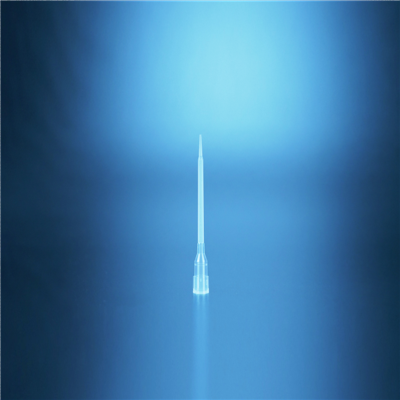
Pipette tips are key consumables in precision liquid operations, and are mainly used to accurately absorb, transfer, and dispense trace amounts of liquid. In experiments such as molecular biology, cell culture, and clinical testing, the tips are in direct contact with samples and reagents, and their performance directly affects the accuracy and repeatability of the experiment. High-quality tips can ensure that the pipette is airtight and avoid liquid residue or volume errors, which is especially critical when conducting experiments such as PCR, ELISA, or high-throughput sequencing that require extremely high precision. In addition, the tips can effectively prevent cross-contamination and avoid mutual interference between different samples. Disposable sterile tips can reduce the risk of microbial contamination and ensure the reliability of experimental data. Therefore, choosing the right tips and keeping them clean and pollution-free is an important guarantee for the success of the experiment.

-
Standard pipette tip - general use
-
Low adsorption pipette tip - can reduce residue
-
Filter pipette tip - can prevent aerosol
-
Long pipette tip - suitable for deep holes
-
Wide mouth pipette tip - for viscous liquids
-
Sterile pipette tip - can achieve pollution-free operation
-
Conductive pipette tip - prevent static interference
2. Risks of Contamination
Pipette tip contamination is a common but easily overlooked major risk source in the laboratory. Its hazards are mainly reflected in: first, trace residues can lead to serious cross-contamination. For example, in qPCR experiments, a very small amount of DNA aerosol can cause false positives and make the entire test invalid; second, the residues of protein or enzyme preparations will interfere with the subsequent reaction system and significantly change the enzyme kinetic parameters; third, microbial contamination may destroy the purity of cell culture and drug screening results. What's more serious is that this contamination has a cumulative effect-reused tips will contaminate the internal components of the pipette, forming a continuous source of contamination. In addition, the residues of certain toxic compounds (such as sodium azide) or radioactive substances will directly endanger the safety of operators. Therefore, establishing a strict tip replacement system and using filter tips are basic requirements to ensure the reliability of experimental results and laboratory safety.
3. Impact on Experimental Results
Using unclean pipette tips will seriously affect the precision and accuracy of experimental results, leading to data deviation and even wrong conclusions. It will also significantly increase experimental costs, including reagent waste and additional expenses for repeated experiments. It is more likely to endanger the safety of experimental personnel and cause the risk of exposure to pathogens or harmful substances. In the long run, it will also pollute the laboratory environment and affect the overall research quality. Therefore, the standardized use of clean pipette tips is a basic requirement to ensure the reliability, economy and safety of experiments.
4. Methods of Cleaning Pipette Tips
- Pretreatment: Check the integrity of the packaging after unpacking the new pipette tip to ensure that it is free of contamination.
- Ultrasonic cleaning: Ultrasonic treatment with deionized water for 5-10 minutes to remove particulate impurities.
- Chemical cleaning: Soak in 75% ethanol or 1% NaOH to kill microorganisms and dissolve organic matter.
- Rinse: Rinse repeatedly with ultrapure water 3 times to thoroughly remove the detergent residue.
- Drying: Dry in a 70℃ oven or dry with sterile air to avoid water stains affecting accuracy.
- Sterilization: Sterilize with high-pressure steam at 121℃ for 20 minutes, or use gamma ray irradiation.
- Storage: Seal in a sterile container to avoid secondary contamination.
(Note: It is recommended to replace disposable pipette tips directly to avoid cleaning affecting performance)
5. Good Laboratory Practices
Standardized use of pipette tips is a core requirement of good laboratory practice (GLP) and is essential to ensure the reliability and repeatability of experimental data. Strict implementation of measures such as tip replacement, aseptic operation and regular calibration can effectively avoid cross-contamination and human errors and ensure the accuracy of experimental results. This not only meets the quality management system standards, but also significantly reduces experimental costs and safety risks. It is an important manifestation of scientific research integrity and laboratory excellence. Establish standard operating procedures and strengthen personnel training, incorporate pipetting specifications into daily quality control, and provide fundamental guarantees for scientific research quality. To this end, I will propose the following five points for you:
- Continuously replace pipette tips
New pipette tips must be replaced between different samples to avoid cross contamination; even if the same sample is pipetted multiple times, they should be replaced regularly to prevent residues - Proper storage and handling of pipette tips
Unused pipette tips should be sealed to prevent the entry of environmental pollutants; check the integrity of the pipette tips before and after use, and discard deformed/contaminated pipette tips immediately. - Regular cleaning and calibration
Wipe the outer surface of the pipette with 70% ethanol every week; calibrate the pipette monthly to ensure that the pipetting accuracy meets the standard. - Personnel and environmental management
Wash hands and wear clean gloves before operation; disinfect the work surface daily to keep the sterile operation area clean. - Additional protection for special experiments
Molecular experiments must use filter tips; sterile packaging tips must be selected for cell culture.
I believe that establishing standard operating procedures (SOPs) and regular training to ensure standardized implementation can maximize the reliability of experimental results while reducing reagent waste and safety hazards.
6. Conclusion
It is very important to keep the pipette tips clean during experimental operations, which is directly related to the accuracy and reliability of experimental data. Contaminated or residual tips may cause cross-contamination, reagent degradation and result deviation, which seriously affect the repeatability and scientificity of the experiment. Good operating habits, such as timely replacement of tips, avoiding reuse and proper storage of consumables, are the basic guarantee for ensuring the credibility of experimental results. We call on experimenters to pay attention to the clean management of tips and make standardized operations as the basic principle of daily laboratory work, so as to improve the quality of research and promote the reliability of scientific discoveries. Only by adhering to a rigorous experimental attitude can we obtain scientific research results that can withstand verification.