


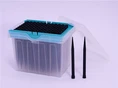





A glass deep well plate is an essential laboratory consumable designed to hold and process liquid samples. This type of plate is made from borosilicate glass, known for its high resistance to chemical and thermal stress, making it highly suitable for a broad range of laboratory applications.
Glass deep well plates offer several advantages over plastic deep well plates. First, they are more durable because glass is resistant to scratches and damage that can occur during handling. Second, they are less prone to chemical leaching, making them ideal for precision assays and toxicity studies. Third, they are optically clear, enabling researchers to visualize samples during experiments or analysis.
Due to their versatility and durability, glass deep well plates are suitable for several laboratory applications, including sample preparation, serial dilution, and protein crystallization. They are also useful for storing and handling small volumes of samples when multiple transfer steps are necessary. Additionally, glass deep well plates can be autoclaved and sterilized, making them ideal for biohazardous material handling.
| Superior Material Quality: | The Glass Deep Well Plate stands out due to its construction from premium-quality glass. This material ensures exceptional chemical resistance and inertness, making it suitable for a wide range of laboratory applications. Researchers benefit from a reliable and durable platform for various assays and experiments. |
| Optimal for High-Throughput Screening: | Designed with multiple wells in a single plate, the Glass Deep Well Plate excels in high-throughput screening. With a generous number of wells, researchers can simultaneously handle numerous samples, increasing efficiency and throughput. This makes the plate an ideal choice for laboratories conducting large-scale experiments. |
| Enhanced Optical Clarity: | The glass construction of the Deep Well Plate offers superior optical clarity. This feature is crucial for researchers performing assays that involve visual inspections or measurements. The clear visibility of reactions or samples within the wells facilitates accurate monitoring, contributing to the precision of experimental outcomes. |
| Versatile and Easy to Use: | The Glass Deep Well Plate is known for its versatility and user-friendly design. It accommodates various liquid volumes and is compatible with automated liquid handling systems. The plate's standardized format ensures seamless integration into laboratory workflows, providing researchers with a convenient and adaptable tool for diverse applications. |
Related Products
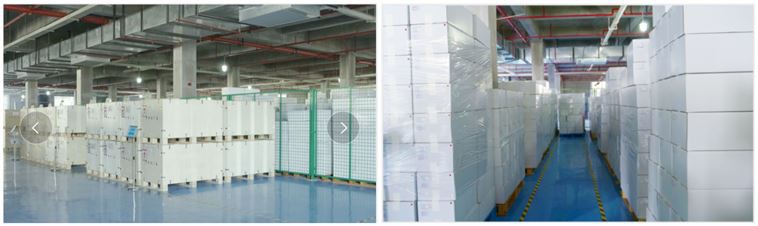
We has a factory of 40000 square meters and totally 500 employees to promise the medical consumable supply in Stock best quality control;
Our OEM&ODM customized service with high talent R&D team to meet your needs;
Our motivation is --- customers' satisfaction smile;
Our believing is --- pay attention to every detail;
Our wish is ----perfect co-operation.

1. Premium Material Composition: The Glass Deep Well Plate boasts a distinct advantage in its superior material quality. Crafted from high-grade glass, it offers exceptional chemical resistance and inertness.
2. High-Throughput Efficiency: An unparalleled advantage of the Glass Deep Well Plate lies in its design optimized for high-throughput screening. Featuring multiple wells within a single plate, researchers can significantly increase efficiency by simultaneously processing numerous samples. This capability is particularly beneficial for laboratories conducting large-scale experiments or screening assays.
3. Crystal-Clear Optical Clarity: The Glass Deep Well Plate excels in providing enhanced optical clarity. The transparent nature of glass allows for optimal visibility of reactions or samples within each well. This clarity is crucial for researchers conducting assays that involve visual inspections or measurements, ensuring accurate and reliable results in a variety of experimental scenarios.
4. Versatility and User-Friendly Design: This Glass Deep Well Plate stands out for its versatility and user-friendly features. It accommodates varying liquid volumes, making it adaptable to different experimental requirements.

Products Application
1. Life Sciences Research: The Glass Deep Well Plate finds extensive applications in life sciences research. Ideal for cell culture, sample storage, and various biochemical assays, it provides a reliable platform for studying cellular behavior, conducting high-throughput screenings, and analyzing biomolecules. Its compatibility with a range of reagents makes it a staple in molecular biology and biotechnology laboratories.


Clinical Diagnostics:
Clinical laboratories benefit from the Glass Deep Well Plate in diagnostic applications. Whether analyzing patient samples, conducting immunoassays, or performing enzyme-linked immunosorbent assays (ELISA), the plate's design allows for efficient handling of multiple samples concurrently. Its transparency aids in result visualization, ensuring precise diagnostic outcomes.


Our Factory Strength

Professional Medical Supplies Manufacturer
Our company is committed to comprehensive activities such as research, development, manufacturing, sales and service in the field of life sciences and clinical diagnostic consumables. We specialize in creating cutting-edge process equipment, optical test systems and simulation tools that address the stability impacts of unique environments, and our commitment extends to providing automated solutions for different products and application scenarios.
vision of the future
mission
system of values
company philosophy

FAQ
- What is the primary material used in manufacturing glass deep well plates?
- Why is borosilicate glass chosen for making these plates?
- What are the advantages of glass deep well plates over plastic ones?
- How does the durability of glass deep well plates compare to plastic plates?
- Why are glass deep well plates considered less prone to chemical leaching?
- In which laboratory applications are glass deep well plates commonly used?
- What makes glass deep well plates optically clear, and why is this important?
- How does the optical clarity of glass deep well plates benefit researchers during experiments?
- What are the potential drawbacks of using plastic deep well plates in comparison to glass?
- How does the resistance of borosilicate glass contribute to the suitability of these plates for laboratory use?
- What types of laboratory assays are glass deep well plates particularly well-suited for?
- In what scenarios is the durability of glass deep well plates advantageous?
- How does the scratch resistance of glass deep well plates impact their performance in the laboratory?
- What specific laboratory processes are glass deep well plates suitable for besides sample preparation?
- Why are glass deep well plates considered ideal for protein crystallization?
- How does the autoclavable and sterilizable nature of glass deep well plates enhance their usability?
- What is the significance of using glass deep well plates in handling biohazardous materials?
- Can glass deep well plates be used in serial dilution experiments, and if so, why?
- How do glass deep well plates contribute to the efficiency of experiments with small sample volumes?
- Are there any limitations or considerations when using glass deep well plates in laboratory settings?
1.Why is borosilicate glass chosen for making these plates?
Borosilicate glass is chosen due to its exceptional resistance to chemical and thermal stress, making it an ideal material for glass deep well plates. It ensures stability and integrity in various laboratory applications.
2.What are the advantages of glass deep well plates over plastic ones?
Glass deep well plates offer advantages over plastic counterparts, including superior durability, resistance to scratches, and reduced susceptibility to chemical leaching. They provide a reliable and long-lasting solution for laboratory processes.
3.How does the durability of glass deep well plates compare to plastic plates?
The durability of glass deep well plates surpasses that of plastic plates. Glass, being resistant to scratches and damage during handling, ensures a longer lifespan, contributing to cost-effectiveness and sustainability in laboratory settings.
4.Why are glass deep well plates considered less prone to chemical leaching?
Glass deep well plates are considered less prone to chemical leaching because borosilicate glass is inert. This inert nature minimizes the risk of releasing substances that could interfere with precise assays or toxicity studies, ensuring the reliability of experimental outcomes.
5.In which laboratory applications are glass deep well plates commonly used?
Glass deep well plates are commonly used in various laboratory applications, including sample preparation, serial dilution, protein crystallization, and storing/handling small volumes of samples requiring multiple transfers.
6.What makes glass deep well plates optically clear, and why is this important?
The optical clarity of glass deep well plates is due to the transparency of borosilicate glass. This clarity enables researchers to visually inspect and monitor samples within the wells during experiments, a crucial aspect for real-time analysis and observation.
7.How does the optical clarity of glass deep well plates benefit researchers during experiments?
The optical clarity of glass deep well plates benefits researchers by allowing them to visualize and monitor reactions or samples in real-time. This capability enhances experimental precision, facilitating accurate measurements, observations, and adjustments during the course of an experiment.
8.What are the potential drawbacks of using plastic deep well plates in comparison to glass?
Potential drawbacks of using plastic deep well plates compared to glass include lower durability, increased susceptibility to scratches and damage, and a higher likelihood of chemical leaching. These factors may compromise experimental integrity and longevity.
9.How does the resistance of borosilicate glass contribute to the suitability of these plates for laboratory use?
The resistance of borosilicate glass contributes to the suitability of these plates for laboratory use by ensuring stability in the face of chemical and thermal stress. This resilience makes glass deep well plates ideal for a wide range of laboratory applications, providing a reliable and inert platform for various experiments.
10.What types of laboratory assays are glass deep well plates particularly well-suited for?
Glass deep well plates are well-suited for various laboratory assays, including cell cultures, enzyme assays, and high-throughput screenings. Their inert borosilicate glass composition ensures compatibility with a diverse range of reagents and substances.
11.In what scenarios is the durability of glass deep well plates advantageous?
The durability of glass deep well plates proves advantageous in scenarios where frequent handling and potential for damage exist. In high-throughput environments or experiments requiring multiple transfers, the robust nature of glass deep well plates ensures long-lasting performance and reliability.
12.How does the scratch resistance of glass deep well plates impact their performance in the laboratory?The scratch resistance of glass deep well plates is crucial for maintaining their performance in the laboratory. Resisting scratches ensures that the wells remain clear and uncontaminated, preventing interference with assays and maintaining the overall integrity of experiments.
13.What specific laboratory processes are glass deep well plates suitable for besides sample preparation?
Glass deep well plates are suitable for various laboratory processes beyond sample preparation, such as serial dilution, storing and handling small volumes of samples requiring multiple transfers, and assays where optical clarity is essential for precise measurements and observations.
14.Why are glass deep well plates considered ideal for protein crystallization?
Glass deep well plates are considered ideal for protein crystallization due to their transparency and inert nature. The clear visibility of protein crystals in the wells allows researchers to monitor crystal growth and quality, contributing to the success of protein crystallization experiments in structural biology studies.
15.How does the autoclavable and sterilizable nature of glass deep well plates enhance their usability?
The autoclavable and sterilizable nature of glass deep well plates enhances usability by allowing researchers to eliminate potential contaminants. Autoclaving ensures the elimination of microorganisms, providing a sterile environment crucial for sensitive experiments without compromising the integrity of the glass.
16.What is the significance of using glass deep well plates in handling biohazardous materials?
Using glass deep well plates for handling biohazardous materials is significant for ensuring containment and preventing exposure. The inert properties of borosilicate glass reduce the risk of chemical reactions with hazardous substances, offering a safe and reliable platform for working with potentially dangerous materials.
17.Can glass deep well plates be used in serial dilution experiments, and if so, why?
Glass deep well plates can be used in serial dilution experiments due to their durability, chemical resistance, and clarity. The transparent nature facilitates accurate volume measurements during dilution steps, ensuring precise and reproducible results in experiments requiring stepwise dilution.
18.How do glass deep well plates contribute to the efficiency of experiments with small sample volumes?
Glass deep well plates contribute to the efficiency of experiments with small sample volumes by providing a clear and inert platform. Their transparency allows researchers to visually monitor reactions, ensuring precise measurements and reducing the risk of errors in experiments where small sample volumes require careful handling.
19.Are there any limitations or considerations when using glass deep well plates in laboratory settings?
While glass deep well plates offer numerous advantages, users should consider potential limitations, such as the risk of breakage, especially in high-impact situations. Additionally, the weight of glass plates may impact certain automated handling systems, and careful handling is required to avoid scratches that could interfere with assays.
20.What is the primary material used in manufacturing glass deep well plates?
The primary material in manufacturing glass deep well plates is borosilicate glass, renowned for its resilience in challenging laboratory environments.
Hot Tags: glass deep well plate, China, suppliers, manufacturers, factory, custom, wholesale, for sale, U Bottom 96 Deep Well Plate, Round well U bottom deep well plate, 2 2ml deep well plate, glass Deep well plate, Deep Well Microplates, U Bottom Deep Well Plate


