




Miniature Marvels Redefining Molecular Biology
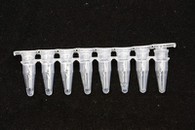
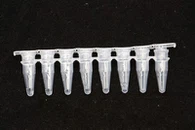
Micro PCR tubes, often referred to as microcentrifuge tubes, are indispensable tools in molecular biology laboratories. These tiny vessels play a crucial role in Polymerase Chain Reaction (PCR), a cornerstone technique for DNA amplification. In this exploration, we delve into the advantageous features, distinctive characteristics, and the specialized nature of micro PCR tubes, showcasing their pivotal role in the realm of molecular biology.
active members
years experience
events & challenges
expert instructors
1. Precision Engineering for Minuscule Samples
They are meticulously crafted to accommodate minimal sample volumes, typically ranging from 0.1 to 0.5 milliliters. This precision is vital in molecular biology, where scarce or precious samples demand utmost efficiency. Their diminutive size not only conserves reagents but also reduces the risk of contamination, ensuring the accuracy and reproducibility of experimental results.
2. Thermal Stability and Resistance
One of the key advantages of micro PCR tubes lies in their ability to withstand extreme temperature fluctuations. Constructed from high-quality materials, these tubes can endure the rigorous thermal cycling involved in PCR processes. This thermal stability ensures that the tubes maintain structural integrity, preventing deformation or leakage during the critical phases of DNA amplification.
3. Secure Sealing and Evaporation Prevention
They feature secure sealing mechanisms, often in the form of snap or screw caps. This airtight seal not only prevents sample contamination but also serves as a barrier against evaporation, especially crucial in reactions where maintaining precise concentrations is paramount. The design intricacies contribute to a controlled and stable reaction environment.
4. Compatibility with Automation Systems
In the contemporary landscape of molecular biology, automation is increasingly prevalent. Micro PCR tubes are designed with compatibility in mind, seamlessly integrating into automated systems for high-throughput applications. This feature enhances workflow efficiency, reduces manual handling errors, and enables researchers to process large volumes of samples with ease.
Products Application
Micro PCR tubes, renowned for their compact design and precision, find extensive applications across various scientific domains, contributing to advancements in research and diagnostics.
Molecular Biology Research:
In the realm of molecular biology, they serve as foundational components for DNA amplification. Whether conducting gene expression studies, sequencing, or cloning, these tubes play a pivotal role in facilitating polymerase chain reactions with minimal sample volumes.
Diagnostics and Pathogen Detection:
Micro PCR tubes are instrumental in diagnostic applications, particularly in the rapid detection of pathogens. They enable the amplification and analysis of genetic material, aiding in the identification of infectious agents with high sensitivity and specificity.
Forensic Analysis:
Forensic laboratories strategically employ micro PCR tubes in the intricate process of DNA profiling and analysis, where the smallest details can make the most significant impact. The diminutive size of these tubes is not merely a matter of convenience; it is a strategic advantage in the realm of forensic investigations.
Environmental DNA Studies:
Environmental DNA (eDNA) studies, used to detect and monitor species in ecosystems, benefit from the use of micro PCR tubes. Researchers can amplify trace amounts of DNA extracted from environmental samples, providing insights into biodiversity and ecosystem dynamics.
Food Safety Testing:
PCR tubes play a role in ensuring food safety by enabling the detection of microbial contaminants and foodborne pathogens. Their efficiency in amplifying specific DNA sequences aids in the rapid and accurate assessment of food quality.
Clinical Research and Disease Diagnosis:
Micro PCR tubes contribute to studies involving genetic markers, disease associations, and drug response profiling. They are also integral in diagnostic settings, supporting the identification of genetic mutations and biomarkers associated with various diseases.

why choose our products
Choose our company's PCR tubes to ensure the success of your laboratory work. Our PCR tubes are manufactured from high-quality polymer materials with excellent high-temperature resistance and strict production quality control.
The transparent design makes it easy to observe the reaction progress, and the various specifications can meet the needs of different PCR reaction volumes. We are committed to providing reliable, precise and cost-effective laboratory solutions to provide strong support for your research work.
Company Strength

who we are?
Our medical supplies supply company stands out for its exceptional service and high-quality products. Our strengths include an extensive product line covering all areas of the medical industry, and strict quality control to ensure customers receive safe and reliable products. We are committed to fast and accurate delivery to meet our customers' urgent needs. Our professional team and global supply chain network enable us to provide customers with comprehensive support and help medical institutions provide high-level medical services.
high
quality
Advanced
Equipment
Professional
Team
One-Stop
Solution
high quality
advanced equipment
professional team
global shipping


Exhibition Information
Our company actively participates in multiple industry exhibitions at home and abroad and has achieved remarkable results. Through the exhibition platform, we have successfully attracted many customers and established strategic partnerships with big brands. This not only expands market share, but also strengthens the company's influence in the industry and lays a solid foundation for business development.


FAQ:
- What is the typical design and shape of PCR tubes?
- What is the typical shape of pipette tips?
- What is the primary use of PCR tubes?
- Where are pipette tips mainly used in the laboratory?
- What are the special features of PCR tubes?
- What makes pipette tips special in their design?
- What is the typical volume range of PCR tubes?
- What volume range are pipette tips suitable for?
- What materials are commonly used to make PCR tubes?
- What materials are commonly used to make pipette tips?
- What role do PCR tubes play in PCR experiments?
- How do pipette tips contribute to liquid handling operations?
- What are the advantages of choosing PCR tubes?
- What advantages come with choosing pipette tips?
- In which fields are PCR tubes mainly applicable?
- In which fields are pipette tips widely used?
- How do the materials used in PCR tubes impact the environment?
- Is sustainability considered in the manufacturing of pipette tips?
- How do PCR tubes and pipette tips work together in laboratory operations?
- Why are PCR tubes and pipette tips typically designed for single-use?
1.What is the typical design and shape of PCR tubes?
PCR tubes are typically slender cylindrical tubes with lids, designed to carry and transport PCR reaction mixtures for DNA amplification. The lids can seal to prevent sample contamination and provide protection during reactions.
2.What is the typical shape of pipette tips?
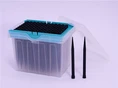
Pipette tips are typically slender and pointed, designed to be used with pipettes. They come in various capacities, suitable for transferring different volumes of liquids.
3. What is the primary use of PCR tubes?
Answer: PCR tubes are mainly used for PCR (Polymerase Chain Reaction) experiments, where DNA templates, primers, nucleotides, and polymerase are mixed in the PCR tubes for DNA amplification.
4.Where are pipette tips mainly used in the laboratory?
Answer: Pipette tips are primarily used with pipettes for precise liquid transfer and distribution in laboratory operations, such as handling samples and reagents.
5.What are the special features of PCR tubes?
Answer: PCR tubes typically have high-temperature resistance for enduring the heat denaturation steps in PCR reactions. They are also usually transparent, facilitating the observation of reaction progress.
6.What makes pipette tips special in their design?
Answer: Pipette tips are designed for single-use to prevent cross-contamination. Their design facilitates precise and reliable liquid transfer.
7.What is the typical volume range of PCR tubes?
Answer: PCR tubes come in various specifications, suitable for PCR reaction volumes ranging from a few microliters to several hundred microliters.
8.What volume range are pipette tips suitable for?
Answer: Pipette tips are available in various specifications, suitable for transferring liquid volumes ranging from microliters to milliliters.
9.What materials are commonly used to make PCR tubes?
PCR tubes are typically made of polymer materials, such as polypropylene.
10.What materials are commonly used to make pipette tips?
Pipette tips are usually made of materials like polypropylene or polyethylene to ensure compatibility with various reagents.
11.What role do PCR tubes play in PCR experiments?
PCR tubes serve as vessels for carrying PCR reaction mixtures, ensuring the progress of DNA amplification reactions.
12.How do pipette tips contribute to liquid handling operations?
Pipette tips are used for precise liquid transfer and distribution, ensuring accuracy in laboratory operations.
13.What are the advantages of choosing PCR tubes?
The advantages of PCR tubes include their design, high-temperature resistance, transparency, and contamination prevention features.
14.What advantages come with choosing pipette tips?
Pipette tips offer advantages such as precise liquid transfer, single-use contamination prevention, and compatibility with different volume specifications.
15.In which fields are PCR tubes mainly applicable?
PCR tubes are mainly used in the field of molecular biology, especially in DNA amplification experiments.
16.In which fields are pipette tips widely used?
Pipette tips find widespread applications in laboratory operations across fields such as biochemistry and molecular biology.
17.How do the materials used in PCR tubes impact the environment?
PCR tubes are commonly made from environmentally friendly polymer materials, meeting eco-friendly standards.
18.Is sustainability considered in the manufacturing of pipette tips?
Some manufacturers of pipette tips focus on sustainability, using eco-friendly materials and production processes.
19.How do PCR tubes and pipette tips work together in laboratory operations?
PCR tubes are used for PCR reactions, while pipette tips are used for adding or distributing liquids within PCR reactions.
20.Why are PCR tubes and pipette tips typically designed for single-use?
Single-use design prevents cross-contamination, ensuring the reliability of experimental results.
Hot Tags: micro pcr tubes, China, suppliers, manufacturers, factory, custom, wholesale, for sale, Pcr Tubes, plastic PCR Tubes, Sterile Pcr Tubes Strip, 0 2ml Clear PCR Tubes, Red PCR Tubes, Low Binding Pcr Tubes