






PCR Tubes: Small Tubes, Big Breakthroughs
In the world of scientific experiments, PCR (polymerase chain reaction) is a revolutionary technology that allows us to amplify tiny DNA fragments to a detectable level, thereby gaining a deeper understanding of the mysteries of life. Since the advent of PCR technology in the 1980s, it has revolutionized many fields such as genetic research, disease diagnosis, and forensics. PCR not only enables scientists to obtain rich information from very small amounts of DNA samples, but also provides strong support for the development of modern medicine and biotechnology. However, behind this complex and sophisticated technology, there is a seemingly inconspicuous hero - PCR Tubes, which play a vital role in the whole process.
PCR Tubes, although just small test tubes for loading reaction mixtures, are the basis for the smooth progress of PCR reactions. They must be able to withstand extremely high temperature changes and undergo multiple heating and cooling cycles in a short period of time. During the PCR reaction, the temperature can reach up to 95 degrees Celsius, and these small test tubes must not only remain stable at such high temperatures, but also ensure the purity of the samples and the efficiency of the reaction. In addition, PCR Tubes also need to have good sealing properties to prevent sample evaporation and contamination, thereby ensuring the accuracy of experimental results.
Let us step into the magical world of these small test tubes and see how they play a huge role in scientific exploration and drive scientists to make breakthrough progress. Although PCR Tubes are small, their role should not be underestimated. It is these unsung heroes behind the scenes who drive scientific research forward and bring more benefits to mankind.

Small test tubes, big impact
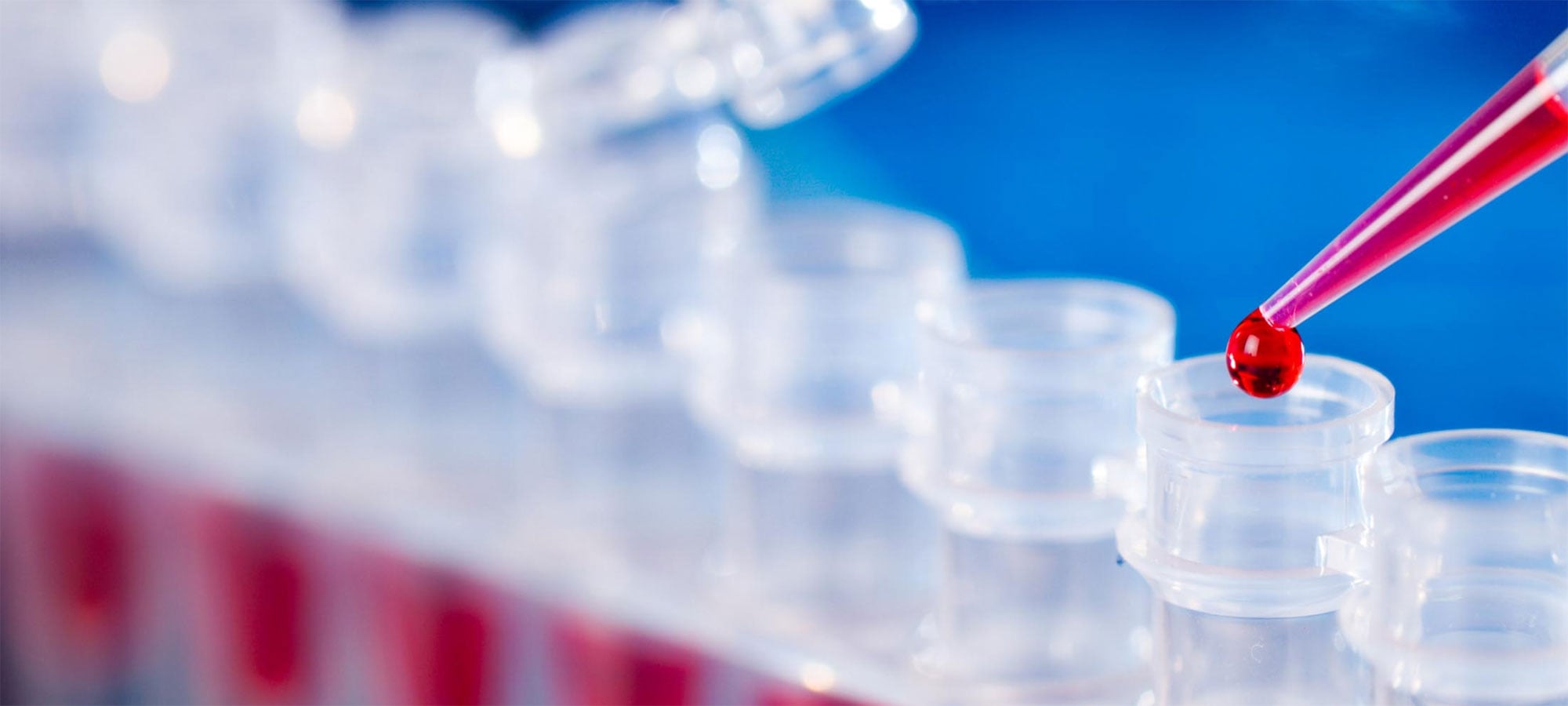
PCR Tubes are actually small test tubes used to hold reaction mixtures. Although they are only a few millimeters long, the world inside is magnificent. In these small spaces, scientists add DNA templates, primers, nucleotides and polymerases, and then undergo a cycle of heating and cooling in a thermal cycler. These steps sound complicated, but in fact they are all carried out quietly in these small test tubes.
PCR Tubes have a wide range of applications. From basic scientific research to medical diagnosis, to agricultural and environmental sciences, these small test tubes are everywhere. They help scientists decode genetic information, detect diseases, and even track microorganisms in the environment. In forensics, PCR Tubes are used to analyze trace DNA samples at crime scenes to help solve cases. Agricultural scientists use them to conduct genetic research on plants and animals and promote the cultivation of new varieties.
In addition, PCR Tubes also play an important role in the field of education. By using these small test tubes, students can intuitively understand the principles and applications of PCR technology, thereby stimulating their interest in biological sciences. In scientific research laboratories, PCR Tubes have become an essential tool for daily operations. Behind every successful experiment, there is the silent contribution of these small test tubes.
The "magic hat" of science


Why are PCR Tubes so important? Before answering this question, let's first understand the key steps of the PCR reaction. PCR (polymerase chain reaction) is a technology used to amplify specific DNA fragments. Through a series of temperature cycles, the DNA fragments are continuously replicated under the action of polymerase, and finally a large number of specific DNA sequences are obtained. Although this process sounds complicated, it has become a routine and efficient technical tool in the hands of scientists.
The unique design of PCR Tubes is the key to the success of PCR reactions. First, these small test tubes need to be designed with precise volume and shape to adapt to the use requirements of thermal cyclers. Each test tube must have a consistent size to ensure that the samples in each test tube can be heated evenly when the temperature changes. Only in this way can the uniformity and reliability of the reaction be guaranteed.
Secondly, PCR Tubes must also have excellent optical properties. Many modern PCR technologies rely on fluorescent dyes to detect the results of DNA amplification. These dyes fluoresce under specific wavelengths of light, so the transparency and optical purity of the test tube are very important. High-quality PCR Tubes can ensure the accurate transmission and detection of fluorescent signals and improve the accuracy of experimental results.
Furthermore, the material selection of PCR Tubes is also very particular. In addition to ensuring the chemical inertness of the test tube itself, the material must also have good biocompatibility to avoid adverse reactions with the reaction components. These test tubes are usually made of high-purity polypropylene, which is not only stable at high temperatures, but also prevents the sample from adsorbing on the wall of the test tube, thereby ensuring the integrity of the sample and the efficiency of the reaction.
In addition to technical requirements, the design of PCR Tubes also needs to take into account the convenience of experimental operation. The design of the test tube cover is a good example. High-quality PCR Tubes are usually equipped with easy-to-open and close lids, which not only ensures the sealing, but also facilitates the operation of the experimenter and reduces the risk of misoperation. Especially when large-scale high-throughput detection is required, the easy-to-operate test tube design can greatly improve the efficiency of the experiment.
Finally, the quality control of PCR Tubes is also a crucial link. Each batch of test tubes produced needs to undergo rigorous quality testing to ensure that they can meet various demanding experimental requirements. This includes testing of material purity, dimensional consistency, optical properties, and sealing performance. Only after passing these strict quality controls can PCR Tubes be used in actual scientific research and medical testing.
From the laboratory to the diagnostic room

PCR Tubes not only play an important role in basic scientific research, they also directly affect our daily lives, especially in the fields of public health and disease monitoring. For example, in the detection of the new coronavirus, PCR technology has become an important tool in the fight against the epidemic. This technology uses these small test tubes to amplify and detect trace amounts of viral RNA, greatly improving the sensitivity and accuracy of the test.
In the early days of the epidemic, the application of PCR Tubes enabled researchers to respond quickly and obtain the genetic information of the virus in a timely manner. By placing samples in these test tubes, scientists can effectively extract and amplify the genetic material of the virus to confirm the viral load of the infected person. This process not only helps doctors make a quick diagnosis, but also provides a scientific basis for epidemic prevention and control.
In addition, the use of PCR Tubes is not limited to the new coronavirus. These small test tubes also play a vital role in the detection of other infectious diseases such as influenza and AIDS. They provide reliable support for the early detection of various viruses and pathogens, allowing medical workers to take isolation and treatment measures in time to effectively control the spread of the disease.
Outside the laboratory, the impact of PCR Tubes has also permeated all aspects of daily life. Many families' health monitoring and personalized medicine also rely on PCR technology. With the popularization of genetic testing technology, more and more people are beginning to use PCR Tubes for genetic analysis to understand their own health risks and genetic tendencies. This personalized health management method allows more people to pay attention to their own health conditions and improves disease prevention awareness.
Small test tubes, big future
As biotechnology continues to develop, the application scope of PCR Tubes is also expanding. These small test tubes are no longer limited to basic research, but have penetrated into various fields, from cancer research to forensic identification, to agricultural breeding and environmental monitoring, and are almost everywhere.
In cancer research, PCR Tubes are used to detect specific gene mutations in cancer cells. This technology enables scientists to identify early signs of cancer and provide a basis for developing personalized treatment plans for patients. By analyzing DNA samples from patients, researchers can gain a deeper understanding of the mechanism of cancer occurrence and develop more effective targeted drugs.
In the field of forensics, the role of PCR Tubes is also not to be underestimated. By amplifying trace amounts of DNA left at the crime scene, these small test tubes help forensic experts reconstruct the course of the case, provide key evidence, and reveal the truth. Whether it is paternity testing or the identification of suspects, PCR Tubes are silently supporting judicial justice behind the scenes.
In agricultural breeding, PCR Tubes are used to evaluate the genetic diversity and excellent traits of crops. These test tubes allow farmers and scientists to screen for crop varieties that are resistant to pests and diseases or have high yields, thereby promoting the development of sustainable agriculture.
In addition, the application of PCR Tubes in environmental monitoring is becoming increasingly important. Scientists can understand the health of ecosystems and assess the impact of environmental pollution by detecting microbial DNA in water and soil. This information is essential for protecting the ecological environment and formulating reasonable environmental protection policies.
It can be said that behind every scientific breakthrough, there is the silent support of these small test tubes. PCR Tubes are not only an indispensable tool in scientific experiments, but also an important force in promoting the advancement of human knowledge and social development. With the continuous advancement of technology, PCR Tubes will continue to play an important role in a wider range of fields in the future, helping us explore the unknown and create a better tomorrow.
In short, although PCR Tubes are small, they play an indispensable role in scientific research and daily life. From basic research to medical diagnosis, to agriculture and environmental monitoring, their wide application has not only promoted the progress of science, but also made great contributions to human health and sustainable development. With the continuous evolution of technology, we have reason to believe that PCR Tubes will continue to promote more scientific discoveries and innovations in the future, and become an important tool for exploring the mysteries of life and solving real problems. Let us look forward to more surprises and breakthroughs brought by these small test tubes!