


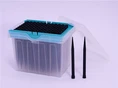


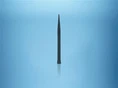


300ul pipette tips
Capacity:The 300 µL tip is designed to hold and dispense up to 300 microliters of liquid, making it suitable for a variety of applications that require medium-volume transfers. This capacity is particularly suitable for experimental tasks that handle medium-volume reagents, samples, or solutions. Whether in chemical analysis, biological experiments, or medical research, tips of this capacity can efficiently complete liquid transfers. Its precise volume range ensures the reliability of each pipetting operation, thereby improving the accuracy and repeatability of experimental results. In addition, this capacity also makes the tip more flexible when medium-volume liquids need to be handled, without the need to frequently change tips or repeat operations, improving experimental efficiency.
Compatibility: The 300 µL tip is carefully designed to be compatible with most standard pipette models, ensuring safe and precise fit. Due to its universal fit, laboratories do not need to purchase dedicated tips for each model of pipette, thereby simplifying laboratory workflows and saving costs. This universal design means that laboratories can use the same tip for multiple pipette operations, improving the efficiency of laboratory equipment. The enhanced fit also reduces operational problems that may be caused by mismatching the tip with the pipette, such as liquid leakage or tip detachment, thereby ensuring a smooth and accurate experimental process.
Precision and Accuracy
Tapered End: These tips have a fine tapered end designed to achieve accurate and consistent liquid dispensing. The tapered design helps ensure smooth liquid flow and reduces liquid retention inside the tip. The meticulous design of the tapered end not only improves the accuracy of volume transfer, but also reduces the risk of errors caused by bubbles or liquid retention. This design makes each liquid transfer more reliable, especially in experiments that require high-precision operations, which can significantly improve the accuracy of experimental results.
Low Retention: The inner surface of the 300 µL tip is specially treated to minimize liquid retention. This low retention design effectively reduces the residue of liquid during pipetting, reduces the risk of cross-contamination, and improves the accuracy of each pipetting action. The advantage of reduced retention is that it can maximize the retention of the target volume of each pipetting and reduce errors caused by inaccurate volume. Additionally, the low hold-up design simplifies cleaning and maintenance because less liquid is retained, reducing the potential for contamination.
Material Features of this Product
Durability:
These tips are made of high-quality plastic materials and have excellent durability. The durability of the material is mainly reflected in two aspects: resistance to breakage and resistance to deformation. The high-quality choice of plastic enables each tip to withstand the test of various operating conditions in the laboratory, including high-frequency use and pressure in various environments. Even during long-term use, the tips are not prone to cracks or deformation, ensuring their long-term stable performance. This durability not only reduces the frequency of tip replacement, but also reduces potential experimental errors or sample contamination caused by damage. Durable materials ensure that the tips can maintain efficient working conditions in high-intensity and frequently operated experimental environments, improving the overall efficiency of laboratory operations.


Chemical Resistance:
Another important feature of plastic materials is their chemical resistance. These tips are resistant to a variety of chemicals and solvents, including common acids and bases. This chemical resistance makes the tips suitable for various types of liquid transfers without corrosion, discoloration or degradation due to the chemical properties of the liquid. For example, when handling strong acids or bases, plastic materials can effectively prevent reactions with chemicals and maintain their structural and functional integrity. This feature is particularly important in chemical experiments, biological research, and other applications that require contact with corrosive liquids, because it ensures the stability and reliability of the tips and avoids inaccurate experimental data or equipment damage caused by material reactions. By using chemically resistant materials, these tips can provide continuous high performance in a variety of chemical environments, ensuring the smooth progress of experiments.
Application areas of 300ul pipette tips

Biomedical Research:
In biological research, 300μL pipette tips are widely used, especially in molecular biology, cell biology and biochemistry experiments. Here are some specific application scenarios:
Molecular biology: In molecular biology experiments, such as PCR (polymerase chain reaction) and DNA cloning, 300μL pipette tips are used to accurately prepare reagents and samples. For example, when preparing a PCR reaction mixture, researchers need to mix multiple reagents in a specific ratio. 300μL pipette tips can accurately measure various reagents, such as DNA templates, primers, enzymes and buffers to ensure the accuracy and repeatability of the reaction.
Cell biology: In cell culture and cell experiments, 300μL pipette tips are often used for sample dilution and cell processing. For example, when a cell suspension needs to be diluted to a specific concentration, researchers can use this specification of pipette tips to mix cell fluid and culture medium. This ensures that cells are evenly distributed and improves the accuracy of the experiment.
Biochemistry: In biochemistry experiments, such as enzymatic reactions and protein analysis, 300μL pipette tips are used to add enzymes, substrates, and other reaction reagents. Accurate liquid transfer is essential to ensure the reliability of experimental results. 300μL pipette tips can help researchers accurately measure and add the required amount of liquid, reduce errors, and improve the repeatability of experiments.
Environmental Science:
In the field of environmental science, 300μL pipette tips also play an important role, especially in the analysis of environmental samples. Here are some specific application scenarios:
Water quality testing: In water quality testing experiments, researchers need to analyze water samples, including determining the concentration of pollutants, pH, and other chemical components in water. 300μL pipette tips are used to take samples from water samples and add analytical reagents. For example, when conducting heavy metal testing, researchers may need to add a certain amount of water samples to reagents for reaction and determination.
Soil analysis: In soil sample analysis, 300μL pipette tips are used to take samples from soil suspensions and mix them with reagents to detect nutrients or pollutants in the soil. This is important for assessing soil fertility and contamination levels.
Air sample analysis: In air quality monitoring, the 300μL tip may be used to extract gas samples and add to analytical reagents to detect harmful substances in the air, such as volatile organic compounds (VOCs) or particulate matter.
Maybe you have the following questions
1. What are the main application areas of these tips?
These tips are widely used in biological research and environmental science. In biological experiments, they are used for precise transfer of liquids, such as preparing reagents, sample dilution, and reaction solution addition. In environmental science, they are often used for sample analysis, such as water quality testing, soil analysis, and gas sample processing. Their precision and reliability make them a common tool for various laboratory operations.
2. Are these tips compatible with all common pipette brands?
Although most pipette tips are designed to be compatible with multiple brands, compatibility may vary depending on the model and brand of the pipette. It is recommended to confirm the compatibility of the tips with the pipette when purchasing, especially when conducting important experiments or purchasing large quantities of products, to ensure that the tips can be fully matched with your existing equipment.
3. What are these tips made of?
These tips are usually made of high-quality polypropylene (PP) material. Polypropylene has excellent chemical resistance and mechanical strength, and can withstand a variety of laboratory chemicals and temperature changes. In addition, they are usually sterilized to prevent cross contamination.
4. Are these tips available in sterile options?
Yes, sterile options are usually available on the market. Sterile tips are specially treated to ensure that they are free of microorganisms before use, which is especially important for experiments that require high cleanliness and avoid cross contamination. You can choose sterile or non-sterile tips according to your experimental needs.
5. Do these tips have a special leak-proof design?
Many high-quality tips are designed with a leak-proof function to ensure that liquid does not leak out during transfer. This design helps improve the accuracy of the experiment and reduce liquid waste in the operation. When purchasing, you can check the product specifications to confirm whether it has this leak-proof design.
Hot Tags: 300ul pipette tips, China, suppliers, manufacturers, factory, custom, wholesale, for sale, 96 Transparent Pcr Plate, Low Binding Pipet Tip, 96 deep well plate, Pcr Lab Tubes, Lab Pipette Tip, Disposable Pp Material Plastic Pcr Tubes


