






Company Profile
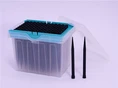
As a professional manufacturer in China, we are committed to producing high-quality pipette tip products. We have advanced production equipment and technical teams to ensure that our products meet the highest standards in quality and performance. Our pipette tips undergo rigorous quality control and testing to ensure their stability and precision. We offer various specifications and models of pipette tips to meet the different needs of our customers. Whether in the medical, biotech, laboratory or industrial fields, we provide our customers with quality products and services.
Why choose us?
Advanced equipment
We have advanced production equipment and technical teams to ensure that our products meet the highest standards in quality and performance.
Customized services
Whether in the medical, biotech, laboratory or industrial fields, we provide our customers with quality products and services.
Competitive price
We can provide the OEM and ODM services, with superior cost performance, rich technical resources and top quality and efficiency.
High quality
Our products are manufactured or executed to very high standards, using the finest materials and manufacturing processes.
Related Product

The wide bore pipette is a cutting-edge laboratory tool designed to revolutionize liquid handling processes. With its enlarged internal diameter, this pipette offers unparalleled efficiency in transferring viscous liquids, high-density samples, and particles without clogging or compromising accuracy.

Introducing the 10 microliter pipette: a precise and reliable laboratory tool designed for accurately measuring and transferring small volumes of liquids in scientific experiments and research.

Positive Displacement Pipette Tips
Positive displacement pipette tips are specially designed to work with positive displacement pipettes, providing an airtight seal and enabling accurate and efficient dispensing of viscous or volatile liquids without the risk of contamination or sample loss.

Low retention tips are specialized laboratory pipette tips designed to minimize sample retention on the inner surfaces of the tip. They are particularly useful when working with precious or expensive samples, as they ensure maximum sample recovery and reduce the risk of cross-contamination. The hydrophobic surface treatment of low retention tips prevents liquid from adhering to the tip walls, allowing for more accurate and reproducible liquid handling.

Wide bore pipette tips are specialized laboratory accessories designed for pipettes with larger diameters. These tips offer a wider opening, allowing for efficient and accurate pipetting of viscous or dense liquids, as well as cellular or molecular samples. Their broader design prevents sample retention and ensures optimal sample recovery, minimizing wastage. Wide bore pipette tips are commonly used in molecular biology, cell culture, and biotechnology applications, where precise and reliable liquid handling is crucial.

Wide bore pipette tips are specialized laboratory accessories designed for pipettes with larger diameters. These tips offer a wider opening, allowing for efficient and accurate pipetting of viscous or dense liquids, as well as cellular or molecular samples. Their broader design prevents sample retention and ensures optimal sample recovery, minimizing wastage. Wide bore pipette tips are commonly used in molecular biology, cell culture, and biotechnology applications, where precise and reliable liquid handling is crucial.

Yellow pipette tips are laboratory accessories used in scientific research and medical applications. These tips are made of high-quality plastic and are designed to fit snugly onto pipettes for accurate and precise liquid handling. The yellow color distinguishes them from other types of pipette tips and helps in easy identification. They are often used for general-purpose pipetting tasks and are compatible with various pipette models. Yellow pipette tips ensure reliable and consistent sample transfer, minimizing the risk of contamination and providing optimal results in the lab.

A 1000ul pipette is a laboratory instrument used for precise and accurate measurement and transfer of liquids. It has a volume capacity of 1000 microliters, allowing researchers and technicians to handle larger volumes with precision. This pipette is commonly employed in various scientific and medical applications, including molecular biology, biochemistry, and clinical diagnostics, where precise liquid handling is crucial for obtaining reliable and reproducible results.

200ul Pipette Tips are laboratory consumables designed for accurate and precise liquid handling. With a volume capacity of 200 microliters, these tips enable researchers and technicians to transfer small to medium volumes of liquids with ease. They are commonly used in various scientific and clinical applications, such as molecular biology, biochemistry, and diagnostics. These tips ensure reliable and reproducible results, making them essential tools in the laboratory for pipetting tasks requiring precise volume measurements.
What is Disposable Pipette Tips
Pipette Tips are disposable, autoclavable attachments for the uptake and dispensing of liquids using a pipette. Micropipettes are used in a number of laboratories. A research/diagnostic lab can use pipette tips to dispense liquids into a well plate for PCR assays.
Benefits of Disposable Pipette Tips
Contamination prevention
One of the primary advantages of disposable pipette tips is their ability to prevent cross-contamination between samples. Since disposable tips are discarded after each use, the risk of carryover contamination from one sample to another is significantly reduced, ensuring the integrity of experimental results.
Time efficiency
Disposable pipette tips save valuable time in the laboratory by eliminating the need for cleaning and sterilization between uses. Researchers can focus on their experiments without the downtime associated with washing and autoclaving reusable tips, thereby increasing workflow efficiency.
Reduced risk of sample loss
Disposable pipette tips are designed to minimize liquid retention, ensuring maximum sample recovery and reducing the risk of sample loss. This is particularly important when working with precious or limited-volume samples, where even small losses can impact the experimental outcome.
Compatibility and convenience
Disposable pipette tips are compatible with a wide range of pipettes from different manufacturers, providing versatility and convenience in the laboratory. Users can easily switch between tip sizes and types without the need for additional equipment or adjustments.
Consistency and reproducibility
Using disposable pipette tips helps maintain consistent and reproducible results across experiments by minimizing variability introduced by manual cleaning and handling of reusable tips. This is critical for ensuring the reliability and validity of scientific research and diagnostic assays.
Reduced risk of pipette damage
Repeated autoclaving and cleaning of reusable pipette tips can lead to wear and damage over time, affecting their performance and accuracy. Disposable pipette tips eliminate the risk of damage associated with cleaning and sterilization, ensuring optimal pipetting performance with each use.
Cost-effectiveness
While disposable pipette tips have an upfront cost, they can be more cost-effective in the long run compared to reusable tips. When factoring in the time and resources required for cleaning, sterilization, and potential replacement of reusable tips, disposable tips often offer a more economical solution for laboratory liquid handling needs.
Sterility assurance
Disposable pipette tips are manufactured under stringent quality control measures and are typically supplied in sterile packaging. This ensures that each tip is free from contaminants and ready for immediate use in aseptic laboratory procedures, such as cell culture and molecular biology applications.
Types of Disposable Pipette Tips
Standard tips
Standard disposable pipette tips are the most commonly used type and are suitable for general liquid handling tasks. They are available in a wide range of sizes to accommodate different pipette volumes and are compatible with various pipette brands.
Filter tips
Filter tips feature built-in filters, usually made of hydrophobic material such as polyethylene (PE), polypropylene (PP), or porous materials like porous polytetrafluoroethylene (PTFE). These filters prevent aerosols, contaminants, and liquids from entering the pipette shaft, reducing the risk of sample cross-contamination and pipette contamination. Filter tips are ideal for applications involving sensitive samples, such as PCR, RNA/DNA isolation, and cell culture.
Low-retention tips
Low-retention tips are designed to minimize liquid adhesion to the inner surface of the tip, thereby reducing sample loss and ensuring maximum sample recovery. These tips are particularly useful when working with viscous or low-volume samples, where sample retention can lead to inaccurate volume measurements. Low-retention tips are commonly used in molecular biology, genomics, and proteomics applications.
Extended length tips
Extended length tips feature a longer tip shaft compared to standard tips, allowing for easier access to deep or narrow containers, such as tubes and microplates. They are often used in applications where precise dispensing into small vessels or wells is required, such as high-throughput screening, microarray spotting, and liquid handling automation.
Specialty tips
Specialty disposable pipette tips are designed for specific laboratory applications or unique sample types. Examples include tips with conductive properties for electrostatically sensitive samples, tips with ultrafine points for precise dispensing, and tips with beveled or tapered ends for cell manipulation and microinjection techniques.
Low-retention filter tips
Combining the features of low-retention and filter tips, low-retention filter tips offer enhanced sample protection and minimal sample loss. They are ideal for applications requiring both reduced sample adhesion and contamination prevention, such as PCR, qPCR, and Next-Generation Sequencing (NGS).
At present, the pipette tips on the market are basically made of polypropylene plastic (colorless and transparent plastic with high chemical inertness and wide temperature range).
Sample aliquoting
Disposable pipette tips are commonly used for transferring precise volumes of liquid samples from one container to another. This is essential in tasks such as sample preparation, dilution series, and reagent dispensing.
PCR (polymerase chain reaction)
In PCR workflows, where small volumes of nucleic acid samples, primers, and enzymes are combined in multi-step reactions, disposable pipette tips are used for accurate and contamination-free liquid handling. Proper pipetting techniques and sterile tips are crucial for reliable PCR results.
Cell culture
Maintaining cell cultures often involves transferring cells, media, and reagents between culture vessels. Disposable pipette tips ensure sterile and precise liquid handling, minimizing the risk of contamination and maintaining cell viability.
Biochemical assays
Various biochemical assays, such as enzyme assays, immunoassays, and ELISAs (Enzyme-Linked Immunosorbent Assays), rely on precise measurement and mixing of reagents. Disposable pipette tips facilitate accurate dispensing and prevent cross-contamination between samples.
Molecular biology
Techniques such as DNA/RNA isolation, purification, and quantification require precise handling of nucleic acid samples and reagents. Disposable pipette tips minimize the risk of sample carryover and ensure the integrity of genetic material during these procedures.
Microbiology
In microbiology laboratories, where cultures, media, and microbial samples are handled, disposable pipette tips are used for aseptic transfer of liquids to prevent contamination between samples and culture plates.
Clinical diagnostics
In clinical laboratories, where patient samples are tested for various analytes and pathogens, disposable pipette tips are used for precise dispensing of reagents and samples in diagnostic assays, such as immunoassays, blood typing, and serological tests.
Liquid handling automation
High-throughput screening and automated liquid handling systems rely on disposable pipette tips for accurate and reproducible sample handling. These systems utilize robotic pipettors equipped with disposable tips to perform complex liquid handling tasks efficiently.
How to Maintain Disposable Pipette Tips
Selecting the right tip
Ensure that the pipette tip you choose is compatible with your pipette model and suitable for the volume you intend to pipette. Using the correct tip size and type minimizes the risk of inaccuracies and ensures optimal performance.
Proper tip attachment
Before pipetting, ensure that the pipette tip is securely attached to the pipette shaft. Press the tip firmly onto the pipette until it clicks into place to prevent leaks and ensure a tight seal.
Priming the pipette
Prime the pipette tip by aspirating and dispensing the liquid once or twice before transferring samples. This helps ensure that the pipette tip is filled with the liquid and eliminates any air bubbles, resulting in accurate volume delivery.
Avoiding over-pipetting
Do not pipette liquid beyond the tip's maximum volume capacity. Over-pipetting can lead to liquid getting into the pipette shaft, contaminating the pipette and affecting subsequent measurements. Always check the volume markings on the pipette and adjust accordingly.
Maintaining proper technique
Maintain a steady hand and consistent pipetting technique throughout the procedure. Hold the pipette vertically when aspirating and dispensing to ensure accurate volume measurement and minimize liquid splashing or dripping.
Preventing tip touch contamination
Avoid touching the pipette tip to any surface, including the inside of the container or the walls of the receiving vessel, as this can lead to contamination. Instead, hold the pipette tip slightly above the liquid surface to aspirate and dispense samples.
Changing tips between samples
Change pipette tips between samples to prevent cross-contamination. Discard used tips promptly into a designated waste container and use a new, sterile tip for each sample or reagent transfer.
Avoiding aerosol formation
To minimize the risk of aerosol formation, especially when pipetting volatile or hazardous liquids, pipette slowly and gently. Additionally, use filter tips or low-retention tips to prevent liquid aerosols from entering the pipette shaft.
Storage and handling
Store disposable pipette tips in their original packaging or in a clean, dry environment to prevent contamination. Handle tips carefully to avoid damage or deformation, which can affect their performance and accuracy.
Regular maintenance and calibration
Regularly inspect the pipette and tips for any signs of damage or wear. Calibrate the pipette according to manufacturer guidelines to ensure accurate volume measurement.
How to Choose the Right Disposable Pipette Tips
Check the material of the pipette tip
The first thing to check when purchasing pipette tips is the material. High-quality pipette tips are made of pure polypropylene. Beware of plastic and metal additives often found in blue and yellow pen tips. These additives can contaminate your samples and cause trouble in demanding work. When choosing a filter-tipped pipette, make sure it has a polyethylene filter and is free of additives like cellulose.
Check the quality of the pipette tip molds
Pipette tips are medical laboratory consumables manufactured using an injection molding machine. The final shape and quality of the tip depend on the design of the mold and the quality of the polypropylene injected into the mold. Make sure to purchase tips that have good build quality.
Make sure the pipette tip is free of contaminants
If your sample is contaminated, it will be ruined. Make sure to buy tips that are made according to quality standards and suitable for radioactive sample transfer, nucleic acid amplification, procedures, or any application that requires critical sample handling.
Check the pipette tip's compatibility
Not all pipette tips are compatible with every pipette. Therefore, make sure the tip you purchase fits your pipette rather than forcing it onto your pipette. It should fit snugly and hold securely without any extra force. Most pipette tip companies offer compatibility charts to help you select the appropriate tips. However, most tips are compatible with almost all popular brands of pipettes worldwide.
You can try low retention pipette tips
The popularity of low retention tips is growing exponentially, and for good reason. Often seen as a high-end tip, these tips may cost you more, but they are well worth it. When purchasing low retention tips from a professional pipette tips supplier, make sure the tips are not post-processed during manufacturing. Post-processing such as silicone coating can cause compounds to leach from the tip during use.
Consider the cost of the pipette tip
Pipette tips have many additional features such as calibration markings, barriers, etc. to ensure accuracy, precision, and ease of use. When purchasing one, check if additional features come with an added cost. If so, choose these tips for experimental needs when required. For example, barrier tips cost more than non-barrier tips. Therefore, you may consider keeping barrier tips reserved for sensitive applications where contamination can ruin your experiment and use sterile, non-barrier tips for other less-sensitive experiments.
Certifications


Our Factory
Established in 2016, Biorear is located in Jiaxing, Zhejiang Province, with an area of 16000 ㎡.
Biorear is devoted to development, manufacture, sales and service of consumables in the field of life science and clinical diagnosis. Company has 100k level cleanrooms for injection molding, automation systems for packaging, extraction, special process equipment, optical testing systems, material research ability and automatic inspection instruments developed for different products and application scenarios, which enables us to monitor and measure the quality of different products.


FAQ
Hot Tags: disposable pipette tips, China, suppliers, manufacturers, factory, custom, wholesale, for sale, 96 Well Pcr Plate, Sterile Pipette Tip, 96 deep well plate, U Bottom Deep Well Plate, 2 2ml deep well plate, Round Deep Well Plate


