







Leak-proof design
Laboratory reagent bottles use carefully designed screw-type sealing caps to ensure that the bottles can effectively prevent leakage and volatilization. This design is especially important for storing hazardous chemicals and volatile solvents. The sealing of the bottle cap has been optimized to provide more stable protection and prevent the risk of spills or leaks during transportation, storage and experimental operation. In addition, good sealing performance can minimize the volatilization of chemical reagents, avoid the failure or concentration change of reagents, and ensure the accuracy and reliability of experimental results. With this leak-proof design, experimenters can operate and transport reagents more safely and avoid threats to the experimental environment and personnel safety.
Multiple capacity options
Laboratory reagent bottles range in capacity from tens of milliliters to several liters to meet different experimental needs. The diversity of these bottles makes them widely used in laboratory work of different sizes, from small-scale chemical analysis and trace reagent storage to large-volume solution storage and long-term preservation. Small bottles are usually used to store rare reagents or solutions for short-term use, while large-capacity bottles are very suitable for large-scale solution preparation and long-term storage of culture media. The scale marks on the bottle not only help the experimenter to accurately measure and prepare the liquid, but also reduce experimental errors and improve the accuracy and efficiency of the operation.
Light-proof function
Some laboratory reagent bottles are designed with amber color, which can effectively block the influence of ultraviolet and visible light. For some sensitive chemical reagents and drugs, light may cause them to degrade or fail, especially the promotion of chemical reactions by ultraviolet rays. Therefore, reagent bottles with amber bottles can provide additional protection for these photosensitive reagents, extend their storage time, and maintain their chemical stability. Whether storing photosensitive drugs or other chemical reagents, amber bottles can effectively protect their quality and avoid chemical changes caused by light.
Multi-purpose application
These bottles are widely used in various chemical, pharmaceutical, biological and industrial fields, especially for storing various chemical reagents, solutions, culture media and drugs. In biomedical experiments, reagent bottles are used to store important experimental chemicals to ensure that they are not contaminated or degraded during experiments; in the pharmaceutical and food processing fields, bottles are used to store and transport drugs, additives and raw materials. In addition, they are also widely used in chemical research, environmental monitoring and agricultural scientific research. This versatility makes the bottle an essential container in both laboratory and industrial applications.
Material composition and features

Laboratory reagent bottles are usually made of polypropylene (PP), a polymer plastic with excellent properties. As a material with strong chemical resistance, polypropylene has a high tolerance to acids, alkalis, solvents and other chemicals, ensuring that the reagent bottles do not react or degrade during long-term storage and handling of various chemical reagents. This feature makes polypropylene an ideal container material in laboratory environments, which can effectively prevent chemical reactions between the bottle and the stored substances and ensure the stability and quality of the stored liquid. In addition, polypropylene also has excellent impact resistance and pressure resistance, which can withstand the physical impact generated during the experiment, reduce the risk of bottle breakage or damage caused by accidental impact, and extend the service life.
Another notable feature of polypropylene is its excellent high temperature resistance. Unlike many plastics, polypropylene can still maintain its structural stability in high temperature environments and is suitable for application scenarios that require high temperature sterilization. PP materials can withstand high temperature treatment within a certain range without deformation or degradation, which makes reagent bottles of this material very suitable for high temperature disinfection and sterilization processes in microbiology, pharmaceuticals and food processing. In addition, the transparent or translucent design of the polypropylene bottle allows experimenters to intuitively view the amount and status of the liquid in the bottle, thereby improving the convenience and accuracy of operation. Polypropylene is not only lightweight and strong, but also has a low density, making these bottles more efficient and space-saving during handling and storage.

Application areas of laboratory bottle reagent
Biomedical research
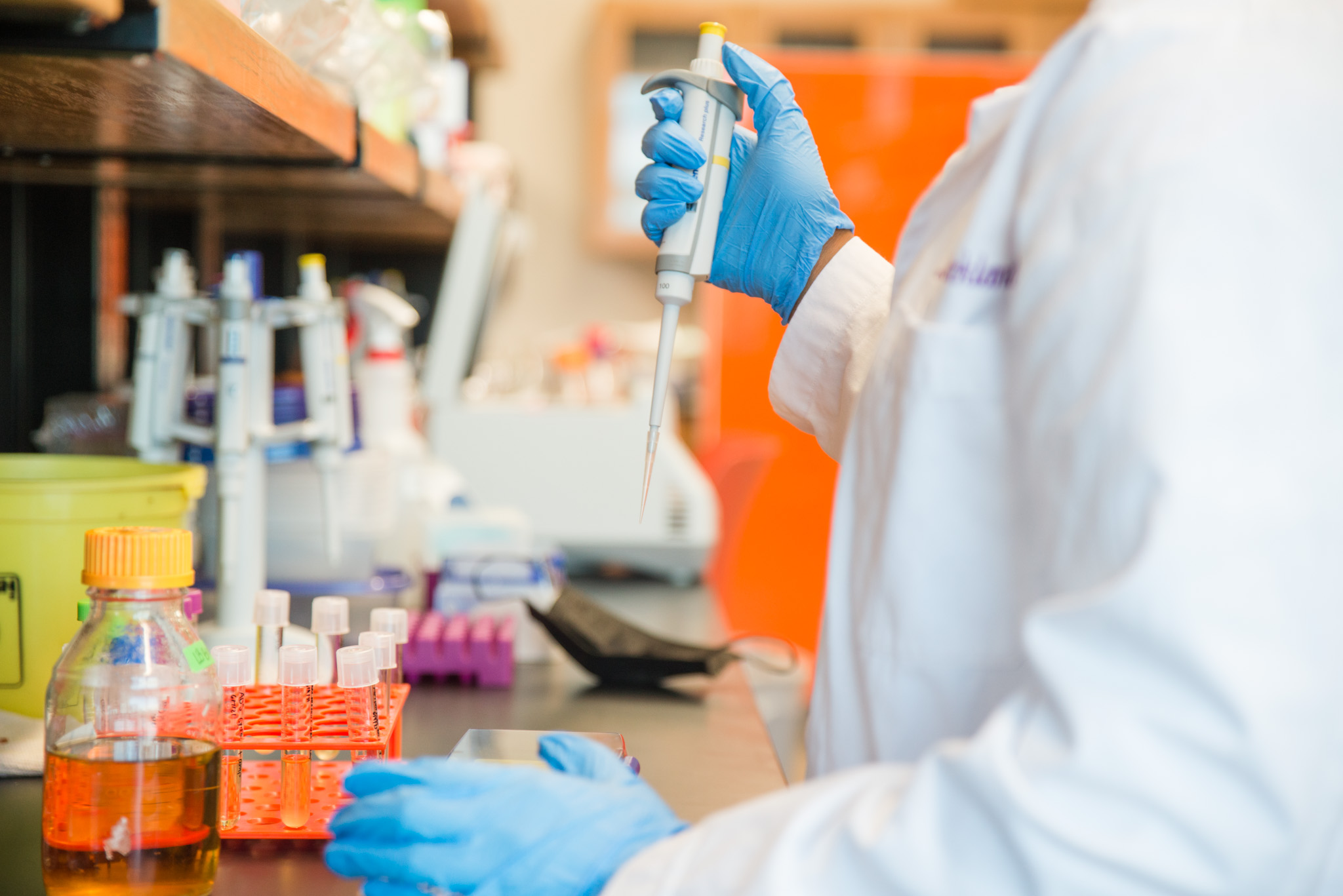
In the field of biomedical research, reagent bottles are indispensable containers in laboratories and are widely used to store various biological samples, culture media, reagents and chemical solutions. Cell culture is one of the core tasks in biomedical research. The sealing of reagent bottles ensures that the culture solution is not contaminated by external factors, while avoiding the volatilization or leakage of reagents during the culture process. Temperature resistance is another key advantage, especially when conducting cell culture or microbial culture, the reagent bottles can withstand the temperature changes that may be involved in the culture process. In addition, the amber bottle design effectively blocks ultraviolet and visible light, protecting light-sensitive chemicals and biological samples from light, which is essential for many biological experiments. By reducing the damage of ultraviolet rays to samples, the amber design helps to ensure the accuracy of experimental data and the stability of reagents, especially in experiments that require long-term storage, which can significantly extend the shelf life of experimental materials.
Pharmaceutical industry
In the pharmaceutical industry, the application of reagent bottles is also crucial, especially in the production of drugs, storage of chemical raw materials and drug research and development. The high temperature resistance of reagent bottles enables them to adapt to high temperature sterilization and disinfection environments, which is essential for the aseptic storage of drugs and the drug production process. Many drugs need to be sterilized at high temperatures during manufacturing and storage to eliminate microbial contamination and ensure the safety of the drugs. Reagent bottles made of polypropylene (PP) not only have high heat resistance, but can also withstand high pressure environments, ensuring that the bottle body will not deform or degrade during high-temperature sterilization. Its chemical stability allows the container to store drug raw materials or chemical reagents for a long time without reaction, avoiding the degradation of drug ingredients. Polypropylene material also has high corrosion resistance, which can effectively prevent chemical reactions between drugs in the container and the container, thereby ensuring that the efficacy of the drug is not affected.

Maybe you have the following questions
Q: 1. Can this container withstand high temperatures?
A: Yes, the material of this container has excellent heat resistance and can remain stable in high temperature environments. In the laboratory, containers often need to undergo high temperature sterilization or autoclaving processes. The high temperature resistance of the container ensures that it will not deform, crack or degrade during these processes, making it very suitable for experimental operations that require high temperature treatment.
Q: 2. Is the container leak-proof?
A: Yes, the container is equipped with a sophisticated sealing system that can effectively prevent any form of leakage. Whether it is during storage, transportation or use, it can ensure that the contents of the container will not leak. This leak-proof design greatly reduces the safety hazards caused by accidental leakage in the laboratory, protects the safety of experimental personnel and the environment, especially during transportation, it can also avoid liquid spillage or contamination.
Q: 3. Is this container suitable for storing photosensitive chemicals?
A: The container adopts a special amber design that can effectively block ultraviolet and visible light. This design is particularly suitable for storing photosensitive chemicals and drugs, because some reagents or drugs may degrade under light. By using this container, researchers can ensure that the reagents will not become ineffective under the influence of light, thereby extending their stability and service life.
Q: 4. Can the container resist corrosion from various chemical reagents?
A: The material used in this container has excellent chemical resistance and can resist the effects of many acids, bases, solvents and other corrosive chemicals. This makes it ideal for storing and handling a variety of chemical reagents, including strong acids, bases and organic solvents. The chemical stability of the container ensures that it will not react with the reagents and will not degrade or break.
Q: 5. Is the container available in multiple volumes?
A: Yes, this container is available in a variety of volumes to meet the needs of different laboratories and applications. From a small volume of 50 ml to a large volume of several liters, researchers can choose the right container based on their actual needs. These different volume options make the container useful in all types of experiments, whether it is storing a small amount of reagents or preparing a large amount of solutions.
Q: 6. Is the container suitable for use in a high-pressure environment?
A: The container is designed with the needs of a high-pressure environment in mind and can work normally under a certain pressure, especially for autoclaving and other experiments that require a high-pressure environment. The material and structure of the container ensure that it will not break or deform under these conditions, ensuring the safety and reliability of the experiment.
Q: 7. Is there a scale on the container? Is it easy to use?
A: Yes, the container is usually designed with clear scale markings. These scales help experimenters to accurately measure and take liquids, improving the accuracy and efficiency of operations. Through the scale, experimenters can easily grasp the amount of liquid and ensure accuracy during the experiment, thereby improving the reliability and consistency of the experiment.
Hot Tags: laboratory bottle reagent, China, suppliers, manufacturers, factory, custom, wholesale, for sale, Round Deep Well Plate, Polypropylene Pipette Tip, 96 Well Pcr Plate, Deep Well Microplates, transparent pcr plate, Lab Pipette Tip


