



Company Profile
As a professional manufacturer in China, we are committed to producing high-quality pipette tip products. We have advanced production equipment and technical teams to ensure that our products meet the highest standards in quality and performance. Our pipette tips undergo rigorous quality control and testing to ensure their stability and precision. We offer various specifications and models of pipette tips to meet the different needs of our customers. Whether in the medical, biotech, laboratory or industrial fields, we provide our customers with quality products and services.
Why choose us?
Advanced equipment
We have advanced production equipment and technical teams to ensure that our products meet the highest standards in quality and performance.
Customized services
Whether in the medical, biotech, laboratory or industrial fields, we provide our customers with quality products and services.
Competitive price
We can provide the OEM and ODM services, with superior cost performance, rich technical resources and top quality and efficiency.
High quality
Our products are manufactured or executed to very high standards, using the finest materials and manufacturing processes.
Related Product

Finntip Filtered Pipette Tips are high-quality pipette tips designed to provide maximum sample protection and purity. These tips are equipped with hydrophobic filters that prevent aerosols and liquid splashes from contaminating the pipette, the sample, or the user.
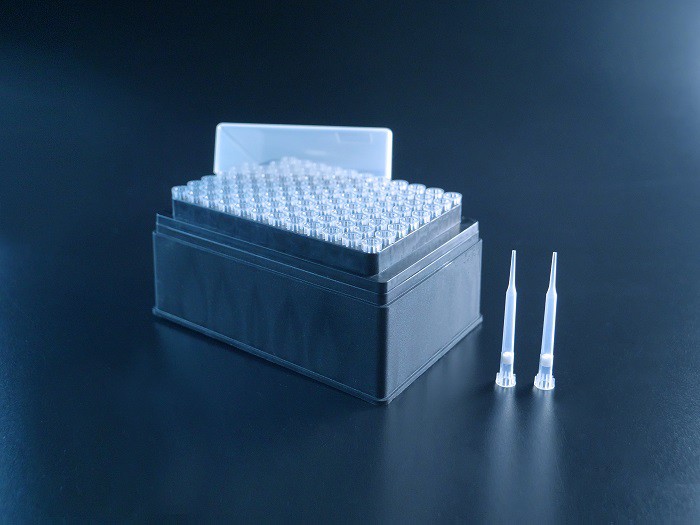
Finntip™ Stepper Pipette Tips are a revolutionary product that is designed to help you take accurate and consistent measurements when pipetting.

Wide bore tips are a type of consumable laboratory tool used to transfer liquids into and out of laboratory equipment, such as pipettes and burettes. They are typically made from a plastic material, such as polypropylene, and are available in various sizes and shapes to meet different laboratory needs.

Finntip Pipette Tips are the ideal solution for pipetting accuracy and precision. They are made from high-quality polypropylene and are designed to fit most pipettes. The tips are highly resistant to chemicals and temperature extremes, making them ideal for a variety of laboratory applications

The rainin pipette tips 200ul are designed to ensure accurate and precise liquid handling. They are made of high-quality polypropylene material, which provides superior strength and durability. With their wide-bore design and ultra-smooth surface, these tips offer superior accuracy, comfort and control.

This rainin pipette tips 1000ul is a high-quality product designed for use in research laboratories, hospital laboratories and other laboratory environments. It is made of durable, high grade plastic for long-term use. It is ideal for accurate and precise measurements and dispensing of liquids. The tips are easy to attach and remove with a wide opening for easy filling and emptying.

The tips rainin are made of high-quality polypropylene, which is a safe and durable material. They can be used with all types of Rainin pipettes and are compatible with most pipettes on the market. The tips are designed to provide a reliable seal with the pipette and to be easy to mount and remove.

Wide Bore Pipette Tips Rainin are quality laboratory tools designed for use with Rainin pipettes. They are made of high-quality plastic, ensuring reliable performance and longer lifetime, and have a wide bore design that allows for more efficient sample transfer. The tips are also autoclavable, making them suitable for use with a variety of applications.
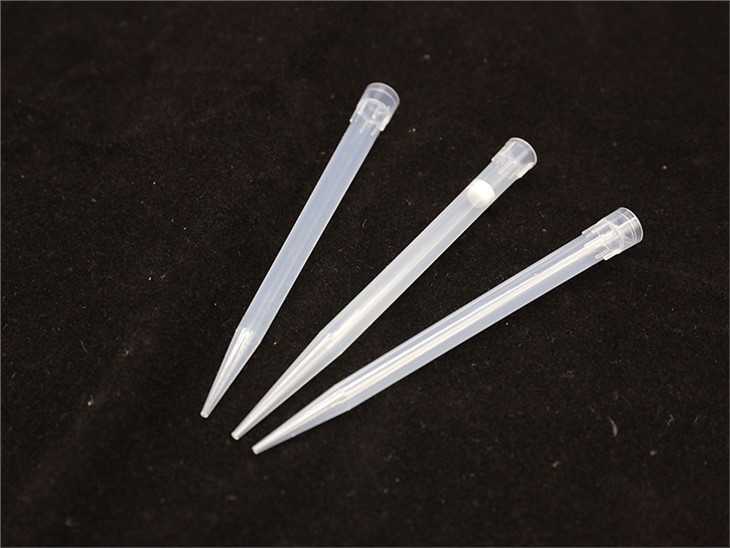
The rainin 5ml pipette tips are a type of lab tool used to precisely transfer liquids in a laboratory setting. They are made of high-quality polypropylene and are non-sterile and disposable. The tips are designed with a conical shape for maximum accuracy and are designed for use with most standard pipettes. They are also designed with a low retention feature which minimizes sample carryover and cross-contamination.
What is Filter Tips 20ul
Filter tips 20ul volume capacity are laboratory consumables used in scientific research, medical laboratories, and other industries where accurate liquid handling is required. They are typically made of polypropylene and have a filter barrier at the tip, which prevents liquid aerosols and contamination from entering the pipette barrel.
Benefits of Filter Tips 20ul
Preventing contamination of pipette
Pipette Tip Filters prevent contamination of the pipette from aerosols formed during transfer of the liquid. Contamination of pipettes not only leads to incorrect test results, but may also lead to temporary or permanent damage of the instrument
Protection of sample liquid
Protection of sample liquid, to be tested, from cross contamination is of paramount importance. Contamination of the sample liquid by any means will lead to the entire process having to be re-done. The porous plastic discs protect the integrity of the liquid in the pipette tip
Saving time and costs
Using Pipette Filter Tips during testing reduces the need for repeated cleaning of the pipette and / or restarting the testing process, both of which require valuable time and monetary resources. Instead it is easier to use filters in the pipette tips
Price effective
The price of the porous plastic Pipette Tip Filters is negligible compared to the benefits it provides
User-friendly
The porous plastic filters can easily be fit into the pipette tips with minimal effort, due to the customized moulding of the filters, saving time and energy
Testing accuracy
Pipette filter tips allow the user to measure the liquid levels precisely during, which is important for many tests.
Protecting the working environment
Besides protecting the pipette and the sample liquid from contamination, the Pipette Tip Filters also prevent the aerosols from the liquid to escape into the atmosphere; ensuring a healthy working environment. This is essential in laboratories and research facilities follow strict quality control standards
Flexibility
In a laboratory, there are multiple tasks to be performed which demands different conditions, materials and methods. Since pipette tips are available in different sizes it acts as an advantage. This flexibility allows the user to find the right pipette tip for any experiment, making things work better and faster.
Types of Filter Tips 20ul
Long tips
Some tips are developed with a long shaft for specific lab applications. These were created with a common laboratory mistake in mind that can cause cross-contamination. Some technicians risk contamination by putting the shaft of a pipette attached to a standard tip into the tube to try to reach the bottom. This practice risks contamination, which can be eliminated by the use of pipette tips with an extended length. They are ideal for lab instruments such as deep well blocks and microcentrifuge tubes.
Short tips
There are two major reasons for the development of short pipette tips. When you are manually pipetting into a multi-channeled, 1536 or 384 well plate, the small tips help to target the smaller wells. Additionally, they allow you to pipette near the bench which reduces the stress on the arm, resulting in improved ergonomics.
Low retention tips
These types of tips are designed to retain a lesser amount of liquid, leading to a more precise and consistent stream of results. However, the cost of these tips is higher than others, so it is recommended to use them strictly for specified applications.
An experiment that compared the practicality of low retention tips with standard tips indicated that each results in an ideal recovery of liquid upon water pipetting. However, upon assessment with low surface tension solution or viscous liquids, there was a significant difference between the results of both.
This means that low retention tips are more appropriate for the highly concentrated solutions or reactive samples. These are ideal for collecting samples during PCR, protein purification, SDS-PAGE, cloning, DNA and RNA applications as well as various protein analysis applications.
Wide bore tips
A cellular sample should never be forced through the narrow opening of a standard tip. These samples are quite fragile and prone to shearing. Use wide bore tips when handling vulnerable cell samples, including cell lines and violent materials. When the sample is transferred through a wider orifice, it prevents resistance in the flow and shearing of the cellular components.
The filters in filter tips are usually made from materials like high-density polyethylene, hydrophobic polypropylene, or ultra-high molecular weight polyethylene, among others. These filters are effective at preventing over-aspiration of liquid into the pipette body and stopping aerosols from entering the tip cone.
Pipette Tip Filters are inserted towards the top of the pipette tips, forming a barrier between the pipette and the liquid to be tested. The porous nature of these porous plastic filters provide a zigzag pathway, which allows free passage of air but helps in capturing tiny particles and aerosols present in the liquid, preventing them from coming into contact with the pipette.
Using pipettes without the Filter Tips will lead to the contamination of the instrument through aerosols (small airborne liquid or solid particles) from the sample liquid. This contamination of the pipette greatly increases the risk of cross-contamination, during the handling of the next sample liquid, resulting in incorrect test results.
In order to get accurate testing results, most testing organizations have started using Pipette Tip Filters.
How to Maintain Filter Tips 20ul
Check whether the pipette tip is clean before use. Failure to properly clean and disinfect pipette tips before use may introduce impurities or bacteria and affect experimental results. Therefore, it is recommended that proper cleaning and disinfection be carried out before use.
You need to choose the correct tip size. Different tip sizes are suitable for different capacity ranges. Improper selection may result in inaccurate aspiration or leakage. Therefore, when choosing to use a tip, the appropriate tip size should be selected based on experimental needs.
The depth of the suction head needs to be controlled. When operating, you should ensure that the depth of the suction head reaches just below the liquid level to avoid inhaling air or initiating foam. In addition, do not insert the tip too deeply, otherwise it may damage the pipette or damage the container.
Pay attention to the pipetting speed. When using pipettes to aspirate and dispense liquids, the speed of aspiration and discharge should be controlled. If the speed is too fast, bubbles or overflow may occur, affecting the experimental results.
The pipetting filter tip needs to be cleaned and maintained in time after use. The suction head should be cleaned immediately after use to remove residual matter or stains. At the same time, in order to maintain the working effect of the pipette, the tips need to be disinfected and replaced regularly.
How to Choose the Right Filter Tips 20ul
Make sure that the material is of high quality
This is the most primary thing to ensure when purchasing a pipette tip. Make sure that the pipette tip you're purchasing has been manufactured using high-quality virgin polypropylene. If the quality is not good, the efficiency of your pipetting will be compromised due to bad retention and less precision. Remember that it's never wise to compromise in quality.
Beware of additives
The next thing to be careful about is metal and plastic and additives that are usually found in blue and yellow tips. These additives can add another hassle to your already demanding job by contaminating your sample. Especially when working with expensive reagents, it's not wise to take any risk as the contamination can cost you considerably. Also, when you're purchasing 20ul filter tips, make sure that the filter is made of polyethylene and is free from additives such as cellulose.
Make sure the mold quality is premium
An injection molding machine is used to manufacture pipette tips. The design of the mold and the quality of the polypropylene being injected into the mold decide the ultimate shape and quality of the tip. Low mold quality can result in oddly sized, un-accurate tips. It's crucial to ensure when purchasing that the mold quality is premium.
Make sure there are no contaminants
If your experiment is sensitive to contamination, eg., microbiological testing, its handling is critical and there is no room for any kind of risks. Even minor contamination of the sample would ruin it which will not only increase your work but will also waste your sample. Therefore, it's better to make sure that you only buy tips that are free of RNase, DNase, DNA, Pyrogen, PCR Inhibitors, and ATP. Make sure that the tips you're purchasing have been certified to be manufactured according to the quality standards and are well suited for pipetting of nucleic amplification, radioactive samples, or other applications requiring critical sample handling. Filter tips for Rainin LTS are an excellent example of this.
Make sure that they're compatible
Compatibility is a crucial factor since not all pipette tips are compatible with every pipettor. Keeping this in mind, you should always make sure that the tip you're purchasing fits your pipettors without having to apply extra force. In easy words, It should fit easily and stay firm in its place without loosening. Most pipette tip manufacturers provide a compatibility chart to help you choose an appropriately fitting tip without getting confused. However, most of the tips are compatible to work with almost every famous pipettor brand globally.
You can try low retention
If your experiments involve handling precious samples or expensive reagents, or it requires highly accurate handling, you must opt for low retention tubes. Just as the name suggests, these tips prevent sticky or viscous samples from retaining onto the inner surface of the tip. The exponentially increasing popularity of these tips is remarkable. However, you should keep in mind that these tips are generally regarded as premium tips and can cost you a bit more than the normal ones. They're indeed well worth the money. The only thing to ensure while purchasing low retention tips is that the tips must not have a secondary process during manufacturing. Secondary processing such as silicone coating can cause compounds leaching from the tip during use.
Certifications


Our Factory
Established in 2016, Biorear is located in Jiaxing, Zhejiang Province, with an area of 16000 ㎡.
Biorear is devoted to development, manufacture, sales and service of consumables in the field of life science and clinical diagnosis. Company has 100k level cleanrooms for injection molding, automation systems for packaging, extraction, special process equipment, optical testing systems, material research ability and automatic inspection instruments developed for different products and application scenarios, which enables us to monitor and measure the quality of different products.


FAQ
Hot Tags: filter tips 20ul, China, suppliers, manufacturers, factory, custom, wholesale, for sale, Polypropylene Pipette Tip, Filter Pipette Tip, V Bottom Deep Well Plate, Red PCR Tubes, Deep Well Plate, Deep Well Microplates