


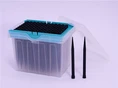


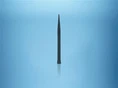


Sterilized pipette tips refer to pipette tips that have undergone a specific sterilization process to achieve a sterile state inside. Common sterilization methods include ethylene oxide sterilization and gamma ray sterilization. Ethylene oxide sterilization uses the ability of ethylene oxide gas to penetrate the packaging and internal structure of the pipette tip, reacting chemically with proteins and nucleic acids in microorganisms, thereby killing bacteria, fungi, viruses and other microorganisms to achieve a sterilization effect. Gamma ray sterilization uses high-energy rays to destroy key structures such as the genetic material of microorganisms to achieve sterilization of the pipette tips. This method will not leave any chemical residues on the surface or inside the pipette tip, is safer and has a reliable sterilization effect.
| Brand | Sterile Keywords | Non-Sterile Keywords |
| Hamilton | Sterile Pipette Tip For Hamilton | Non-Sterile Pipette Tip For Hamilton |
| Sterilized Hamilton Tips | Non-Sterilized Hamilton Tips | |
| Sterile Robotic Tips For Hamilton | Non-Sterile Robotic Tips For Hamilton | |
| Tecan | Sterile Pipette Tip For Tecan | Non-Sterile Pipette Tip For Tecan |
| Sterilized Tecan Tips | Non-Sterilized Tecan Tips | |
| Sterile Automation Tips For Tecan | Non-Sterile Automation Tips For Tecan | |
| Tecan MCA | Sterile Pipette Tip For Tecan MCA | Non-Sterile Pipette Tip For Tecan MCA |
| Sterilized Tecan MCA Tips | Non-Sterilized Tecan MCA Tips | |
| Sterile Robotic Tips For Tecan MCA | Non-Sterile Robotic Tips For Tecan MCA | |
| Agilent | Sterile Pipette Tip For Agilent | Non-Sterile Pipette Tip For Agilent |
| Sterilized Agilent Tips | Non-Sterilized Agilent Tips | |
| Sterile Disposable Tips For Agilent | Non-Sterile Disposable Tips For Agilent | |
| Beckman | Sterile Pipette Tip For Beckman | Non-Sterile Pipette Tip For Beckman |
| Sterilized Beckman Tips | Non-Sterilized Beckman Tips | |
| Sterile Robotic Tips For Beckman | Non-Sterile Robotic Tips For Beckman | |
| Serological Pipette | Sterile Serological Pipette | Non-Sterile Serological Pipette |
| Sterilized Serological Tips | Non-Sterilized Serological Tips | |
| Sterile Disposable Serological Pipette | Non-Sterile Disposable Serological Pipette | |
| Rainin | Sterile Pipette Tip For Rainin | Non-Sterile Pipette Tip For Rainin |
| Sterilized Rainin Tips | Non-Sterilized Rainin Tips | |
| Sterile Disposable Tips For Rainin | Non-Sterile Disposable Tips For Rainin |
Applicable scenarios
Biomedical experiments: In cell culture experiments, in order to avoid external microorganisms from contaminating cells and ensure that cells grow and reproduce in a sterile environment, sterile pipette tips are needed to absorb culture media, cell suspensions, etc. For example, when conducting stem cell culture research, any microbial contamination may change the biological characteristics of stem cells and affect the experimental results. Sterile pipette tips can well ensure the sterile conditions of the experiment.
Clinical diagnostic testing: In the laboratory department of the hospital, when testing patients' blood, urine, cerebrospinal fluid and other body fluid samples, such as testing pathogens and biochemical indicators in the blood, using sterile pipette tips can prevent samples from being contaminated by external microorganisms.
Microbiological research: Whether it is the separation and cultivation of microorganisms such as bacteria and fungi, or the drug sensitivity test of microorganisms, a strict sterile environment is required, and sterile pipette tips are indispensable tools. For example, in the drug sensitivity test for screening new antibacterial drugs, sterile pipette tips can ensure that the absorbed microbial samples and added drug reagents are not interfered by other bacteria.
Packaging features
Sterile pipette tips are usually sealed, and the packaging material has good barrier properties, which can prevent external microorganisms from entering the sterilized pipette tips again. Common packaging forms include independent plastic packaging or rows of sealed packaging, etc. The packaging generally clearly indicates key information such as the sterilization method, sterilization date, and expiration date, so that users can understand the sterilization status and service life of the pipette tips and ensure that the sterile environment can be maintained during the validity period.
Quality control and certification
Manufacturers of sterilized pipette tips need to follow a strict quality management system and conduct quality control processes such as microbial testing before and after sterilization to ensure that the sterilization effect meets the relevant standard requirements. In addition, such pipette tips often need to comply with medical device-related certification standards, such as ISO 11135 (ethylene oxide sterilization-related standards), ISO 11137 (gamma ray sterilization-related standards), etc., to provide users with reliable quality assurance and allow users to rest assured in experiments and testing scenarios with high sterility requirements.
Features and Uses
Non-sterile pipette tips are pipette tips that have not been specially sterilized as mentioned above. The initial state after production only ensures the cleanliness of the raw materials themselves and meets certain physical and chemical performance standards, but may contain a certain number of microorganisms. However, it can still be used in some experimental scenarios where sterility requirements are not high. For example, in ordinary chemical experiments, only some conventional chemical reagents are absorbed, such as sodium chloride solution, hydrochloric acid solution, etc. These reagents themselves are not easily affected by microorganisms, and do not require a sterile environment. The use of non-sterile pipette tips can not only meet the basic operational requirements of liquid pipetting in the experiment, but also reduce costs, because sterilization treatment usually increases the production and sales costs of products.
Applicable scenarios
General chemical analysis: In conventional chemical quantitative analysis experiments, such as acid-base titration, redox titration, etc., as long as the experimental environment and the reagents processed themselves do not have the risk of microbial contamination, non-sterile pipette tips can be used normally. For example, in the school's chemical laboratory, when students conduct basic chemical experiments, it is completely feasible to use non-sterile pipette tips to absorb reagents to complete experimental operations.
Some industrial applications: In some industrial production links, simple liquid sampling, component testing and other operations involved, if strict aseptic conditions are not required, non-sterile tips can also play a role. For example, when the paint manufacturer conducts routine viscosity, pH and other indicators of the finished paint, using non-sterile tips to absorb paint samples will not have a substantial impact on the test results.
Cleaning and pretreatment requirements
Although the non-sterile tips themselves have not been sterilized, in some experimental scenarios with certain requirements for cleanliness, users can clean them by themselves, such as rinsing with deionized water, soaking in a suitable cleaning solution, etc. to remove impurities and some microorganisms that may be attached to the surface, and then drying or drying before use. However, even after such self-cleaning, it is difficult to achieve the same sterility level as sterilized tips, so it is still necessary to reasonably choose to use them according to the actual experimental sterility requirements.