


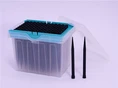





PCR plates, also known as polymerase chain reaction plates, are essential laboratory tools used in molecular biology research and diagnostic testing. These plates serve as solid-phase carriers for conducting PCR reactions, allowing samples to undergo amplification and detection within the confines of individual wells. While commonly associated with PCR instruments, PCR plates exhibit remarkable versatility and find applications beyond standard PCR procedures.
Material and Design: PCR plates are typically made of polypropylene (PP), a material known for its excellent chemical resistance and compatibility with PCR reagents. They are available in various formats, including 96-well, 384-well, and 1,536-well configurations, allowing researchers to accommodate different sample throughput requirements.
PCR Amplification: The primary function of PCR plates is to facilitate PCR amplification reactions by providing a platform for thermal cycling. Each well in the PCR plate contains reagents necessary for the PCR reaction, including DNA template, primers, nucleotides, and DNA polymerase. During thermal cycling, the plate undergoes multiple cycles of denaturation, annealing, and extension, resulting in exponential amplification of the target DNA sequence.
Applications: Beyond traditional PCR applications, PCR plates are utilized in various laboratory procedures, including genotyping, gene expression analysis, mutational analysis, and sequencing. Their versatility extends to applications such as digital PCR, high-throughput screening, and next-generation sequencing library preparation, where precise and reproducible sample handling is crucial.
Storage and Compatibility: PCR plates can also function as microplates for sample storage and processing. The wells of PCR plates are designed to accommodate small volumes of liquid, making them suitable for sample storage and retrieval. Additionally, PCR plates exhibit excellent compatibility with a wide range of laboratory reagents, allowing researchers to perform diverse experimental protocols without concerns about chemical interactions or contamination.
Specialized PCR Plates: In addition to standard PCR plates, specialized variants such as deep-well PCR plates are available for applications requiring larger reaction volumes or extended storage. Deep-well PCR plates feature deeper wells that can hold larger sample volumes and are commonly used for sample preparation, storage, and purification protocols.
Quality Control and Assurance: To ensure reliable and reproducible results, PCR plates undergo rigorous quality control measures, including testing for manufacturing defects, chemical stability, and compatibility with PCR reagents. Proper handling and storage of PCR plates are essential to maintain their integrity and performance.
In conclusion, PCR plates are versatile laboratory consumables that play a crucial role in molecular biology research and diagnostic testing. Their design, material composition, and compatibility with PCR reagents make them indispensable tools for a wide range of applications, from standard PCR amplification to advanced molecular techniques. By understanding the capabilities and applications of PCR plates, researchers can optimize experimental workflows and achieve accurate and reproducible results in their scientific endeavors.