


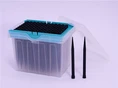


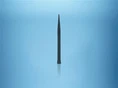


Pipette tips play a pivotal role in laboratory research, enabling scientists to accurately transfer and dispense small volumes of liquid. These conical, hollow-ended plastic accessories are securely installed at the end of pipettes, facilitating the clean aspiration and distribution of liquids. By forming an airtight seal with the pipette, they allow researchers to transfer precise volumes of liquids from one container to another, crucial for ensuring reproducibility and accuracy in experimental procedures.
Primarily constructed from polypropylene, pipette tips are designed for single-use applications, available in various styles and capacities to suit specific pipette models and experimental needs. Their disposable nature minimizes the risk of cross-contamination between samples, safeguarding the integrity of experimental results. After each experimental step, discarding pipette tips prevents potential carryover contamination, maintaining the purity of subsequent samples.
The selection of appropriate pipette tips is paramount, as they directly influence experimental outcomes. Compatibility with the pipette model, sample type, and desired volume range are essential considerations. Additionally, factors such as tip material, surface treatment, and filter options must be evaluated to optimize liquid handling performance and prevent interference with experimental results.
In laboratory workflows, pipette tips are indispensable tools for a wide range of applications, including molecular biology, biochemistry, cell culture, and clinical diagnostics. Whether transferring reagents, aliquoting samples, or conducting assays, precise liquid handling is essential for generating reliable data and achieving reproducible results.
Furthermore, pipette tips contribute to laboratory efficiency by streamlining experimental procedures and minimizing manual errors. Their ergonomic design facilitates comfortable and precise pipetting, reducing operator fatigue and enhancing productivity during long hours of experimentation.
Additionally, features such as racked packaging and color-coded options simplify tip selection and organization, further improving workflow efficiency.
Beyond their functional role, pipette tips also serve as a symbol of laboratory best practices, emphasizing the importance of cleanliness, accuracy, and attention to detail in scientific research. By adhering to proper pipetting techniques and regularly changing tips, researchers uphold the highest standards of experimental integrity and ensure the validity of their findings.
In conclusion, pipette tips are indispensable accessories in laboratory settings, enabling scientists to perform accurate and reproducible liquid handling procedures. Their role in maintaining sample purity, preventing cross-contamination, and enhancing experimental precision underscores their significance in scientific research. By selecting appropriate tips, adhering to best practices, and embracing technological advancements, researchers can harness the full potential of pipette tips to advance knowledge and discovery in various fields of study.