


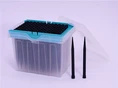





pcr microcentrifuge tubes
UV resistance expansion:
These tubes have excellent UV resistance and can effectively protect DNA and RNA in the sample from UV degradation. UV exposure can cause genetic material to break or denature, thus affecting the accuracy of experimental results. By choosing UV-resistant materials, these centrifuge tubes can provide additional protection in light environments to ensure the integrity of samples. This feature is particularly important, especially when conducting experiments such as gene amplification or molecular cloning, researchers can operate under light sources without worrying about sample degradation, thereby improving the reliability of the experiment.
Low adsorption expansion:
The low adsorption inner wall design is a major advantage of these tubes, which is designed to reduce the interaction between samples and tube walls. This feature ensures that nucleic acids, enzymes and other important components in the reaction mixture will not be adsorbed on the tube wall, thereby maximizing the sample recovery rate. Studies have shown that tube wall adsorption can lead to inconsistent experimental results and sample loss, affecting the reproducibility of the experiment. Therefore, choosing a low adsorption centrifuge tube can effectively improve the effectiveness of the experiment and ensure that researchers obtain accurate and reliable results.
Sterile packaging expansion:
These tubes are usually sterile packaged, which ensures that users get clean test tubes after opening the package, avoiding any potential risk of contamination. Sterility is crucial in biological experiments, especially when dealing with critical biological samples, such as blood or tissue samples. In these cases, any external contamination may lead to experimental failure or data distortion. Therefore, using sterile packaged centrifuge tubes can minimize the risk of cross-contamination, provide a pure environment for the experiment, and ensure the reliability and validity of the experimental results.
Adapt to a wide range of temperature expansion:
These tubes can adapt to a wide range of temperatures, performing well from low-temperature storage to high-temperature PCR reactions. This feature enables it to maintain stability under a variety of experimental conditions and is suitable for different experimental needs. For example, during cold chain transportation and storage, the centrifuge tube can effectively maintain the stability of the sample, and during the PCR reaction, it can withstand thermal cycles up to 95°C. Such temperature adaptability provides greater flexibility for laboratory research, and users can use it with confidence under different experimental conditions to ensure the quality of the sample and the success rate of the experiment.
Sterilization processing capability expansion:
These centrifuge tubes can be sterilized at high temperatures to ensure that experiments are performed under sterile conditions. This feature makes them very suitable for processing biological samples, especially in molecular biology and clinical experiments, where reducing the risk of cross-contamination is particularly important. High-temperature sterilization not only effectively removes microorganisms and other contaminants in the tube, but also ensures that no exogenous contamination is introduced during use. Researchers can confidently conduct sensitive experiments without having to worry about external factors interfering with the results, thereby ensuring the reliability and accuracy of experimental results.
Material composition and features

Molecular Biology Research Expand
These tubes play a vital role in molecular biology research, especially in the application of polymerase chain reaction (PCR) technology. Scientists use these tubes to amplify DNA and RNA for gene cloning, mutation analysis, and gene expression research. By precisely controlling the temperature and reaction conditions in these centrifuge tubes, researchers can quickly obtain the desired DNA fragments. This process not only provides a reliable tool for basic research, but also promotes the development of applied research such as genomics and proteomics, promotes major breakthroughs in the field of biology, and helps scientists deeply understand the functions and interactions of genes.
Clinical Diagnosis Expand
In the medical field, these tubes are widely used for rapid diagnosis of infectious diseases. By amplifying DNA or RNA in biological samples such as blood, saliva or tissues, medical workers can quickly identify pathogens such as bacteria and viruses. This rapid detection method is particularly important during infectious disease outbreaks, providing doctors with timely information to guide clinical treatment decisions and reduce the risk of disease transmission. Especially when responding to emerging infectious diseases, the high sensitivity and specificity of PCR technology enables the medical system to more effectively monitor and control the epidemic, providing strong support for public health. In addition, the sterile design of the PCR microcentrifuge tube ensures that cross contamination is avoided as much as possible during sample processing, further improving the accuracy and reliability of the test results.

Application areas of pcr microcentrifuge tubes
Molecular Biology Research Expand
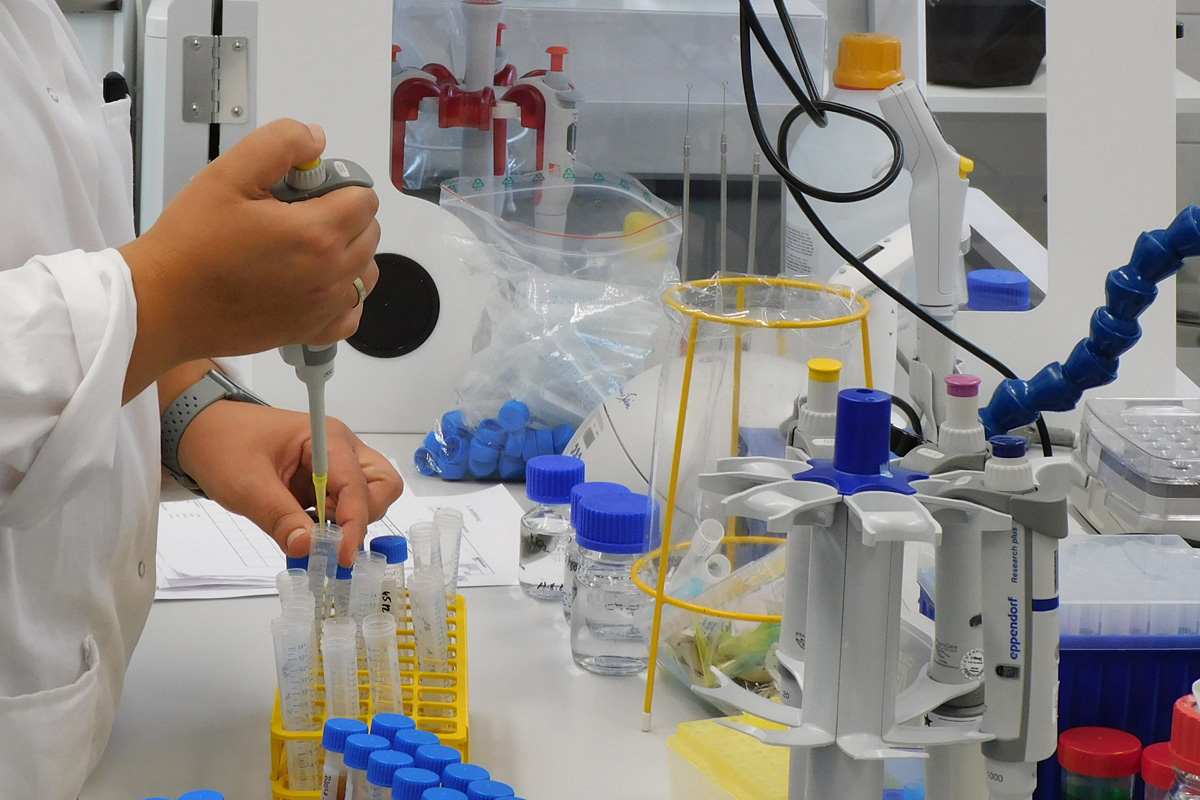
These tubes tubes play a vital role in molecular biology research, especially in the application of polymerase chain reaction (PCR) technology. Scientists use these tubes to amplify DNA and RNA for gene cloning, mutation analysis, and gene expression research. By precisely controlling the temperature and reaction conditions in these centrifuge tubes, researchers can quickly obtain the desired DNA fragments. This process not only provides a reliable tool for basic research, but also promotes the development of applied research such as genomics and proteomics, promotes major breakthroughs in the field of biology, and helps scientists deeply understand the functions and interactions of genes.
Clinical Diagnosis Expand
In the medical field, these tubes tubes are widely used for rapid diagnosis of infectious diseases. By amplifying DNA or RNA in biological samples such as blood, saliva or tissues, medical workers can quickly identify pathogens such as bacteria and viruses. This rapid detection method is particularly important during infectious disease outbreaks, providing doctors with timely information to guide clinical treatment decisions and reduce the risk of disease transmission. Especially when responding to emerging infectious diseases, the high sensitivity and specificity of PCR technology enables the medical system to more effectively monitor and control the epidemic, providing strong support for public health. In addition, the sterile design of the PCR microcentrifuge tube ensures that cross contamination is avoided as much as possible during sample processing, further improving the accuracy and reliability of the test results.

Maybe you have the following questions
1: What is the material of this product?
This product is usually made of high-quality polypropylene material, which has excellent heat resistance and chemical stability. It can withstand temperatures up to 95°C and is suitable for various experimental conditions.
2: Can it be sterilized at high temperatures?
Yes, this product is designed for use in high-temperature environments and can withstand high-temperature sterilization. This feature ensures that users can operate under sterile conditions when conducting experiments, reducing the risk of cross-contamination.
3: What are the options for its capacity?
This product usually provides a variety of capacity options, with common specifications such as 0.2 ml and 0.5 ml. Users can choose the appropriate capacity according to experimental needs to obtain the best results in different experiments.
4: Is this product suitable for gene amplification experiments?
Absolutely. This product is specially designed for gene amplification technologies such as polymerase chain reaction (PCR), which can effectively support the amplification process of DNA and RNA, ensuring the accuracy and reliability of experimental results.
5: Can sterile packaging be provided?
Yes, this product is usually provided in sterile packaging, ensuring that users can obtain clean test tubes after opening the package to avoid potential contamination risks. This is essential for conducting precision experiments.
6: Does it have low adsorption?
The inner wall of this product is designed to have low adsorption, which can effectively reduce the interaction between the sample and the tube wall. This feature ensures that nucleic acids and enzymes in the reaction mixture will not be adsorbed on the tube wall, thereby improving the recovery rate of the sample.
7: Can it be used in environmental monitoring?
Yes, this product is also suitable for the field of environmental monitoring. Researchers can use it to detect microorganisms in soil and water samples, analyze the ecological status of samples, and help assess the health of the environment.
Hot Tags: pcr microcentrifuge tubes, China, suppliers, manufacturers, factory, custom, wholesale, for sale, Universal Pipette Tip, Pipette Tip With Filter, Pcr Tubes For Qpcr, Lab Plastic Pcr Tubes, Deep Well Plate, Plastic Universal Tip


