


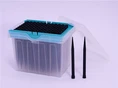





polypropylene pipettes
Excellent chemical resistance: These pipettes are resistant to a wide range of chemical substances, including strong acids, strong bases, and organic solvents, due to their high-quality material properties. Whether handling corrosive reagents, cell culture media, or other chemical experiments, pipettes can maintain their structural integrity and stability. This chemical resistance ensures the long-term durability of pipettes in various complex experimental environments, while avoiding experimental contamination and inaccurate results caused by material degradation.
Heat resistance and autoclavability: Polypropylene materials have excellent heat resistance and can withstand high-temperature and high-pressure sterilization processes up to 121°C without deformation or performance degradation. This high-temperature resistance allows pipettes to perform well in experimental environments that require frequent sterilization, especially in biological experiments and clinical applications, to ensure that sterile conditions are maintained during the experiment. In addition, the structural design of these pipettes can ensure that their mechanical strength and volume stability are maintained under high temperature and pressure, providing reliable support for experiments.
Low adsorption: Polypropylene materials have low liquid adsorption, which means that the residual amount of samples during use is extremely low. Low adsorption not only reduces sample loss, but also reduces the risk of cross-contamination between samples. It is especially suitable for experimental operations that require high precision and high reliability, such as PCR reactions, gene sequencing, and drug analysis. This feature makes the experimental results more reliable and more reproducible.
Transparency and visibility: These pipettes usually have good transparency, which allows experimenters to clearly observe the volume and state of the liquid, ensuring the accuracy of liquid separation and the ease of operation. This transparency is particularly important in experiments that require precise liquid handling, which can effectively reduce operational errors and improve experimental efficiency.
Material composition and features
These pipettes are mainly made of high-quality polypropylene (PP) materials. Polypropylene is a thermoplastic polymer with excellent physical and chemical properties. It is widely used in laboratory consumables due to its heat resistance, chemical resistance and high mechanical strength. The body of the pipette is usually formed in one piece through the injection molding process, which ensures the structural integrity and consistency of the product. The low adsorption of polypropylene material makes the inner wall of the pipette very smooth and the liquid residue is extremely low, which is particularly important for accurate measurement and dispensing. In addition, the high transparency of these pipettes allows experimenters to clearly observe the flow and volume of liquid during use, enhancing the convenience and accuracy of operation.


The design of the pipette not only takes into account the excellent properties of the material, but also fully considers its functionality in actual use. The tube body usually has scale markings, which are laser engraved or molded to make the scale clearly visible and wear-resistant. In addition, the tip design of the pipette is optimized to ensure that the liquid flows out accurately and smoothly, reducing the occurrence of errors. Some pipettes are also equipped with special filters to prevent sample contamination or internal contamination of the pipette. This design is particularly suitable for highly sensitive biological experiments. Overall, the structure of the polypropylene pipette is constantly refined, which not only ensures the high performance of the material, but also takes into account the convenience and safety in use.
Application areas of polypropylene pipettes

Clinical diagnosis: In clinical diagnosis experiments, these pipettes are key experimental tools used in a variety of testing projects such as blood tests, urine analysis and immunoassays. Its main features include excellent non-contamination design and high heat resistance, which allows it to remain sterile under high temperature and high pressure sterilization conditions, ensuring that sample handling during the experiment is free from external contamination. The non-contamination feature is particularly important because in clinical diagnosis, any minor contamination may affect the accuracy and reliability of the test results. In addition, the design of the polypropylene pipette also ensures the precise distribution of liquids, which can effectively avoid cross-contamination between samples. Its high heat resistance enables it to adapt to the sterilization requirements of the laboratory, ensuring that each experiment is carried out under strict sterile conditions, thereby improving the accuracy of the test and the credibility of the results.
Food safety testing: In the field of food safety testing, these pipettes are widely used for sample distribution and processing. Its non-contamination design ensures that food samples are not contaminated by foreign substances during processing, which helps to obtain accurate test results. The high-precision function of the product enables it to maintain consistency in liquid volume when processing samples, thereby reducing analytical errors. Whether testing for harmful substances, additives or contaminants in food, these pipettes can effectively distribute samples and help laboratories achieve accurate testing and analysis. Its chemical resistance and high temperature tolerance enable it to handle a variety of food samples and reagents while meeting the strict requirements of food safety testing. These features ensure the efficiency and accuracy of the food testing process and provide reliable technical support for ensuring food safety.
Maybe you have the following questions
1: Will this pipette maintain stable performance after high temperature sterilization?
Yes, the material used in this pipette has excellent high temperature resistance and can withstand the high temperature and high pressure sterilization process of 121°C without deformation or degradation. After high temperature sterilization, the pipette can maintain its structural integrity and functional stability. This high temperature resistance makes it perform well in experimental environments that require frequent sterilization, ensuring strict aseptic conditions during the experiment.
2: Is it suitable for handling various chemical reagents, including acids, bases and organic solvents?
Absolutely applicable. The material of this pipette has excellent chemical resistance and can withstand a wide range of chemical reagents, including strong acids, strong bases and organic solvents. This chemical resistance ensures that the pipette will not degrade or react when handling various chemical reagents, thereby ensuring the safety of the experiment and the accuracy of the data.
3: How to ensure that no sample contamination is introduced when using this pipette?
The design of this pipette has been strictly sterilized to ensure that no external contamination is introduced during use. The material itself is free of DNase, RNase and pyrogen contamination, suitable for experiments with extremely high requirements for sample purity. The non-contamination design effectively reduces the risk of sample cross-contamination, thereby improving the accuracy and reliability of experimental results.
4: Is the pipette suitable for use in precision experiments?
Yes, this pipette is precisely designed to ensure high precision of each dispensing. Whether it is used for molecular biology research or drug testing, it can provide accurate volume dispensing. This high-precision dispensing ability reduces errors and ensures the repeatability and reliability of experiments.
5: Is this pipette compatible with different brands and models of equipment on the market?
Yes, the design of the pipette takes into account a wide range of compatibility and is compatible with a variety of brands and models of equipment on the market. Whether it is manual operation or automated system, the pipette can work perfectly with it to ensure the smooth operation of the experiment. This compatibility provides more choices and flexibility for the laboratory.
6: Is it suitable for use in experiments with high biosafety requirements?
Absolutely suitable. The sterile design and high-performance materials of the pipette ensure that it performs well in experimental environments with high biosafety requirements. Whether it is cell culture or clinical diagnosis, it can provide reliable support and maintain strict sterile conditions to protect biological samples in experiments.
7: How to ensure the consistency and traceability of the purchased pipette batches?
Each batch of pipettes is accompanied by an independent batch number for easy tracking and management. This batch identification system ensures the traceability of each batch of products and helps laboratories quickly locate problem batches when needed. Traceability improves the transparency of the experimental process and provides a strong guarantee for product quality control.
Hot Tags: polypropylene pipettes, China, suppliers, manufacturers, factory, custom, wholesale, for sale, Round Deep Well Plate, Lab Pipette Tip, 96 Transparent Pcr Plate, plastic PCR Tubes, 96 well Pcr Microplate, 0 2ml Pcr Tubes


