


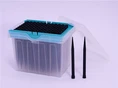


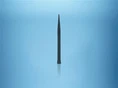


Mainly made of polystyrene (PS) or polypropylene (PP), it has high transparency, chemical stability and high temperature resistance. Some products are sterilized by gamma rays to ensure sterility.
High precision: used with serological pipettes to ensure accurate liquid measurement and distribution.
Sterile and pyrogen-free: most products are sterilized by gamma irradiation and are suitable for sterile experiments such as cell culture.
Safe materials: made of medical-grade polypropylene (PP) or polystyrene (PS), free of DNAse, RNAse and endotoxin contamination.
Strong compatibility: compatible with mainstream brands of serological pipettes.
Low adsorption design: reduces liquid residue and improves sample recovery rate.


Cell culture: transfer of culture medium, serum, and cell suspension.
Molecular biology: distribution of PCR reagents and buffers.
Clinical testing: processing of body fluid samples and diagnostic reagents.
Pharmaceutical industry: sterile preparation and drug production.
Serological Pipette Tip manufacturer
Cutting-edge technology strength
Focusing on the fields of life sciences and clinical diagnosis, it has the ability to develop automated testing instruments and special environment simulation technology, providing high-precision quality monitoring solutions.
Full industry chain coverage
Integrating R&D, manufacturing, and sales services, from consumables to special processing equipment and optical detection systems, providing one-stop product and technology solutions.

Strict quality assurance
Adopting advanced technology and strict quality control standards to ensure the reliability and stability of consumables under extreme conditions, and meet the high standards of global customers.
Innovation-driven development
Continuously break through special process equipment and automated detection technology to provide cutting-edge products and service support for the fields of life sciences and clinical diagnosis.
FAQ
What is the difference between Serological Pipette Tip and ordinary pipette tip?
Serological Pipette Tip is designed for large-volume liquid transfer and is suitable for serological pipettes. It is suitable for rapid dispensing of culture medium, serum and other liquids. Some of them contain filters to prevent aerosol contamination and are usually required to be sterile; ordinary pipette tips are mainly used for micropipettes, suitable for precise small-volume operations, and most are non-sterile. Serological pipette tips are longer and wider, and the material may be more resistant to chemical corrosion, while ordinary pipette tips focus on high precision and low adsorption. The application scenarios and designs of the two are significantly different, and they need to be selected according to experimental needs.
How to choose a suitable Serological Pipette Tip?
When choosing, you need to consider the capacity matching the pipette range, sterile experiments require sterilized pipette tips, filter cartridges are selected for volatile liquids, and the material is preferred to be chemically resistant polypropylene (PP), and ensure compatibility with the pipette brand to prevent leakage. In addition, the low adsorption design can reduce residues, high-precision experiments require clear scale pipette tips, and large-scale dispensing can consider lower-cost bulk models, and make a comprehensive choice based on experimental needs and budget.
Can Serological Pipette Tips be reused?
Reuse is not recommended, as it may cause cross-contamination, reduced accuracy and difficulty in sterilization. The exception is that it can be reused for a short period of time when it is only used for the same non-sensitive reagent and there is no strict sterility requirement, but the risk needs to be assessed. Most laboratories follow the disposable principle to ensure data reliability. Especially when it comes to molecular biology or clinical samples, reuse will significantly increase the risk of experimental failure.
Why do some Serological Pipette Tips contain filters?
Filters (Aerosol Barrier) are used to prevent aerosol contamination, protect pipettes from corrosive vapor damage, and avoid cross-contamination. Filters may increase pipetting resistance and require adjustment of operating force, but their protective value is indispensable in biosafety laboratories or volatile reagent operations, and is an important guarantee for experimental safety.
How to avoid liquid residue in Serological Pipette Tips?
Residual can be effectively reduced by pre-rinsing, slow aspiration and release, choosing low-absorption pipette tips, vertical pipetting and checking air tightness. In addition, for high-viscosity liquids, reverse aspiration can be performed, pressing to the second gear first and then aspirating to improve accuracy. These techniques can significantly improve experimental repeatability and data reliability.
What are the sterilization methods for Serological Pipette Tips?
Common sterilization methods include gamma irradiation, which is highly efficient and residue-free, suitable for disposable sterile pipette tips, ethylene oxide, EO, suitable for non-irradiation-resistant plastics but requires ventilation to remove residues and high-pressure steam, and a few high-temperature resistant pipette tips can be used, but may be deformed. Users need to confirm the sterilization method marked on the product. Cell culture must choose sterile packaging, while routine experiments can choose non-sterile or self-sterilizing pipette tips according to needs to ensure experimental safety and cost balance.
Hot Tags: serological pipette tip, China, suppliers, manufacturers, factory, custom, wholesale, for sale, Lab Pipette Tip, Aerosol Barrier Pipette Tip, 2ml Deep Well Plate, Sterile Pipette Tip, 96 Well plate, Sterile Filter Tip


