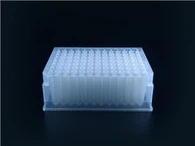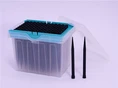





Products Description
Lab Reagent Bottles: Safeguarding Purity and Precision in Scientific Laboratories
A lab reagent bottle is an essential tool for any scientific laboratory. These specialized containers are designed to safely store and dispense a wide range of chemical reagents, ensuring their purity and preventing contamination within the laboratory environment.
One of the most important features of a lab reagent bottle is its construction material. These bottles are typically made of high-quality glass or plastic that has been specifically formulated to resist chemical reactions with common reagents. This ensures that the stored chemicals remain pure and unadulterated, maintaining their efficacy for use in experiments and tests.
In addition to their construction material, lab reagent bottles often feature special closures that prevent accidental spillage or exposure to air and other contaminants. Many bottles have screw-top lids with airtight seals or stoppers that can be securely pressed into place by a laboratory technician. These closures help prevent inadvertent contamination of the reagents and ensure that they remain stable and potent for use in future experiments.
When selecting a lab reagent bottle, it is important to consider the specific needs and requirements of the laboratory and the chemicals being stored. For example, some chemicals may require a particular type of closure or a container that is resistant to specific types of interactions. Additionally, glass bottles may be preferred for certain applications due to their transparency and chemical resistance.
Overall, a lab reagent bottle is a critical component of any laboratory, ensuring the safe and effective storage and dispensing of chemical reagents for use in experiments and tests. By selecting high-quality bottles with appropriate closures, laboratory technicians can help prevent contamination and ensure the purity and efficacy of their reagents for years to come.
Products Picture
Product Advantages:
A lab reagent bottle is a fundamental tool for any scientific laboratory. These specialized containers are designed to safely store and dispense a wide range of chemical reagents, ensuring their purity and preventing contamination within the laboratory environment. The benefits of using a lab reagent bottle include:

Reagent bottles are common containers in chemical laboratories used to store and distribute laboratory reagents. Their designs are usually leak-proof and corrosion-proof, provide convenient drip control, and ensure experimental accuracy.

The 250 ml reagent bottle is a laboratory essential, designed for safe storage and precise dispensing of chemicals, solvents, and reagents. Its chemical-resistant material, wide mouth for easy access, and secure sealing make it a versatile choice in scientific research, analysis, and experimentation. Ideal for maintaining reagent purity and laboratory efficiency.


Lab Reagent Bottle Application
Biomedical Research: Lab reagent bottles are fundamental in biomedical research laboratories, serving as vessels for storing and dispensing various reagents critical to experiments. Whether preserving enzymes, antibodies, or chemical solutions, these bottles ensure the integrity of substances vital for medical advancements, diagnostic tests, and pharmaceutical developments.
Pharmaceutical Manufacturing: In pharmaceutical manufacturing, lab reagent bottles play a pivotal role in storing and handling essential chemicals and reagents. From raw material storage to the precise measurement of components, these bottles contribute to the formulation of pharmaceutical products, adhering to stringent quality and safety standards.


Product Parameters
Our company is committed to the research and development, manufacturing, sales and service of consumables in the field of life sciences and clinical diagnosis; special process equipment, optical testing systems, systems that simulate the stability impact of special circumstances, and multiple automated developments for different products and application scenarios. , a variety of testing instruments have been developed to monitor and measure the quality of different products.
Our company is proud of its reagent bottle product line with a wide variety of specifications to meet a wide range of experimental and application needs. We offer reagent bottles in a variety of capacities, shapes and materials, from small research to large-scale industrial use, ensuring customers can select precisely the specifications that suit their project. This versatility provides customers with a high degree of flexibility and customization to ensure efficient storage and use of reagents and experimental materials. Whether you are engaged in research and experimentation in chemistry, pharmaceuticals, bioscience, or other fields, we have a reagent bottle format to suit your needs.
| Item number | Product name | unit | Package |
| G4-22 | 4ml HDPE/PP wide mouth bottle | box | 200 pieces/pack; 10 packs/box |
| G8-22 | 8ml HDPE/PP wide mouth bottle | box | 100 pieces/pack; 10 packs/box |
| G15-23 | 15ml HDPE/PP wide mouth bottle | box | 100 pieces/pack; 10 packs/box |
| G30-23 | 30ml HDPE/PP wide mouth bottle | box | 100 pieces/pack; 10 packs/box |
| G60-23 | 60ml HDPE/PP wide mouth bottle | box | 50 pcs/pack; 10 packs/box |
| G125-23 | 125ml HDPE/PP wide mouth bottle | box | 25 pcs/pack; 10 packs/box |
| G250-23 | 250ml HDPE/PP wide mouth bottle | box | 20 pcs/pack; 10 packs/box |
| G500-23 | 500ml HDPE/PP wide mouth bottle | box | 10 pcs/pack; 10 packs/box |
| G1000-23 | 1000ml HDPE/PP wide mouth bottle | box | 5 pcs/pack; 10 packs/box |
FAQ:
- What is a lab reagent bottle?
- What materials are lab reagent bottles made from?
- What is the typical capacity range for lab reagent bottles?
- Are lab reagent bottles airtight?
- Can lab reagent bottles be autoclaved?
- What types of closures are used for lab reagent bottles?
- Are lab reagent bottles resistant to chemical reactions?
- Can lab reagent bottles be used for long-term storage?
- What is the purpose of amber-colored lab reagent bottles?
- Are lab reagent bottles suitable for volatile chemicals?
- Do lab reagent bottles come with labels for identification?
- Can lab reagent bottles be recycled?
- Are there specific guidelines for cleaning lab reagent bottles?
- Can lab reagent bottles be used for solvent storage?
- Are there regulations for transporting lab reagent bottles?
- Can lab reagent bottles be used for biological samples?
- Do lab reagent bottles come with dispensing features?
- Can lab reagent bottles withstand extreme temperatures?
- What is the recommended method for disposing of lab reagent bottles?
- Are there specialized lab reagent bottles for specific industries?
1.What is a lab reagent bottle?
A lab reagent bottle is a container designed for storing and dispensing laboratory reagents, chemicals, or other liquid substances used in scientific experiments.
2.What materials are lab reagent bottles made from?
Lab reagent bottles are crafted from diverse materials, including glass, plastic, or high-quality polymers. The material choice depends on compatibility with stored substances, ensuring chemical resistance and maintaining the stability and integrity of laboratory reagents. Glass bottles are commonly used for their inert nature, while plastic and polymer bottles offer lightweight and shatter-resistant alternatives suitable for specific applications in laboratories. The material selection is crucial to prevent undesirable interactions between the container and the stored reagents, ensuring the accuracy and reliability of scientific experiments.
3.What is the typical capacity range for lab reagent bottles?
Lab reagent bottles come in various capacities, ranging from small volumes like 30ml for precision work to larger capacities exceeding 2 liters for bulk storage. This diverse range accommodates the specific needs of different laboratory applications.
4.Are lab reagent bottles airtight?
Many lab reagent bottles are designed to be airtight or have screw caps with seals to prevent the entry of air, moisture, or contaminants, ensuring the stability of stored reagents.
5.Can lab reagent bottles be autoclaved?
Yes, several lab reagent bottles are autoclavable, allowing them to withstand high-temperature sterilization processes common in laboratories.
6.What types of closures are used for lab reagent bottles?
Lab reagent bottles feature various closures, including screw caps, stoppers, or dropper assemblies. The choice depends on the specific needs of the contents, ensuring airtight seals and preventing contamination. Screw caps provide secure closure, stoppers are common for glass bottles, and dropper assemblies offer controlled dispensing for precise applications. The diverse closure options cater to the varied requirements of different laboratory reagents and substances.
7.Are lab reagent bottles resistant to chemical reactions?
Lab reagent bottles are often made from chemically resistant materials to ensure they do not react with or contaminate the stored reagents.
8.Can lab reagent bottles be used for long-term storage?
Yes, lab reagent bottles are suitable for long-term storage of reagents, provided the material is compatible, and proper storage conditions are maintained.
9.What is the purpose of amber-colored lab reagent bottles?
The purpose of amber-colored lab reagent bottles is to provide protection against light-sensitive substances. The amber hue helps prevent degradation caused by exposure to light, ensuring the stability and integrity of the stored reagents, especially those susceptible to photodecomposition. This protective feature is crucial in maintaining the quality and reliability of light-sensitive materials in laboratory settings.
10.Are lab reagent bottles suitable for volatile chemicals?
Lab reagent bottles made from materials resistant to volatile chemicals are recommended for the safe storage of such substances.
11.Do lab reagent bottles come with labels for identification?
Many lab reagent bottles feature writable surfaces or come with pre-attached labels for easy identification of contents.
12.Can lab reagent bottles be recycled?
Depending on the material, many lab reagent bottles can be recycled, contributing to environmentally friendly laboratory practices.
13.Are there specific guidelines for cleaning lab reagent bottles?
Yes, manufacturers provide guidelines for cleaning lab reagent bottles, often recommending methods such as rinsing, washing, or autoclaving.
14.Can lab reagent bottles be used for solvent storage?
Lab reagent bottles made from solvent-resistant materials are suitable for storing various solvents used in laboratory applications.
15.Are there regulations for transporting lab reagent bottles?
Transport regulations vary, but lab reagent bottles must generally adhere to safety standards, especially for hazardous or regulated substances.
16.Can lab reagent bottles be used for biological samples?
Some lab reagent bottles are specifically designed for the storage of biological samples, featuring a leak-resistant design and sterile options.
17.Do lab reagent bottles come with dispensing features?
Yes, certain lab reagent bottles are equipped with dispensing mechanisms, such as dropper tips or pumps, for precise and controlled dispensing.
18.Can lab reagent bottles withstand extreme temperatures?
Lab reagent bottles made from materials like borosilicate glass can withstand a wide range of temperatures, making them suitable for diverse lab environments.
19.What is the recommended method for disposing of lab reagent bottles?
The recommended method for disposing of lab reagent bottles depends on the material. Many bottles can be recycled, following standard laboratory waste disposal protocols. It's essential to adhere to local regulations and guidelines for handling hazardous or contaminated substances. Proper cleaning and labeling, if applicable, are often prerequisites for safe disposal. Manufacturers' instructions and Material Safety Data Sheets (MSDS) should be consulted to ensure compliance with disposal procedures and environmental considerations.
20.Are there specialized lab reagent bottles for specific industries?
Yes, there are lab reagent bottles designed for specific industries, such as pharmaceuticals, chemistry, or biotechnology, with features tailored to unique requirements.
Hot Tags: lab reagent bottle, China, suppliers, manufacturers, factory, custom, wholesale, for sale