







96 square deep well plate
Number of wells and structure
This product has 96 square wells, designed for efficient experiments. The capacity of each well is usually between 1.2 ml and 2.5 ml, which can meet the needs of a variety of experiments. This design allows researchers to conduct multiple experiments at the same time when processing samples, greatly improving work efficiency. The size and shape of each well are precisely calculated to ensure that the samples in it achieve the best mixing and reaction effect, which is suitable for a variety of experiments such as cell culture, enzyme reaction, chemical reaction, etc.
In addition, the well arrangement of the deep well plate is also carefully designed, and experimental equipment such as pipettes can be easily used during operation. This high-density well layout is suitable for high-throughput screening, allowing researchers to test a large number of samples in a short time, thereby speeding up the experimental process. The deep well design also effectively reduces sample evaporation, especially when conducting long experiments, and can maintain the stability and integrity of the sample.
During sample processing, the square well design of this product makes sampling and adding reagents more convenient, and researchers can operate intuitively to avoid cross-contamination and sample errors. In addition, the deep well plate is also compatible with a variety of experimental equipment, such as microplate readers and automated liquid handling systems, which is very valuable for application in modern laboratories.
Compatibility
The compatibility of this product is one of its key features, making it an indispensable tool in the modern laboratory. This deep-well plate design is highly compatible with a variety of laboratory equipment, including microplate readers, pipettes, and automated processing systems. Its standardized size and well layout ensure seamless connection with most laboratory equipment, greatly facilitating sample handling and data collection during experiments.
First of all, this product can be used effectively with microplate readers. Researchers can easily place the deep-well plate into the reader to measure the optical density of the sample and perform data analysis. This compatibility makes the data collection process more efficient, enabling rapid access to experimental results and saving a lot of time.
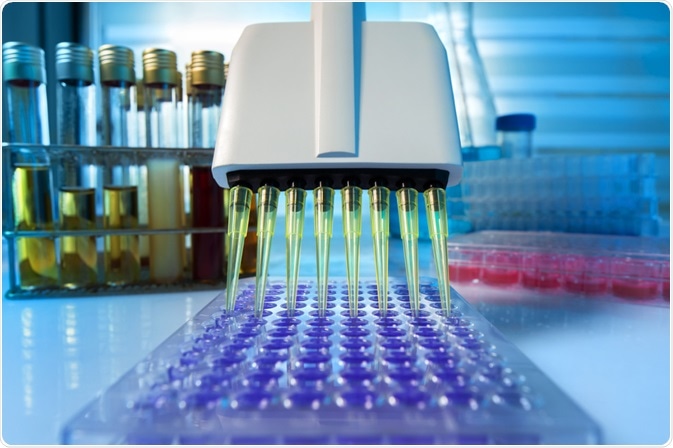
In addition, the compatibility of deep-well plates with pipettes also facilitates the addition and removal of samples. Researchers can use multichannel pipettes to process multiple wells at the same time, greatly improving the efficiency of experiments. This efficient liquid handling method is particularly suitable for high-throughput screening, which can complete the operation of a large number of samples in a short time.
This product also performs well in automated processing systems. Many laboratories use automated equipment for sample processing and analysis, and this deep-well plate can be well adapted to these systems, making the entire experimental process smoother. Automated liquid handling equipment can accurately control the addition, mixing and distribution of samples, reduce errors caused by human operation, and improve the reliability of experiments.
Features and advantages of deep-well plate materials

Materials
This product is usually made of high-quality polystyrene or polypropylene. These materials not only have excellent transparency, but also can withstand chemical corrosion and temperature changes that may be encountered during the experiment. Polystyrene has good optical properties, allowing researchers to clearly observe the state of the sample in the well, which is convenient for real-time monitoring of the progress of the experiment. At the same time, the non-toxic nature of this material ensures safety in biological experiments, making it an ideal choice for applications such as cell culture and enzyme reactions.
Polypropylene material provides higher chemical resistance and can resist corrosion from a variety of acids, bases and organic solvents, ensuring that it is not easily damaged during complex experiments. This feature makes deep-well plates also perform well in chemical experiments and can meet rigorous experimental needs. In addition, the low adsorption characteristics of this material help to reduce sample loss and ensure the accuracy and repeatability of experimental results. In summary, the high-quality material composition provides an excellent performance foundation for this product and supports the smooth progress of various experiments.
Durability
This product can maintain stability under experimental conditions. The deep-well plate is precisely designed and strictly quality controlled during the manufacturing process to ensure that it is not easy to break or deform during use. This durability enables it to maintain good performance in high temperature, low temperature or high pressure environments, and adapt to the needs of different experimental conditions.
In actual operations, researchers often need to quickly add, remove and mix samples, and the high strength of the deep-well plate ensures that it is not easy to break during these processes. Especially in high-throughput screening applications, the simultaneous operation of 96 wells may place high demands on equipment and materials, and the durability of this deep-well plate ensures that each well can function stably, avoiding experimental interruptions caused by equipment failure.

In what fields can this deep well plate be applied?

Application in biomedical research
In the field of biomedical research, this product is widely used and has become one of the basic tools for researchers to conduct experiments. First, the deep-well plate is very suitable for cell culture. In each well, researchers can choose different cell lines for experiments, which allows multiple cell types to be compared and analyzed in the same experiment. For example, scientists can culture cancer cells, normal cells, and other types of cells in different wells to evaluate the specific effects of drugs on these cells.
Second, this product also plays an important role in gene expression analysis. By adding different reagents and induction factors to the wells, researchers can observe the changes in gene expression of cells under different conditions. This method can not only improve the high throughput of the experiment, but also quickly obtain a large amount of data, which is convenient for subsequent bioinformatics analysis.
In addition, the design of this product supports multiple experiments, making the experimental process more efficient. For example, researchers can test multiple experimental variables in the same experiment, saving time and resources. This efficient experimental design not only improves research productivity, but also makes experimental results more comparable, providing a solid data foundation for scientific research.
Applications in drug development
The application of this deep well plates is crucial in the drug development process, especially in high-throughput screening (HTS). High-throughput screening is a technology used to quickly evaluate the activity of a large number of compounds against a specific biological target, allowing pharmaceutical companies to quickly identify potential drug candidates, thereby accelerating the entire R&D process.
Researchers usually add different compounds to each well to form multiple sets of experiments. This design allows them to simultaneously observe the effects of different compounds on the same cell line or biological model, such as changes in cell growth, survival, metabolic activity, and specific functions. By monitoring these reactions, researchers can evaluate the effectiveness of the compounds and their potential side effects.
In addition, the high capacity and diversity of deep well plates allow researchers to test different concentrations of multiple compounds, which is crucial for finding the best drug dose and minimum effective concentration. Researchers can use this data to draw dose-response curves to more accurately determine the mechanism of action and safety of the drug.
Deep well plates also allow for the use of other technologies, such as fluorescence detection and imaging technology. This means that while performing high-throughput screening, researchers can observe cell responses in real time and obtain more detailed data. For example, using fluorescent markers, researchers can detect the expression levels of specific proteins or the activation status of intracellular signaling pathways to further verify the effectiveness of the compounds.
Maybe you have the following questions
1. What is the main purpose of this deep-well plate?
This deep-well plate is mainly used for high-throughput screening and sample processing, and is widely used in biomedical research, drug development, chemical analysis, and environmental monitoring. Its design allows researchers to process up to 96 samples simultaneously in one experiment, thereby improving experimental efficiency and saving time.
2. What is this product made of?
This product is usually made of high-quality polystyrene or polypropylene. Polystyrene provides good optical transparency and is suitable for observation and detection; while polypropylene has excellent chemical resistance and can resist corrosion from a variety of acids, bases, and organic solvents. This allows it to maintain stability and reliability under a variety of experimental conditions.
3. Is this product suitable for automated use?
Yes, the design of this deep-well plate is compatible with a variety of automated equipment and can effectively support high-throughput screening and liquid handling systems. Researchers can use automated equipment for sample addition and processing to ensure efficient and accurate experimental processes. It is perfectly compatible with most pipettes and microplate readers, making it convenient for scientific researchers to use in the laboratory.
4. Is this deep-well plate easy to clean and disinfect?
This deep-well plate is usually durable and can be reused after proper cleaning. Although many laboratories choose to use it once to avoid cross-contamination, deep-well plates can still be reused after proper cleaning and disinfection under suitable conditions. Using mild detergents and high-temperature disinfection methods can effectively clean and ensure the accuracy of subsequent experiments.
5. What are the requirements for the storage conditions of this product?
The deep-well plate should be stored in a dry, cool environment, away from direct sunlight and high temperatures. When not in use, it is recommended to keep it in the original packaging to prevent dust and contamination. In addition, avoid direct contact with strong acids and strong bases to ensure the stability and durability of the material.
6. What precautions should be taken when using this product for experiments?
During use, make sure to use appropriate pipettes and tools to avoid damage to the wells or cross-contamination of samples. At the same time, when adding samples, be careful to avoid the generation of bubbles to ensure the accuracy of the samples. After the experiment, data should be recorded and analyzed in a timely manner to prevent changes in the samples from affecting the experimental results.
Hot Tags: 96 square deep well plate, China, suppliers, manufacturers, factory, custom, wholesale, for sale, Clear Pcr Microplate, Plastic Universal Tip, Pcr Tubes, Pcr Microplate, 0 2ml Tranparent Pcr Tubes, Round well U bottom deep well plate


