


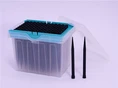





96-well deep well plate 2ml
Large-capacity design
Each well of the 96-well deep-well plate has a capacity of 2 ml, which provides more storage space than ordinary microplates and is very suitable for processing samples that require a larger volume. This large-capacity design is particularly outstanding in chemical synthesis reactions, cell culture, and sample storage. For chemical synthesis, a larger pore volume can accommodate more reactants, improve reaction efficiency, and reduce the tedious steps of multiple subpackaging. In cell culture, the large-capacity design can provide more sufficient nutrients to ensure a good growth environment for cells. In terms of sample storage, the 2 ml capacity is sufficient to meet long-term storage needs, reducing the number of frequent sample handling, thereby reducing the possibility of sample loss. In addition, this design is also very suitable for experiments that require high-throughput processing, such as drug screening and genomic research, which greatly increases the scale and processing capacity of the experiment, thereby improving the efficiency and output of the overall experiment.
Standardized size
The 96-well deep well plate is designed in accordance with the size of the SBS (Society for Biomolecular Screening) international standard, which means that it can be seamlessly connected with most automated equipment and manipulators. In modern laboratories, the widespread use of automation technology makes standardized equipment particularly important. Whether it is a liquid handling system, an automatic dispenser, or a robotic arm, these automated equipment can easily handle deep well plates of standardized sizes, avoiding experimental operation errors caused by size mismatch. This not only improves the accuracy of the experiment, but also greatly saves the operating time of the experimenter and improves work efficiency. In addition, the standardized design is also conducive to the repeatability and comparability of experiments. Different laboratories can share data and methods more conveniently, thereby promoting the rapid promotion and application of scientific research results.
Deep well design reduces evaporation and cross contamination
The design of the 96-well deep well plate has been optimized to reduce the evaporation loss of samples during the experiment. Especially in experiments that require long-term storage, the deep well design can ensure that the liquid of the sample remains stable and reduce the volume change caused by evaporation, thereby ensuring the accuracy of the experimental results. This is particularly critical for chemical experiments that require precise proportions or biological experiments that require long-term cultivation. In addition, the design between the wells takes into account the risk of reducing cross contamination. The independence of the deep wells allows each sample to have its own storage environment, and the well wall structure is optimized to ensure that the liquid does not contact each other due to operations such as pouring and pipetting. Reducing the risk of cross contamination not only helps to improve the accuracy of the experiment, but also improves the reliability and repeatability of the experiment in multi-sample analysis, especially in high-throughput analysis such as genome and proteome.
Material composition and features

The 96-well deep-well plate is made of high-quality polypropylene (PP) material, which is widely favored for its excellent chemical resistance. Polypropylene can withstand a variety of acids, bases, salts and organic solvents, which makes it very suitable for use in different types of experiments, especially when dealing with corrosive samples, ensuring the stability and durability of the plate. In chemical synthesis or biological experiments, the choice of this material can avoid experimental results errors caused by material instability. In addition, PP materials can maintain excellent performance in extreme environments, whether they are stored at low temperatures or exposed to organic chemicals, they can remain stable and extend their service life.
Another major advantage of PP materials is its high temperature and high pressure resistance. It can withstand high temperature and high pressure sterilization, so it is very suitable for use in strict sterile experimental environments. Laboratories usually rely on this sterilization method to ensure the cleanliness of equipment and consumables, thereby avoiding the impact of contamination on experimental results. After autoclaving, the deep-well plate can still maintain its integrity, ensuring multiple uses, reducing the dependence on disposable plastic products and reducing the operating costs of the laboratory. This is not only economical, but also meets environmental protection needs and reduces the generation of laboratory waste.

Application areas of 96-well deep well plate 2ml
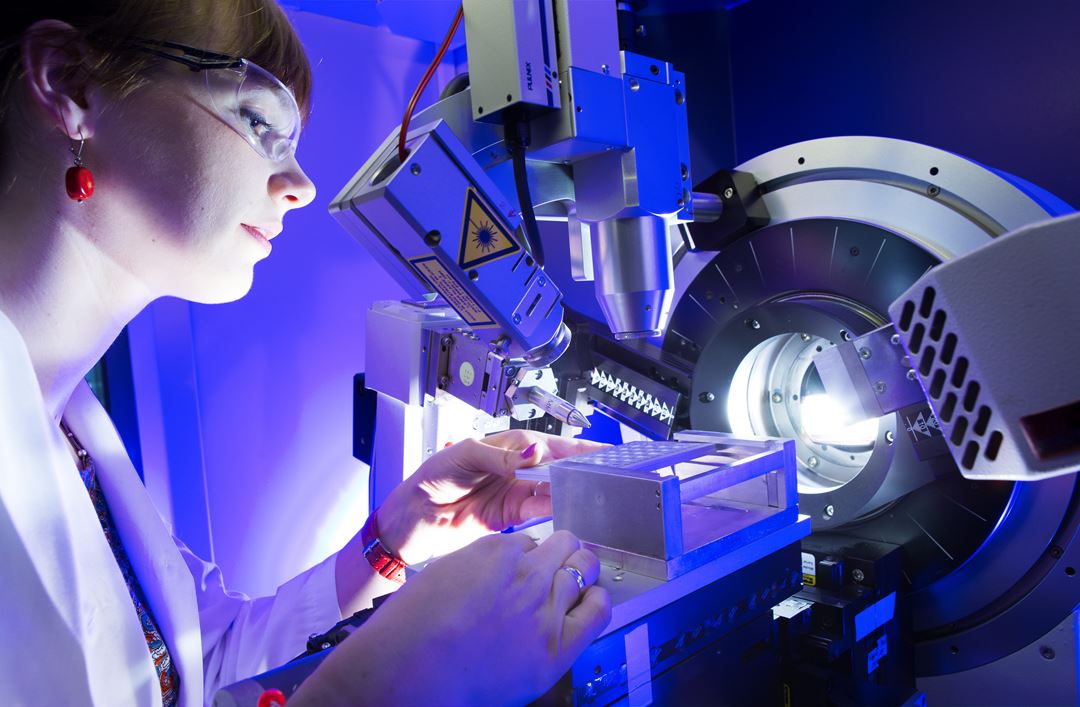
Various laboratories and high-throughput research fields:
96-well deep-well plates (2ml) are widely used in various laboratories and high-throughput research fields, especially in life sciences, chemistry, and drug development. In the field of life sciences, it is often used in cell culture, genomics, and proteomics research. For example, in DNA extraction and PCR experiments in genomics research, 96-well deep-well plates provide high-throughput sample processing capabilities, which can effectively improve experimental efficiency. In cell culture, the large-capacity design is suitable for processing and culturing a large number of cell samples, providing sufficient nutrient environment for experiments and supporting long-term cultivation.
Chemical and drug development fields:
In chemical and drug development, this deep-well plate is often used in chemical synthesis reactions and drug screening experiments due to its chemical resistance and high capacity advantages. The 96-well design enables multiple reactions to be performed simultaneously, saving time and increasing the throughput of experiments. In the process of drug screening, deep-well plates allow large-scale testing of the effects of multiple compounds or drug candidates on target cells or pathogens, providing reliable data support for drug development. In addition, deep-well plates are also widely used in applications such as environmental science and food safety testing, suitable for storing samples and long-term analysis and processing.

Maybe you have the following questions
1.What fields is this experimental consumable suitable for?
This experimental consumable is widely used in life sciences, drug development, genomics, proteomics, and chemical synthesis. In the field of life sciences, it is often used in cell culture, DNA extraction, and PCR experiments. Due to its high-throughput sample processing capabilities, it can perform multiple reactions or process a large number of samples at the same time, improving experimental efficiency. In drug development, it can be used for drug screening and compound reaction testing to help scientists quickly screen out effective drug molecules. In addition, its chemical resistance also makes it suitable for complex reactions in chemical experiments.
2.Can this product be used in a high-temperature and high-pressure sterilization environment?
Yes, this product is made of high-temperature resistant polypropylene material and can be used in a high-temperature and high-pressure sterilizer. It can not only withstand extremely high temperatures, but also withstand pressure sterilization, so it is suitable for repeated use in a sterile experimental environment. Through high-temperature and high-pressure sterilization, the cleanliness of the experimental consumables can be ensured, contamination can be avoided, and the accuracy of the experimental data can be ensured.
3.In a multi-hole design, how to prevent cross-contamination between samples?
This product adopts a deep-hole design, and the wall surface of each hole is optimized, which can effectively prevent contact between samples and reduce the risk of cross-contamination. The spacing between the wells and the independent structure ensure that the samples remain isolated even during pouring or pipetting operations. In addition, the use of appropriate caps or sealing membranes can further reduce the risk of contamination, ensure the integrity of the sample and the accuracy of the data.
4.Is it compatible with automated equipment?
Yes, the product is designed in accordance with international standard sizes and is suitable for a variety of automated equipment and robotic systems. This standardized size can seamlessly connect to high-throughput liquid handling systems, automatic dispensers and screening equipment, ensuring efficient processing of samples in automated operations. At the same time, this also reduces the time for manual operation by experimenters and improves the efficiency and accuracy of experiments.
5.How resistant is the material to chemical reagents?
This product is made of high-purity polypropylene material with excellent chemical resistance. It can withstand chemical reagents such as strong acids, strong alkalis and organic solvents. In chemical experiments, especially when dealing with corrosive samples, it can ensure the stability of the container, will not be corroded or dissolved by chemicals, and ensure the accuracy of experimental results.
6.What are the storage and transportation requirements of this product?
The storage requirements of this product are relatively simple. It can be stored in a dry and cool environment, avoiding direct sunlight and extreme temperature changes. If the sample needs to be stored for a long time, it is recommended to store it in a low temperature environment. As for transportation, the product has good stability, is not easy to damage, and is suitable for large-scale transportation. During the packaging process, it is recommended to use shockproof materials to ensure that the product will not be damaged by external forces.
7.How efficient is the sample processing of this consumable?
This consumable is designed mainly for high-throughput sample processing, capable of analyzing and reacting 96 samples at the same time, greatly improving the processing speed of the experiment. Its large-capacity design also allows for the storage and processing of larger volumes of samples, reducing the need for multiple operations, thereby improving the efficiency of the experiment and the consistency of sample processing. This is particularly applicable to experiments that require processing a large number of samples, such as genomics and drug screening.
Hot Tags: 96-well deep well plate 2ml, China, suppliers, manufacturers, factory, custom, wholesale, for sale, glass Deep well plate, Transparent Pipette Tip, plastic PCR Tubes, 2 2ml deep well plate, 0 2ml Clear PCR Tubes, Low Binding Pipet Tip


