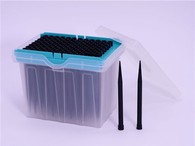





Aseptic processing
This product adopts aseptic processing technology to ensure that it is irradiated and sterilized before packaging, ensuring that each deep-well plate is sterile before use. This feature makes it very reliable in cell culture, molecular biology and clinical experiments, effectively avoiding cross-contamination and sample contamination, and ensuring the accuracy and safety of experimental results.
Precise hole position and depth design
The hole position and hole depth of each hole are precisely designed to accommodate more samples and have a certain depth, which is suitable for experiments requiring a large liquid capacity. The deep-well design also effectively prevents liquid overflow and ensures the safety of sample processing. The standardized hole diameter and hole depth design make this deep-well plate compatible with a variety of automated equipment and liquid handling systems, improving experimental efficiency.
High-throughput screening and multi-sample processing capabilities
The design of this 96-well deep-well plate is very suitable for high-throughput screening experiments. It can process multiple samples or reagents at the same time and is widely used in drug screening, gene amplification, cell culture, toxicology testing and other fields. Its standardized hole structure makes the processing method of each well sample consistent, which can improve the consistency and repeatability of the experiment and reduce the errors caused by human operation.
Automation compatibility
Due to its standardized well positions, this deep well plate is compatible with a variety of automated dispensing and analysis equipment, especially suitable for robotic dispensing systems and liquid handling systems. Automated operation not only improves work efficiency and reduces manual intervention, but also improves the accuracy and repeatability of experiments, making it very suitable for high-throughput laboratory environments.
Material composition and features

Chemical stability:
Polypropylene (PP) is a material with extremely high chemical stability and can resist corrosion from most common chemical reagents, including strong acids (such as sulfuric acid, hydrochloric acid), strong bases (such as sodium hydroxide) and various organic solvents (such as alcohols, ketones, aromatic hydrocarbons, etc.). This chemical stability makes polypropylene 96-well deep-well plates particularly good in experiments involving complex solutions or corrosive reagents. When conducting drug screening, cell culture or molecular biology experiments, the use of polypropylene deep-well plates can avoid the interaction between the plate and the sample, thereby ensuring the purity and stability of the sample during the experiment. For example, when handling liquid samples containing acids, bases, solvents or chemical reagents, polypropylene deep-well plates can effectively prevent the penetration or corrosion of chemicals, thereby ensuring the accuracy of experimental results. Especially in the reaction environment of high temperature and corrosive liquids, the chemical tolerance of polypropylene makes it an ideal choice, ensuring the reliability of the experiment and reducing errors and contamination.
Mechanical strength and impact resistance:
Polypropylene material has high mechanical strength and can maintain excellent performance under a variety of physical conditions. Its impact resistance enables it to withstand external shock or pressure, such as impact or extrusion that may be encountered during transportation, storage or experiments. In experimental operations, deep-well plates often need to withstand frequent processing, such as high-pressure sterilization, liquid distribution, equipment operation, etc. Polypropylene materials can maintain structural integrity under high loads and avoid cracking or deformation. Especially in high-throughput screening or automated experiments, 96-well deep-well plates need to be used in conjunction with a variety of equipment and exposed to more complex and harsh operating environments. The strength and impact resistance of polypropylene ensure that the deep-well plates can operate stably for a long time, reduce replacement costs caused by damage, and thus extend the service life of the equipment. Even in a high-pressure environment, polypropylene deep-well plates can maintain good structural stability and will not affect the reliability of experimental results due to physical damage.

Application areas of sterile 96 deep well plate

Clinical Diagnosis and In Vitro Testing
In clinical diagnostics and in vitro diagnostics (IVD), sterile 96-well deep-well plates are widely used for the analysis of various biological samples, including blood, urine, saliva, and other body fluid samples. Sterility is its key feature, ensuring that samples are free from external contamination during processing, greatly reducing the risk of sample contamination and ensuring the accuracy and reliability of test results. The chemical stability of the product enables it to be adapted to experiments such as serological and immunological detection, and it can withstand complex chemical reagents and sample processing. Especially when performing immune reactions, antibody detection, and biochemical analyses, sterile 96-well deep-well plates can ensure the purity of samples and reagents in experiments and avoid cross-contamination. Whether performing routine blood tests, or special viral detection or antibody screening, this product provides a standardized experimental platform to ensure data consistency and reproducibility. It is also suitable for cell culture experiments, which has significant advantages especially when performing cancer screening and gene expression analysis.
Drug screening and toxicology research
Sterile 96-well deep well plates play an important role in drug development and toxicology research, especially in high-throughput drug screening, efficacy evaluation, and toxicity testing. The plate is designed to meet the requirements of automated operations and can process up to 96 different samples or reagents simultaneously, providing an efficient experimental platform for drug development. Its high chemical stability ensures safe storage and handling of different chemicals, pharmaceutical solutions and solvents, while its sterile design prevents interference from microorganisms or other external sources of contamination. During the drug screening process, the 96-well plate can efficiently process a large number of compounds and screen out candidate molecules with potential medicinal effects. It especially plays a huge role in anticancer drug screening, antiviral drug research, and antibiotic resistance research. By using this deep-well plate, researchers can quickly assess a drug's toxicity, mechanism of action, and therapeutic potential while reducing human error in the process.
Maybe you have the following questions
Q: 1: What types of experiments can this 96-well deep-well plate be used for?
A: Answer: This deep-well plate is suitable for a variety of biological and chemical experiments, especially in the fields of molecular biology, cell biology and clinical testing. Common applications include gene amplification, PCR reaction, cell culture, drug screening, antibody detection, immunoassay, etc. Due to its efficient well design, it can accommodate a large number of samples and avoid cross-contamination, so it is very suitable for high-throughput experiments and multi-sample processing.
Q: 2: What is the material of this deep-well plate?
A: Answer: This product is made of high-quality polypropylene (PP) material with excellent chemical stability and high temperature resistance. Polypropylene has strong acid and alkali resistance and can withstand corrosion from various chemical reagents. It can also withstand high-pressure sterilization to ensure durability and stability in long-term use. It has high strength and impact resistance, and can maintain good structural integrity even under high loads, and has a long service life.
Q: 3: How does this 96-well deep-well plate ensure the sterility of the experiment?
A: Answer: This product is irradiated and sterilized during the production process to ensure that each well plate has reached the sterility standard when it is packaged. Aseptic design can effectively prevent microbial contamination and ensure that no exogenous contamination is introduced during the experiment. Especially when it comes to cell culture and sensitive sample processing, it can avoid the influence of contamination sources on experimental results and ensure the reliability of research.
Q: 4: Is this product suitable for high-throughput screening experiments?
A: Answer: Yes, the 96-well deep-well plate is very suitable for high-throughput screening experiments. It can process multiple samples or reagents at the same time, improving experimental efficiency and screening speed. Whether in drug screening, antibody testing or gene expression analysis, the 96-well design allows researchers to process up to 96 samples in the same experiment, reducing operation time and labor costs.
Q: 5: Can this product adapt to the operation of automated equipment?
A: Answer: The standardized well position design of the 96-well deep-well plate makes it compatible with a variety of automated equipment, especially for liquid distribution, sample processing and analysis systems. It is used in combination with automated equipment to improve the accuracy and repeatability of experiments, avoid errors caused by manual operation, and improve overall laboratory work efficiency.
Q: 6: What is the storage and use temperature range of this product?
A: A: This deep well plate can be used in routine experiments at a temperature range of -80°C to 121°C. Polypropylene material can withstand low temperature storage and is suitable for storing frozen samples or chemical reagents. It can also withstand high temperatures and is suitable for use in high temperature sterilization processes, ensuring stable performance in harsh experimental environments.
Q: 7: Is this product compatible with other laboratory tools?
A: A: Yes, the size and design of this 96-well deep well plate meet international standards and are compatible with most common laboratory tools, including pipettes, automated dispensing systems, shakers, centrifuges, etc. Whether in daily laboratory operations or in high-throughput screening or automated experiments, efficient and accurate operations can be ensured.
Hot Tags: sterile 96 deep well plate, China, suppliers, manufacturers, factory, custom, wholesale, for sale, Half Skirt Pcr Microplate, Sterile Filter Tip, PCR Plate, Pcr Tubes, Low Binding Pcr Tubes, Lab Pipette Tip