


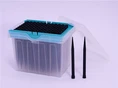


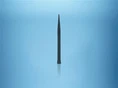


Disposable pipette tips are essential components of laboratory pipetting systems, designed to provide accurate and contamination-free liquid handling in various scientific and clinical applications. These disposable tips offer numerous benefits, ranging from preventing sample cross-contamination to enhancing workflow efficiency and ensuring the accuracy of experimental results. Let's delve into the features, applications, and significance of disposable pipette tips in laboratory practice.
Features and Design: Disposable pipette tips are typically manufactured from high-quality, medical-grade polypropylene or other suitable materials using precision molding techniques. They feature a standardized design with a narrow, tapered end that fits securely onto the pipette nozzle. The tips are available in a variety of volumes, ranging from microliters to milliliters, to accommodate different sample volumes and pipetting requirements.
One of the key features of disposable pipette tips is their single-use design, which eliminates the risk of sample carryover and cross-contamination between samples. Each tip is used for a single pipetting operation and then discarded, ensuring the integrity of subsequent samples and maintaining the purity of experimental results.
Additionally, disposable pipette tips may incorporate features such as filter barriers or aerosol-resistant designs to prevent aerosol contamination and protect pipettes from sample intrusion, enhancing user safety and laboratory hygiene.
Applications in Laboratory Practice: Disposable pipette tips find widespread use across various laboratory disciplines and applications, including molecular biology, microbiology, cell culture, clinical diagnostics, and pharmaceutical research. Some common applications of disposable pipette tips include:
PCR and qPCR Assays: In molecular biology laboratories, disposable pipette tips are used for precise and contamination-free dispensing of reagents, DNA samples, primers, and buffers in polymerase chain reaction (PCR) and quantitative PCR (qPCR) assays. The single-use design ensures the accuracy and reproducibility of amplification reactions, minimizing the risk of PCR contamination and false-positive results.
Cell Culture and Microbiology: In cell culture and microbiology laboratories, disposable pipette tips are employed for aseptic handling of cell culture media, antibiotics, growth factors, and microbial cultures. The sterile, single-use design helps prevent cross-contamination between samples and maintains the integrity of cell cultures and microbial assays.
Clinical Diagnostics: In clinical laboratories, disposable pipette tips are essential for accurate and contamination-free dispensing of patient samples, reagents, and controls in diagnostic assays such as immunoassays, clinical chemistry tests, and molecular diagnostics. The single-use design ensures the reliability of diagnostic results and reduces the risk of sample carryover or contamination.
Drug Discovery and High-Throughput Screening: In pharmaceutical and biotechnology research, disposable pipette tips play a crucial role in drug discovery, assay development, and high-throughput screening (HTS) workflows. They enable precise and reproducible liquid handling in multiwell plate assays, compound dilutions, and compound transfer operations, ensuring the efficiency and reliability of screening assays.
Significance in Laboratory Practice: Disposable pipette tips offer several advantages that contribute to their significance in laboratory practice:
Contamination Control: The single-use design of disposable pipette tips eliminates the risk of sample carryover and cross-contamination between samples, ensuring the accuracy and reliability of experimental results. This is particularly important in sensitive assays and experiments requiring high levels of purity and reproducibility.
Sample Integrity: Disposable pipette tips help maintain the integrity of samples by preventing exposure to contaminants and minimizing the risk of sample degradation or alteration. This is critical for preserving the quality of biological samples, reagents, and other precious materials used in laboratory experiments.
Workflow Efficiency: Disposable pipette tips streamline laboratory workflows by simplifying pipetting operations and reducing the time and effort required for sample handling. The convenience of using disposable tips eliminates the need for cleaning and sterilizing pipette tips between uses, saving valuable time and labor in busy laboratory environments.
Quality Assurance: By ensuring accurate and contamination-free liquid handling, disposable pipette tips contribute to quality assurance in laboratory practice. They help laboratories maintain compliance with regulatory standards and quality management systems, ensuring the reliability and traceability of experimental data.