


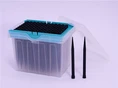


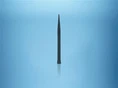


Polypropylene pipette tips are indispensable tools in laboratory settings, offering precise and reliable liquid handling for a wide range of scientific and clinical applications. These tips are crafted from high-quality polypropylene material using advanced manufacturing techniques, ensuring consistent performance and compatibility with various pipettes. Let's explore the features, applications, and significance of polypropylene pipette tips in laboratory practice.
Features and Design: Polypropylene pipette tips are designed to provide accurate and contamination-free liquid dispensing, thanks to their precision-engineered construction and inert properties. The tips are manufactured with a tapered end that fits securely onto the nozzle of a pipette, ensuring a leak-proof seal and preventing sample loss during pipetting operations.
One of the key features of polypropylene pipette tips is their compatibility with a wide range of pipettes, including manual, electronic, and multichannel pipettes. These tips are available in various volumes, ranging from microliters to milliliters, to accommodate different sample volumes and pipetting requirements.
Polypropylene is an ideal material for pipette tips due to its excellent chemical resistance, thermal stability, and low protein binding properties. This ensures the integrity of samples and reagents during pipetting, minimizing the risk of contamination and preserving the accuracy of experimental results.
Applications in Laboratory Practice: Polypropylene pipette tips find extensive use across diverse laboratory disciplines and applications, including molecular biology, microbiology, cell culture, clinical diagnostics, and pharmaceutical research. Some common applications of polypropylene pipette tips include:
DNA Amplification and Sequencing: In molecular biology laboratories, polypropylene pipette tips are used for precise and contamination-free dispensing of DNA samples, primers, buffers, and enzymes in DNA amplification techniques such as polymerase chain reaction (PCR) and DNA sequencing. The inert properties of polypropylene ensure the purity and integrity of nucleic acid samples, minimizing the risk of sample carryover and contamination.
Cell Culture and Microbial Assays: In cell culture and microbiology laboratories, polypropylene pipette tips are essential for aseptic handling of cell culture media, antibiotics, growth factors, and microbial cultures. The low protein binding properties of polypropylene help maintain the viability and integrity of cells and microorganisms, ensuring reliable experimental results in cell-based assays and microbial studies.
Clinical Diagnostics: In clinical laboratories, polypropylene pipette tips are used for accurate and contamination-free dispensing of patient samples, reagents, and controls in diagnostic assays such as immunoassays, clinical chemistry tests, and molecular diagnostics. The compatibility of polypropylene with a wide range of chemicals and biological fluids ensures the reliability and reproducibility of diagnostic results.
Drug Discovery and High-Throughput Screening: In pharmaceutical research and drug discovery laboratories, polypropylene pipette tips play a crucial role in high-throughput screening (HTS) assays, compound dilutions, and compound transfer operations. The precise liquid handling capabilities of polypropylene pipette tips enable researchers to perform accurate and reproducible experiments, leading to the identification of potential drug candidates and therapeutic targets.
Significance in Laboratory Practice: Polypropylene pipette tips offer several advantages that contribute to their significance in laboratory practice:
Precision and Accuracy: Polypropylene pipette tips provide precise and accurate liquid dispensing, ensuring reproducible results in laboratory experiments and assays. The compatibility of polypropylene with a wide range of pipettes and sample volumes enables researchers to perform pipetting operations with confidence and precision.
Contamination Control: The inert properties of polypropylene help minimize the risk of sample carryover and cross-contamination between samples, ensuring the integrity and purity of experimental results. This is particularly important in sensitive assays and experiments requiring high levels of purity and reproducibility.
Versatility and Compatibility: Polypropylene pipette tips are compatible with a wide range of pipettes and laboratory instruments, making them versatile tools for liquid handling in various applications. Whether performing routine laboratory procedures or complex research experiments, researchers can rely on polypropylene pipette tips for consistent performance and compatibility.
Ease of Use and Convenience: Polypropylene pipette tips are easy to use and disposable, eliminating the need for cleaning and sterilization between uses. This saves time and labor in busy laboratory environments, allowing researchers to focus on their experiments and data analysis without the hassle of maintaining reusable tips.