


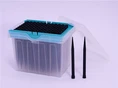





pcr test tube
Precise volume design
Each PCR tube has a clear volume mark, usually 0.2 ml or 0.5 ml. This design enables users to accurately measure and add reaction mixtures according to specific experimental needs, thereby minimizing sample loss and improving the accuracy and efficiency of experiments. The shape and size of the tubes are optimized to ensure compatibility with thermal cyclers and avoid experimental problems caused by incompatibility. In addition, the precise volume design also ensures that the volume ratio between the reaction components is maintained in multiple PCR experiments, which helps to improve the repeatability and reliability of the reaction.
Transparency
PCR tubes are made of transparent materials, allowing users to clearly observe the liquid state in the tube. This feature is crucial for monitoring the reaction process, helping researchers to identify the sample status in real time and ensure the smooth progress of the experiment. The transparent design also allows users to quickly determine whether the reaction is normal during the experiment, for example, whether there are bubbles, precipitation or other foreign matter, so as to take timely measures to avoid experimental failure. When researchers are conducting dye or probe labeling experiments, transparency can help them monitor fluorescence changes, further improving the accuracy and effectiveness of the experiment.
Sealing performance
These tubes are equipped with special sealing caps to ensure that liquid evaporation and sample contamination are effectively prevented during thermal cycling. This sealing performance is essential to maintain the accuracy and consistency of the reaction, and can effectively improve the reliability of experimental results. A good sealing design also reduces the impact of the external environment on the sample, ensuring that the temperature and air pressure inside the test tube remain stable during high temperature and multiple cycles, preventing experimental data deviations caused by sample evaporation or contamination. In addition, the sealing cap also facilitates the long-term storage of samples, allowing laboratories to reuse previous samples at any time when needed.
Strong compatibility
The test tube design is compatible with various brands and models of thermal cyclers, ensuring users' flexibility in choosing experimental equipment. This compatibility enables laboratories to easily conduct large-scale PCR experiments without frequent replacement of consumables, reducing operational complexity. Users can flexibly choose the right equipment according to specific experimental needs without having to worry about the trouble caused by mismatched accessories. At the same time, strong compatibility also facilitates the upgrade and replacement of laboratory equipment, ensuring that laboratories can quickly adapt to new equipment when technology is updated, thereby improving overall work efficiency.
Material composition and features

PCR tubes are usually made of high-quality polypropylene (PP), which is popular for its superior physical properties. PP has excellent chemical resistance and can resist corrosion from a variety of commonly used chemical reagents, thus maintaining stability when processing various biological samples. In addition, PP has excellent thermal stability and can withstand high-temperature cycles during PCR without deformation or cracking, which is crucial to maintaining the accuracy of the reaction. Even under multiple thermal cycle conditions, the test tube can still maintain its original shape to ensure that the sample is not physically damaged. This high-quality material not only improves the reliability of the experiment, but also enhances the confidence of the experimenter, allowing them to work with peace of mind in a high-intensity experimental environment.
In addition to chemical resistance and thermal stability, the transparency of polypropylene is also a major advantage of PCR tubes. This transparent material allows users to easily observe the state of the liquid in the test tube, which is convenient for real-time monitoring of the reaction progress. This feature is especially important when dealing with sensitive experiments, which can help researchers quickly identify potential problems, such as bubble formation or precipitation of samples. In addition, the transparent design also facilitates users to accurately measure volumes, ensuring that there will be no errors when adding reaction mixtures. In general, high-quality polypropylene materials give these tubes excellent performance, making them an indispensable experimental tool in the fields of molecular biology, medical research, and genetic testing. High-quality materials not only ensure the reliability of experimental results, but also provide strong support for scientific research.

Application areas of pcr test tube
Forensic Science Applications
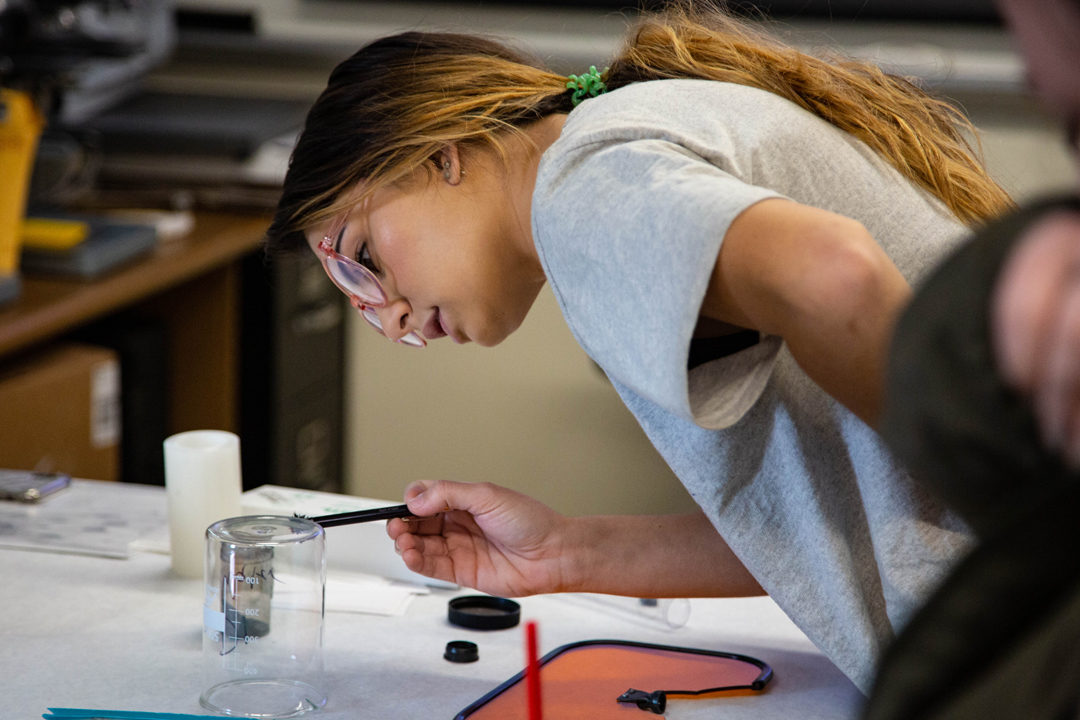
In the field of forensic science, PCR tubes are widely used for the analysis of trace DNA samples, especially in solving criminal cases. Modern criminal investigations often face the challenge of extremely small sample sizes. However, PCR technology can effectively amplify the genetic information in these trace samples, allowing researchers to extract enough DNA for analysis from biological samples such as blood, saliva, and skin cells. This highly sensitive detection capability not only improves the utilization rate of crime scene evidence, but also provides reliable data support for case detection. In addition, the design of PCR tubes ensures the stability of samples during amplification and prevents external contamination from affecting experimental results. Therefore, PCR tubes have become an indispensable tool in forensic analysis, helping law enforcement agencies to accurately identify suspects and promote the smooth resolution of cases.
Agricultural Biotechnology Applications
In agricultural biotechnology, PCR tubes also show broad application prospects, especially in the development and detection of genetically modified crops. Researchers use PCR technology to amplify genes related to crop disease resistance, stress resistance or other excellent traits to evaluate the effectiveness of genetic improvement. This process can not only improve crop yields and disease resistance, but also ensure growth performance in harsh environments, promoting the sustainable development of modern agriculture. In addition, PCR technology is also widely used to monitor the presence of genetically modified ingredients to ensure the safety and quality control of agricultural products. This process is crucial to ensuring food safety, and can effectively prevent unlabeled genetically modified ingredients from entering the market and protect the rights and interests of consumers. Through the application of these test tubes, agricultural scientists can find a balance between genetic improvement and food safety, promote innovation and development in agricultural production, and ultimately achieve a more efficient food production system.

Maybe you have the following questions
1. What are the volume and size options for this test tube?
This test tube usually provides a variety of volume options, such as 0.2 ml and 0.5 ml, to meet different experimental needs. Users can flexibly choose the appropriate size according to the specific experimental design to ensure the accuracy and effectiveness of sample processing.
2. Is the test tube capable of high temperature sterilization?
Yes, this test tube can withstand high temperature sterilization to ensure that it can maintain its performance when used in a strict experimental environment. This feature is particularly suitable for experiments that require sterile conditions, such as processing biological samples or performing sensitive molecular analysis.
3. How does this test tube prevent liquid evaporation?
Many of these test tubes are equipped with a special sealing cap that can effectively prevent the evaporation of liquid during thermal cycling. This design is essential to maintain the stability of the reaction mixture, ensuring that the concentration of the sample does not change during the experiment, thereby improving the reliability of the experimental results.
4. How is the chemical resistance of the test tube material?
This test tube is generally made of high-quality polypropylene material with good chemical resistance. This means that it can withstand the erosion of a variety of commonly used chemical reagents, ensuring that it will not be damaged when processing different types of samples, providing better experimental protection.
5. Can it be used for high-throughput screening experiments?
Yes, the test tube design is compatible with a variety of automated equipment and is very suitable for high-throughput screening experiments. Laboratories can process a large number of samples in a short period of time, significantly improving experimental efficiency, especially in the fields of drug development and genetic testing.
6. Is it easy to observe the reaction during use of this test tube?
The test tube is made of transparent material, allowing users to clearly observe the state of the internal liquid. This feature allows experimenters to monitor the reaction process in real time and quickly identify potential problems, such as the formation of bubbles or precipitation, so as to adjust the experimental conditions in time.
7. What technical support and services are available when purchasing?
We provide comprehensive customer support, including technical consultation, product training and after-sales service. Our professional team can provide advice based on user needs and help choose the most suitable products. At the same time, we provide necessary guidance during use to ensure that users get the best experimental experience.
Hot Tags: pcr test tube, China, suppliers, manufacturers, factory, custom, wholesale, for sale, Pcr Lab Tubes, U Bottom 96 Deep Well Plate, 1000 l Filter Universal Pipette Tip, 0 2ml Clear PCR Tubes, glass Deep well plate, 2ml Deep Well Plate


