


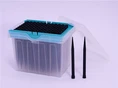




50 ml pipette tips
Precise sealing performance
The tip's unique design ensures a tight connection to the pipette, providing superior sealing performance. This design feature plays a vital role in the liquid transfer process, effectively reducing liquid residue and thus avoiding sample cross-contamination. The accuracy and reproducibility of experimental data are crucial in scientific research, especially in fields that require strict control of experimental conditions. Whether in chemical synthesis, biological experiments or clinical testing, good sealing can ensure that the volume of liquid transferred in each experiment is accurate, greatly improving the reliability of the experiment.
High transparency
The pipette tip made of transparent material allows the liquid suction and discharge process to be clearly visible, allowing the experimenter to quickly confirm the status of the sample. This visual design not only improves the convenience of operation, but also reduces the risk of misoperation. In many experiments, real-time monitoring of liquid status can detect problems in time and avoid experimental deviations caused by incomplete absorption or discharge of liquid. This feature is particularly important in high-throughput experiments and multi-step operations, and can significantly improve overall experimental efficiency.
RNase and DNase free
The tips undergo strict quality control to ensure they are free of RNase, DNase and other potential contaminants. This feature makes it particularly suitable for experiments that require extremely high sample purity, such as genomics and molecular biology research. The presence of contaminants can have a significant impact on experimental results, so ensuring RNase and DNase-free properties provides researchers with a higher level of confidence, allowing them to focus on experimental design and results analysis without having to worry about sample purity.
Broad compatibility
The tips are compatible with most standard pipettes on the market and are suitable for use in a variety of laboratory environments. This broad compatibility allows experimenters to use it flexibly in different experimental settings without worrying about compatibility issues between devices. Whether in high-throughput laboratories or basic research environments, this tip can meet a variety of experimental needs and facilitate laboratory personnel's daily operations. This convenience helps improve laboratory productivity and reduces wasted time due to incompatible equipment.
Material composition and features

These pipette tips are usually made of high-purity polypropylene (PP) material, which has excellent chemical stability and high temperature resistance. The non-toxicity of polypropylene ensures its safety and reliability in biological and chemical experiments, and is particularly suitable for experiments that require high sample purity, such as genomics and molecular biology research. Its excellent chemical resistance allows the tip to resist corrosion from a variety of reagents and will not react with liquids, thereby protecting the integrity of the sample. This property is particularly important for liquid transfer in the laboratory, as the reaction of any material can have a significant impact on the experimental results.
In addition, the transparent design of the tip allows experimenters to easily observe the suction and discharge process of liquid, which facilitates real-time confirmation of sample status and improves experimental efficiency. The good formability of the polypropylene material ensures that the size of the tip can be precisely controlled during the production process, thereby ensuring a tight fit with the pipette and providing superior sealing performance. This sealing effectively reduces liquid residue during the transfer process, avoids sample cross-contamination, and ensures the accuracy and repeatability of experimental data. Taken together, this high-quality material composition lays a solid foundation for the wide application of these pipette tips in various experiments.

Application areas of 50 ml pipette tips
.jpg "product-1-1")
Clinical diagnosis
In medical laboratories, 25 mL pipette tips are widely used in the processing of biological samples, especially in the testing of samples such as blood and urine. Due to its designed capacity, it can easily and accurately transfer large volumes of liquid, ensuring the efficiency and accuracy of the experimenter in sample processing. When diagnosing diseases, the quality of the sample and the accuracy of the processing are directly related to the reliability of the test results. For example, when performing blood chemistry analysis, accurate liquid transfer is essential for the evaluation of drug concentration, enzyme activity and electrolyte levels. The superior sealing performance of the tip effectively avoids sample cross-contamination, ensuring the purity of each sample during the test. In addition, the transparent material design allows the experimenter to observe the absorption and discharge of the liquid in real time and quickly confirm the status of the sample. This feature is particularly important in high-throughput experiments and emergency diagnosis situations, which can improve work efficiency and help doctors make accurate diagnosis and treatment decisions faster.
Food safety testing
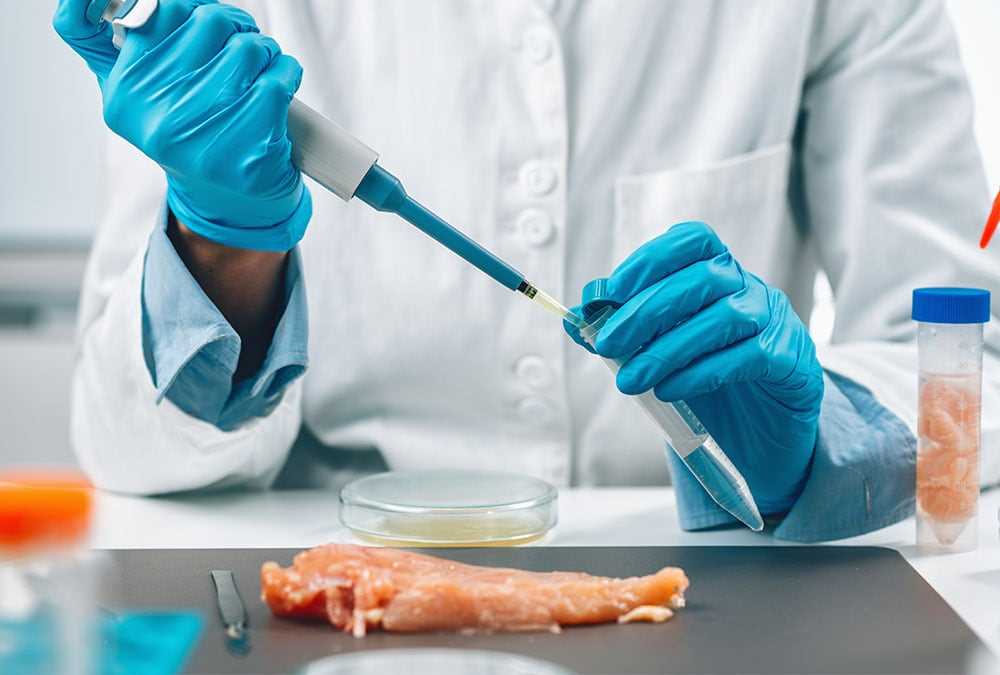
In the field of food science, 25 mL pipette tips are widely used for sampling and testing of liquid samples to ensure the safety and compliance of food. With the increasing attention paid to food safety issues, it has become particularly important for laboratories to detect potential contaminants and additives in food. The design of this tip makes it easy to extract the required volume from a variety of liquid samples for further chemical and biological analysis. Whether testing water quality, juice, dairy products or other food samples, accurate liquid transfer is the basis for ensuring reliable test results. In addition, due to its RNase- and DNase-free properties, this tip can effectively prevent sample contamination when handling biological samples, providing higher protection for food safety testing. By precisely controlling the sample volume, laboratories can conduct food safety assessments more effectively and ensure that products meet national and international safety standards, thereby maintaining the health and safety of consumers.
Maybe you have the following questions
1. What is the material of this pipette tip?
The pipette tip is made of high-purity polypropylene (PP) material, which has excellent chemical resistance and non-toxicity. This material ensures that it remains stable in a variety of experimental environments and will not react with liquids, thereby protecting the integrity of the sample. It is particularly suitable for experiments with high requirements for sample purity, such as genomics and molecular biology research.
2. What is the volume of this pipette tip?
This pipette tip is designed to handle 50 mL of liquid and can meet the laboratory's needs for large-volume transfer in chemical synthesis, biological experiments, and clinical testing. The large-capacity design makes it more convenient to handle large volumes of liquid and reduces the need to frequently change pipette tips.
3. How is the sealing performance of this pipette tip?
The design of the pipette tip ensures a tight connection between it and the pipette, providing excellent sealing performance. This feature effectively reduces residues during liquid transfer, avoids sample cross-contamination, and ensures the accuracy and repeatability of experimental data, which is essential for research that requires strict control of experimental conditions.
4. What laboratory equipment is this pipette tip suitable for?
The tip is compatible with most standard pipettes on the market and is widely used in various laboratory environments to meet different experimental needs. This compatibility makes it more flexible and convenient in laboratory operations.
5. How to ensure the accuracy of the operation during use?
Because the tip is made of transparent material, the liquid absorption and discharge process is clearly visible, and the experimenter can quickly confirm the sample status and find possible problems in time. This visual design helps to reduce the risk of misoperation and improve experimental efficiency.
6. Is this tip strictly quality controlled?
Yes, the tip is strictly quality controlled to ensure that there is no RNase, DNase and other potential contaminants. Quality-controlled products are particularly suitable for experiments such as genomics and molecular biology that require extremely high sample purity, providing reliable experimental results.
7. What are the advantages of this tip in terms of economy?
The tip achieves a good balance between performance and price, making it a cost-effective consumable commonly used in laboratories. The large-capacity design not only reduces the need for frequent tip replacement, but also effectively reduces experimental costs. This economical and practical feature enables laboratories to control budgets and optimize resource use while ensuring experimental quality.
Hot Tags: 50 ml pipette tips, China, suppliers, manufacturers, factory, custom, wholesale, for sale, Sterile Pcr Tubes Strip, 200 L pipette, 0 2ml 96 Well Pcr Plate, 0 2ml Pcr Tubes With Cap not Gap, 96 Well plate, Sterile Filter Tip


