






Company Profile
As a professional manufacturer in China, we are committed to producing high-quality pipette tip products. We have advanced production equipment and technical teams to ensure that our products meet the highest standards in quality and performance. Our pipette tips undergo rigorous quality control and testing to ensure their stability and precision. We offer various specifications and models of pipette tips to meet the different needs of our customers. Whether in the medical, biotech, laboratory or industrial fields, we provide our customers with quality products and services.
Why choose us?
Advanced equipment
We have advanced production equipment and technical teams to ensure that our products meet the highest standards in quality and performance.
Customized services
Whether in the medical, biotech, laboratory or industrial fields, we provide our customers with quality products and services.
Competitive price
We can provide the OEM and ODM services, with superior cost performance, rich technical resources and top quality and efficiency.
High quality
Our products are manufactured or executed to very high standards, using the finest materials and manufacturing processes.
Related Product

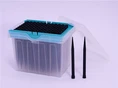
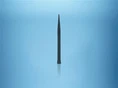
The Universal Pipette Tip is a vital tool in laboratories, designed for compatibility with a range of pipettes. With precision engineering, it ensures accurate and efficient liquid handling, contributing to reliable results in various scientific applications.

Plastic medical pipette tips are common tools used in medical laboratories and are usually made of high-quality plastic. They are precisely sized and designed to be compatible with various makes and models of pipettes. These tips are used to accurately measure and transfer liquids, providing a convenient liquid handling solution. They have wide applications in molecular biology, cell culture, clinical diagnosis and other fields.

Sterile barrier pipette tips are critical tools used in medical laboratories with additional barrier protection that effectively prevents cross-contamination between samples and the internal structure of the pipette. These tips are usually treated aseptically to ensure that no exogenous contaminants are introduced during the experiment, thereby ensuring the accuracy and reliability of the experimental results.

Barrier pipette tips are a critical tool used in medical laboratories and are designed to provide additional barrier protection against cross-contamination between samples and liquid handling equipment. These tips are typically made from high-quality plastic and feature precise dimensions and designs ensuring compatibility with a wide range of pipette brands and models. Their use helps ensure the accuracy and reliability of experimental results, especially in critical molecular biology, cell culture and clinical diagnostic applications.

A medical pipette (pipette) is a precision instrument commonly used in biomedical laboratories to move and dispense liquids with precision. They typically consist of an adjustable piston, aspiration head, and a discharge head that enable precise measurement and delivery of liquids in the microliter to milliliter range. Medical pipettes are widely used in molecular biology, cell culture, drug research and development and other fields to provide reliable liquid handling solutions. Its accuracy and repeatability make it an indispensable tool in the laboratory, helping researchers complete various experiments and operations to ensure the accuracy and reliability of experimental results.

1000uL disposable tips are essential laboratory accessories used for precise liquid handling with micropipettes. Made from high-quality materials like polypropylene, these tips ensure accurate and contamination-free sample transfer. Their disposable nature eliminates the risk of cross-contamination between samples, making them ideal for sensitive applications such as PCR, cell culture, and molecular biology. These tips are compatible with a wide range of micropipettes and come in sterile packaging to maintain sample integrity.

Sterile Pipette Tips are disposable plastic tips used in laboratories to ensure contamination-free liquid handling. These tips are sterilized using methods like gamma irradiation or autoclaving, eliminating any potential microbial contaminants. They are individually packaged and sealed to maintain their sterility until use. Sterile Pipette Tips are commonly used in molecular biology, cell culture, clinical diagnostics, and other sensitive applications where maintaining a sterile environment is crucial. Their sterile nature helps prevent cross-contamination, ensuring reliable and accurate results in experiments and sample preparations.

A 1000ul pipette is a laboratory instrument used for precise and accurate measurement and transfer of liquids. It has a volume capacity of 1000 microliters, allowing researchers and technicians to handle larger volumes with precision. This pipette is commonly employed in various scientific and medical applications, including molecular biology, biochemistry, and clinical diagnostics, where precise liquid handling is crucial for obtaining reliable and reproducible results.

200ul Pipette Tips are laboratory consumables designed for accurate and precise liquid handling. With a volume capacity of 200 microliters, these tips enable researchers and technicians to transfer small to medium volumes of liquids with ease. They are commonly used in various scientific and clinical applications, such as molecular biology, biochemistry, and diagnostics. These tips ensure reliable and reproducible results, making them essential tools in the laboratory for pipetting tasks requiring precise volume measurements.
Micropipette tips are an essential laboratory consumable used in various scientific applications, such as molecular biology, biochemistry, microbiology, and clinical diagnostics. These small plastic tips attach to the end of micropipettes, which are used to transfer small volumes of liquid with high precision.
Benefits of Micropipette Tips
Contamination prevention
Micropipette tips are designed to be used only once and then discarded. This greatly reduces the risk of contamination from one sample to another, preventing the potential spread of bacteria, viruses, or other hazardous materials that may be present in a sample.
Accuracy and precision
Micropipette tips are manufactured using precision molds, which ensures that each tip is uniform in size and shape. This helps to ensure accurate and precise measurements, especially when working with small volumes.
Time and cost-saving
Using micropipette tips eliminates the need for cleaning and sterilization of pipette tips after each use. This saves time and reduces labor costs associated with cleaning, maintenance, and sterilization of reusable tips.
Convenience
Micropipette tips are available in a wide range of sizes, materials, and types, which makes them suitable for different types of samples and applications. They are also easy to replace, reducing the risk of pipetting errors due to worn or damaged tips.
Types of Micropipette Tips
Filter vs non-filter
Filter tips: Filter tips are generally meant for use in specific kinds of tests. For instance, if the sample is corrosive or volatile or highly viscous in nature, it can potentially damage the pipette. In such cases, filter tips are recommended for use. The filter placed inside these tips would help prevent the chances of excess aspiration of the sample, which is responsible for inducing damage to the pipette shaft. Every time you aspirate liquid, aerosols are generated inside the pipette tip. If you don't use filter tips, these aerosols are likely to contaminate your pipette and the subsequent samples. A filter pipette is also recommended for novice lab technicians or university students, who lack the requisite experience of handling pipettes. They can be used for training purposes as filter pipette tips protect against potential damage or contamination of samples, and therefore, prove to be highly cost-effective.
Non-filter tips: Non-filter tips are the major type of tips used in any lab as they are less expensive than filter tips. Non-filter tips lack the advantages associated with filter tips, therefore, are more suitable for samples that are not susceptible to contamination, and that is unlikely to damage the pipette. In addition, these non-filter tips can be used by people who have a significant amount of experience handling pipettes in the lab. Moreover, one can use non-filter pipette tips for relatively non-sensitive applications, such as isolating plasmid DNA, and loading agarose gels, among others.
By packaging
Racked: Today, micropipette tips are primarily available as pre-filled stackable racks, usually made of polypropylene. As the micropipette tips are well-stacked, they don't require to be manually emptied in a sterile container. The racks are sturdy, having thick walls, and usually come with a transparent lid and base. Once emptied, the racks are reusable.
Bulk: Bulk tips are usually packed in zip-locked resealable polyethylene bags. The zip-lock sealing offers superior protection against contamination. After you receive your bulk package, you can manually empty your pipette tips in a sterile box.
Reloads: Reload packaging is similar to racked tips, however, it is much more sustainable and environment-friendly as the same box can be used with replaceable reloads. It generally comes with a unique nestable design, making it a compact and contamination-free option.
Individually wrapped: Individually wrapped pipette tips are used in studies requiring highly stringent aseptic conditions. The single-wrap packaged tips are used across a variety of sensitive applications to ensure sterility and safety. Such type of packaging is free from endotoxins, or any other biological contaminants, thereby possessing the utmost sterility standards.
Low retention vs. Non-low retention
Low-retention tips can be manufactured using a variety of techniques. For instance, in one of the manufacturing processes, the tips are mechanically polished with the help of a diamond abrasive to render them extremely smooth. This prevents liquid samples from sticking to the tip surface.
Additionally, some manufacturers use plastic additives or surface-modifying chemicals to alter the properties of the polymer. These chemicals are either added to the polymer material or are coated onto the plastic surface. However, the latter technique poses a risk of leaching of chemicals into the solution, which, in turn, can cause contamination of the sample. Further, the coating process might lead to uneven coverage of the chemical on the tip's surface. This can result in inconsistent pipetting results.
By dimensions
Macro tips: These tips are primarily used for carrying out pipetting of large liquid volumes safely and efficiently. Macro tips are able to handle reagents in a volume ranging from 5 ml to 10 ml.
Micro tips: Micro tips are used to transfer relatively smaller liquid volumes, mostly in the range of 0.5 ul to 1,250 μl.
Ultra-micro tips: Ultra micropipette tips are available for use in pipettors of the size range 0.5-20 μL.
Wide orifice: As the name suggests, these pipettes are designed with a larger tip orifice. This characteristic is particularly useful for eliminating cell shearing and flow resistance. With an orifice almost 70% greater than a standard pipette tip, these tips offer significant flexibility required for handling difficult-to-pipette samples, such as fragile cell lines, genomic DNA, macrophages, hepatocytes, hybridomas and other highly viscous liquids. These samples are not suitable to be transferred through a standard tip's orifice as they are subjected to mechanical shearing force, which can lead to fragmentation to the cells in the pipette. Therefore, wide orifice tips are instrumental in ensuring cell viability and plating capability.
Short vs. Extended length
Short tips: Short tips are used to fill small wells, for instance, while pipetting in a 384 or 1,536 well-plate. In addition, they offer better ergonomic properties as they enable you to pipette closer to the bench, thereby, minimizing arm strain.
Extended length tips: Micropipette tips having extended lengths offer significant contamination control as they enable you to reach to the bottom of the vessel, thereby reducing contact of the container with the pipette shaft. These tips are better than standard tips and are suitable for labware, including microcentrifuge tubes or deep good blocks.
Beveled tips: A beveled orifice prevents adherence of the sample to the tip, and makes it easier to pipette every drop of the sample entirely. In the process of gel loading, a beveled tip is useful in preventing accidental damage of the gel. Beveled tips are also useful for accurate fluid transfer as they usually have graduation marks.
Round and flat tips: Flat and round tips enable easy access into vertical and horizontal electrophoresis gels. Flat tips are used primarily for loading acrylamide and agarose gels in the process of gel electrophoresis, whereas round tips are better suited for loading SDS PAGE and agarose gels.
By special applications
Gel loading: Loading acrylamide or agarose gels with standard pipette tips is a cumbersome process, and can lead to significant pipetting errors. Usually, round tips are used for loading agarose gels, and ultra round / flat tips are used for polyacrylamide gels.
Blood samples: Blood and plasma comprise of proteins that pose the risk of wetting the surface of a pipette tip, thereby causing foaming. This makes the process of pipetting very time-consuming and can cause contamination, specifically in point-of-care diagnostics applications. Therefore, for such purposes, a wide orifice tip is generally used.
Positive displacement pipette tips: In such pipettes, there is direct contact of the piston with the sample without any air cushion. The disposable piston is part of the tip, and not exactly integrated in the pipette. Therefore, it is recommended for difficult-to-handle samples (viscous, volatile, corrosive, dense, radioactive, extremely hot/cold).
Repeater pipette tips: Repeater pipettes enable the user to easily perform a number of repetitive dispensing cycles. Repeater pipette provides reliable ergonomics without compromising on precision. Pipette tips used for such pipettes are reliable and maintenance-free with a robust design, so as to endure the mechanical burden imposed by repeated pipetting. The tips are manufactured using high-quality virgin plastics, and without any chemical additives in order to prevent any type of contamination.
Robotic pipette tips: Tips for automated workstations are subject to stricter tolerances than standard pipette tips. Robotic pipette tips can be implemented with automatic liquid-handling workstations. Some tips may be designed for specific robotic systems and robotic tips are regulated under tighter tolerances compared to handheld pipettes.
The first and foremost characteristic important to selecting a micropipette tips is the polypropylene blend of the tip. Generally, high-quality tips are made using virgin polypropylene material. This polymer is free from metal / plastic additives that are potential contaminants for your samples. Especially for colored tips, it's necessary that the manufacturer is not using metal additives as such additives are often added in the dyes used in the coloring process of these tips.
Application of Micropipette Tips
Ensuring accurate measurement and transfer
Accuracy holds great significance in laboratory experiments, with Micropipette Tips playing a pivotal role in achieving it. Standard pipette tips are designed to provide accurate and reliable results when used with compatible pipettes. They serve as the extension of our hands, ensuring precise and consistent liquid measurement and transfer.
Protecting against cross contamination
Cross-contamination is another factor in mastering what are Micropipette Tips used for. Cross-contamination presents a significant challenge in the lab. It can compromise the integrity and credibility of our results. This is where pipette tips, specifically micropipette tips with filters, come to the rescue. They minimize the risk of cross-contamination and ensure accurate and reliable results in sensitive experiments.
Facilitating sterile sample handling
In the world of laboratory applications, maintaining aseptic conditions is of utmost importance. Micropipette Tips have a key role in maintaining such conditions. They come in various types, All of these types are designed to prevent biological contamination during pipetting. They are untouched by human hands, pre-sterilized, and packaged using automated systems, ensuring their readiness for transferring cultures, sterile media, and solutions without the risk of contamination.
Process of Micropipette Tips
Mold design
The first step in the manufacturing process is designing the mold that will be used to create the micropipette tips. The mold is designed to have multiple cavities, each representing an individual tip.
Material selection
Once the mold design is finalized, the appropriate material for the micropipette tips is selected. The material needs to be chemically resistant, non-reactive, and compatible with various liquids and samples.
Injection molding
The selected material is then melted and injected into the mold cavities under high pressure. This process ensures that the material fills the mold completely and takes its shape.
Cooling and solidification
After injection, the mold is cooled down to allow the material to solidify and take its final form. The cooling process is carefully controlled to prevent any deformation or warping of the micropipette tips.
Trimming and finishing
Once the tips have solidified, they are removed from the mold and undergo trimming and finishing processes. Trimming removes any excess material, while finishing ensures that the tips have smooth surfaces and appropriate dimensions.
Quality control
Before packaging and distribution, micropipette tips go through rigorous quality control checks. This involves checking for any defects, such as leaks or irregularities, to ensure that only high-quality tips are delivered to customers.
How to Maintain Micropipette Tips

Cleaning
Regular cleaning is essential to prevent contamination and maintain the accuracy of micropipette tips. After each use, it is recommended to rinse the tips with distilled water or a suitable cleaning solution. Gently tapping the tips on a lint-free tissue can help remove any residual liquid.
For more thorough cleaning, soaking the tips in a mild detergent solution or using an ultrasonic cleaner can be beneficial. However, it is important to follow the manufacturer's guidelines to avoid damaging the tips.
Storage
Proper storage is crucial to protect micropipette tips from damage and contamination. After cleaning, ensure that the tips are completely dry before storing them. Moisture can lead to the growth of bacteria or mold, compromising the accuracy of the tips.
Store the tips in a clean and dry container, preferably in a sealed bag or box to prevent dust, dirt, or other contaminants from entering. Avoid exposing the tips to extreme temperatures, humidity, or direct sunlight, as these conditions can degrade the quality of the tips.
Calibration and maintenance
Regular calibration is essential to ensure the accuracy and precision of micropipette tips. Calibration should be performed according to the manufacturer's recommendations or in compliance with relevant standards. It is advisable to calibrate the tips at least once a year or more frequently if they are used extensively.
In addition to calibration, routine maintenance is necessary to keep the micropipette tips in optimal condition. This may include lubrication of moving parts, replacement of worn-out components, and inspection for any signs of damage or wear. Following the manufacturer's instructions and seeking professional support when needed can help maintain the performance of the tips.
Support and troubleshooting
When encountering issues or difficulties with micropipette tips, it is essential to seek proper support and troubleshooting guidance. Many manufacturers provide technical support, either through their website, helpline, or dedicated service centers.
Before contacting support, it is advisable to check the manufacturer's website or user manual for troubleshooting tips and FAQs. Common issues such as tip leakage, inaccuracy, or blockage can often be resolved with simple adjustments or maintenance procedures.
Replacement
Despite proper maintenance and care, micropipette tips will eventually wear out and require replacement. Signs of wear include visible cracks, discoloration, or reduced accuracy. It is important to regularly inspect the tips and replace them as necessary to ensure reliable and precise measurements.
How to Choose the Right Micropipette Tips
Compatibility
The first and foremost factor to consider is compatibility. Micropipette tips come in various sizes and types, and it is essential to choose tips that are compatible with your specific pipette model. Different pipette brands and models may require specific tip designs to ensure a proper fit and optimal performance. Always check the compatibility information provided by the manufacturer before making a purchase.
Material
The material of the micropipette tip can have a significant impact on the accuracy and reliability of your pipetting. Common materials used for micropipette tips include polypropylene and low-retention plastics. Polypropylene tips are cost-effective and suitable for general laboratory applications. Low-retention plastics, on the other hand, minimize sample retention and ensure accurate and precise pipetting of viscous or low-surface tension liquids. Consider the nature of your samples and choose the appropriate material accordingly.
Volume range
Another crucial factor to consider is the volume range of the micropipette tips. Different tips are designed to handle specific volume ranges, and using the wrong tip size can result in inaccurate measurements. Ensure that the tips you choose can accommodate the volume range required for your experiments. It is also worth considering whether you require tips with extended volume ranges for increased flexibility.
Sterility
In many laboratory applications, maintaining sterility is of utmost importance. If your experiments involve sensitive samples or require aseptic conditions, opt for sterile micropipette tips. Sterile tips are individually wrapped and free from contaminants, ensuring the integrity of your samples and preventing cross-contamination.
Quality and precision
When it comes to micropipette tips, quality and precision are critical. Look for tips that are manufactured to high standards and ensure a tight seal with the pipette. Tips with a secure fit minimize the risk of leakage and ensure accurate and consistent results. Additionally, consider tips with fine point designs for precise pipetting, especially when working with small volumes.
Packaging options
Consider the packaging options available for micropipette tips. Bulk packaging is suitable for laboratories with high sample throughput, while racked or reload systems offer convenience and ease of use. Choose the packaging option that best suits your workflow and storage requirements.
Cost
While cost should not be the sole determining factor, it is essential to consider your budget when purchasing micropipette tips. Compare prices from different suppliers, but also take into account the quality and performance of the tips. Investing in high-quality tips may result in more accurate and reliable pipetting, ultimately saving you time and resources in the long run.
Certifications


Our Factory
Established in 2016, Biorear is located in Jiaxing, Zhejiang Province, with an area of 16000 ㎡.
Biorear is devoted to development, manufacture, sales and service of consumables in the field of life science and clinical diagnosis. Company has 100k level cleanrooms for injection molding, automation systems for packaging, extraction, special process equipment, optical testing systems, material research ability and automatic inspection instruments developed for different products and application scenarios, which enables us to monitor and measure the quality of different products.


FAQ
Hot Tags: micropipette tips, China, suppliers, manufacturers, factory, custom, wholesale, for sale, Polypropylene Pipette Tip, Pipette Tip With Filter, 96 Well Pcr Plate, 96 Well Deep Well Plate, 2ml Deep Well Plate, Sterile Pipette Tip


