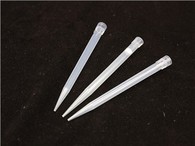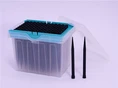




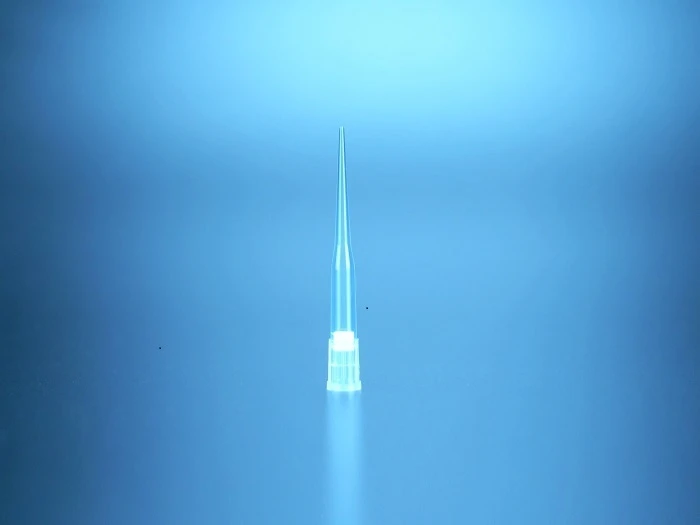
sterile micropipette tips
Sterile packaging: Each pipette tip is packaged under a strictly controlled sterile environment to ensure that it will not be contaminated by microorganisms before use. Sterile packaging is essential for many experiments, especially in cell culture, aseptic operation and molecular biology research. In these experiments, the introduction of any microorganisms may have a negative impact on the sample, thereby interfering with the accuracy of the experimental results. By packaging under sterile conditions, contamination by bacteria, fungi or other microorganisms in the environment can be effectively avoided, ensuring the purity of the sample and the reliability of the experiment. This meticulous packaging process also helps to maintain high standards of laboratory operations and reduces potential problems caused by contamination during the experiment.
High-quality materials: The pipette tips are made of high-quality polypropylene material, which has excellent chemical stability and heat resistance. Polypropylene not only provides sufficient strength and durability, but also resists the erosion of a variety of chemical reagents, thereby maintaining stable performance under various experimental conditions. For example, polypropylene has good tolerance to common acids, alkalis and solvents, ensuring that the pipette tips will not degrade or react when exposed to these chemicals. The stability of this material allows the pipette tips to be used for a long time in a harsh experimental environment without affecting their performance, while reducing problems caused by material instability in the experiment.
RNase-free, DNase-free and pyrogen-free: The manufacturing process of the pipette tips is strictly controlled to ensure that they are free of RNase, DNase and pyrogen. The RNase-free and DNase-free properties are essential for experiments involving RNA and DNA processing, as these enzymes can degrade nucleic acids and affect the accuracy and reproducibility of experimental results. The pyrogen-free property further ensures a contamination-free environment in cell and microbial experiments, preventing interference with biological reactions caused by pyrogens. By controlling these factors, the reliability of experimental results can be greatly improved, especially when conducting delicate molecular biology and genetic research, these features can ensure the purity and accuracy of data.
Accurate liquid transfer: The design of the pipette tips is precisely controlled to ensure accurate transfer of liquid volume. The transparent material design allows the user to clearly observe the volume of the liquid, helping the operator to accurately measure and dispense the liquid, reducing errors in operation. Accurate volume control is essential for many experiments, especially in scientific research that requires high precision and reproducibility. By providing a clear view, the transparent design allows the user to monitor the liquid level in real time during operation, thereby improving the accuracy and reliability of the experiment.
Material composition and features
The material of the sterile micropipette tip is mainly composed of high-quality polypropylene (PP). This material has the following significant characteristics:
High purity: Polypropylene materials are strictly screened and processed during the production process to ensure that there are no residual contaminants, especially no RNase, no DNase and no pyrogen. This high purity feature ensures that no enzymes or microorganisms that may affect the samples and experimental results are introduced during the experimental operation.
Chemical stability: Polypropylene has excellent chemical stability and can resist the erosion of various chemical reagents and solvents. It can maintain the stability of its physical and chemical properties when exposed to a variety of chemicals such as acids, alkalis, alcohols, etc., and will not degrade or dissolve. This chemical stability enables it to perform well in complex experimental environments.


Heat resistance: The heat resistance of polypropylene materials enables it to be stably used in high temperature environments within a certain range. Although its heat resistance is limited, it can withstand the temperature fluctuations that occur during routine experiments, ensuring stable performance under high temperature experimental conditions.
Physical strength: Polypropylene has good physical strength and toughness, which makes the pipette tip less likely to break or deform during operation. Its strength and rigidity enable it to withstand the operating pressure of the pipette without affecting the transfer accuracy of the liquid.
Application areas of polypropylene pipette tips
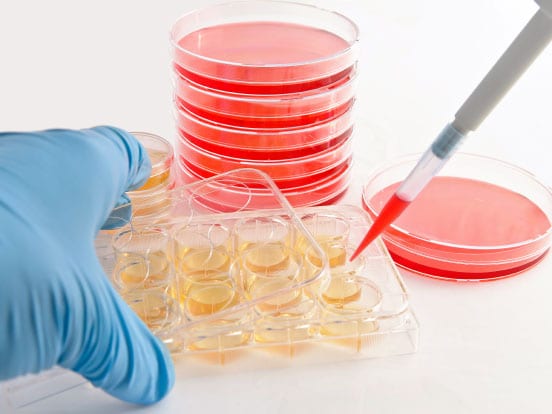
Cell Culture:
In cell culture experiments, this sterile micropipette tip is used to accurately transfer cell culture media, reagents, and drugs. Since cell culture has strict requirements for a sterile environment, the sterile nature of the tip can effectively avoid microbial contamination, thereby protecting the pure environment for cell growth and ensuring the accuracy and repeatability of experimental results. Its precise liquid transfer function also helps to ensure the correct amount of culture medium and drugs, maintain the health of cells and the reliability of experiments.
Molecular Biology:
In molecular biology research, sterile micropipette tips are widely used in DNA and RNA extraction, PCR (polymerase chain reaction), qPCR (real-time quantitative PCR), gene cloning and other related experiments. Due to the RNase-free and DNase-free properties of polypropylene materials, the degradation of nucleic acid samples can be effectively avoided, thereby improving the accuracy and reliability of experimental data. The transparent design allows researchers to accurately observe the liquid volume, ensure high-precision liquid transfer, and support delicate molecular operations.

Maybe you have the following questions
1: What is the material of this pipette tip?
This pipette tip is made of high-quality polypropylene material. Polypropylene is a plastic widely used in laboratory consumables and is favored for its chemical stability and heat resistance. It can resist the erosion of a variety of chemical reagents and solvents, and has good high temperature resistance, which is suitable for use under a variety of experimental conditions. In addition, the sterility of this material ensures that no contaminants are introduced during the experiment, especially in experiments that require aseptic operation.
2: How is the sterility of the pipette tip guaranteed?
Each pipette tip is packaged under a strictly controlled aseptic environment during the production process. This aseptic packaging process ensures that the pipette tip is not contaminated by external microorganisms before use. This is crucial for experiments involving cell culture, aseptic operation and other high-precision experiments. The sterility helps to avoid microbial contamination of experimental samples and ensure the accuracy and reliability of the experiment.
3: Is this pipette tip suitable for handling high-viscosity liquids?
Although this pipette tip is mainly designed to handle various liquids, its specific performance also depends on the nature of the liquid and the experimental requirements. Generally, high-quality polypropylene materials can handle liquids of a certain viscosity, but when dealing with particularly high viscosity or special liquids, specially designed tips may need to be considered. If the experiment involves high-viscosity liquids, it is recommended to confirm the specific technical specifications and applicable scope of the tip to ensure that it can meet the experimental needs.
4: What are the options for the volume range of the tip?
This tip provides a variety of capacity specifications, ranging from microtips to large-capacity tips. This diverse selection can meet the needs of different experiments. For example, microtips are suitable for operations that require precise measurement of small amounts of liquid, while large-capacity tips are suitable for transferring larger volumes of liquid. According to the requirements of the specific experiment, users can choose the appropriate tip capacity to ensure the accuracy and efficiency of liquid transfer.
5: Is the tip compatible with multiple brands of pipettes?
This tip design meets international standards and has high compatibility. It can be used with most brands of pipettes. This compatibility design allows laboratories to flexibly choose suitable pipettes and avoids the problem of brand mismatch. Users do not need to worry about the compatibility of the tip with the pipette, thereby improving the convenience and efficiency of experimental operations.
6: What are the advantages of the transparency of the tip?
The transparent design of the tip allows the user to clearly observe the liquid volume inside the tip. This transparency helps to monitor the liquid level in real time during the liquid transfer process, thereby ensuring the accuracy of each operation. By visualizing the liquid volume, the operator can better control the amount of liquid, avoid operational problems caused by visual errors, and improve the accuracy and reliability of the experiment.
7: How to ensure the quality and reliability of this tip?
The production process of this tip strictly follows quality control standards to ensure that each tip meets high quality requirements. Manufacturers usually conduct a series of quality checks, including material testing, dimensional verification, and sterile packaging confirmation to ensure the reliability of the product. The use of verified raw materials and advanced production processes, coupled with strict quality control, can effectively ensure the stability and reliability of the tip under various experimental conditions. Users can also further confirm its quality by viewing the product's quality certification and laboratory verification report.
Hot Tags: sterile micropipette tips, China, suppliers, manufacturers, factory, custom, wholesale, for sale, sterile Conductive filterd Tip, Lab Plastic Pcr Tubes, Hard Shell 96 Well Pcr Plate, Low Binding Pipet Tip, Filter Pipette Tip, Aerosol Barrier Pipette Tip