


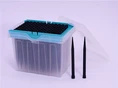





500 ml reagent bottle
Excellent chemical resistance:This reagent bottle is made of high-quality materials and has excellent chemical resistance. It can resist corrosion from most chemicals, including common acids, alkalis, solvents, etc. Such chemical resistance ensures that the bottle will not be corroded or damaged when storing various chemical reagents, thereby maintaining the accuracy of the experiment and the purity of the reagents.
Bottle cap with torque measurement design:The bottle cap is equipped with a torque measurement design, making it particularly suitable for use in automated canning lines. This design ensures that the bottle cap is properly tightened during the automated production process to prevent leakage or damage caused by insufficient or excessive torque. This design improves the efficiency of the production line and ensures that each bottle can maintain a reliable seal when packaged.
Pharmaceutical grade PE bag single and double layer packaging:In order to meet the requirements of the clean area, the bottle is packaged in a single or double layer of pharmaceutical grade PE bags. This packaging method not only effectively protects the cleanliness of the bottle during transportation and storage, but also avoids contact with external contaminants. The choice of single and double layer packaging meets the needs of different environments and ensures that the product is sterile when it arrives at the place of use.
Brown bottle reduces UV light transmission:The bottle is made of brown glass material, which can significantly reduce the transmission of UV light, thereby protecting the photosensitive contents in the bottle from light. This feature is particularly important for storing light-sensitive chemicals and drugs, which can prevent chemical reactions or degradation caused by light and maintain the stability and effectiveness of the reagents. At the same time, the brown bottle also has good high temperature resistance and can be used under high temperature conditions without fading.
Screw-cap packaging, endotoxin-free (pyrogen), sterile version:The reagent bottle is available in a screw-cap packaging version to ensure that there is no endotoxin (pyrogen) and sterility in the bottle. Endotoxin control is essential for biological experiments and pharmaceutical processes, and the sterile version ensures that the bottle will not be contaminated by microorganisms before use. These characteristics make the bottle more reliable in high-standard laboratory and production environments, ensuring the accuracy of experimental results and the safety of products.
Material composition of this product
This reagent bottle is made of high-quality polypropylene (PP), an engineering plastic with excellent chemical resistance. It can effectively resist the erosion of a variety of chemical reagents, including acids, alkalis, alcohols and some organic solvents. This material not only has a high degree of chemical stability, but also maintains its physical properties to prevent deformation or cracking during the storage of chemicals, ensuring the long-term use of the bottle and the purity of the reagents.


In addition, polypropylene has excellent high and low temperature resistance. It can withstand high-temperature sterilization up to 121°C and can be used in environments as low as -100°C without brittle cracking or deformation. This makes the bottle suitable for a wide range of laboratory applications, including scenarios that require high-temperature sterilization and frozen storage. The strength and toughness of polypropylene also make it more durable during transportation and use, reducing the risk of breakage and providing reliable performance and safety.
Application areas of 500 ml reagent bottle

Biological and biochemical research
Sample preservation: In biological and biochemical research, this reagent bottle is ideal for storing a variety of biological samples, cell culture media, and other biological reagents. Its excellent cryogenic resistance allows the bottle to be used at extremely low temperatures and can safely store samples in a frozen environment. This feature is essential for biological samples that require long-term cryogenic storage, such as cell lines, tissue samples, or frozen liquids. The bottle's cryogenic resistance ensures that the bottle will not crack or deform in an environment of -100°C, thereby effectively protecting the stability and integrity of the sample.
Reaction mixing: In addition, this bottle also performs well in biochemical reactions. Its stable material and high-quality sealing design make it an ideal choice for mixing and handling biochemical reaction reagents. Whether performing enzyme reactions, protein purification, or other biochemical experiments, the bottle can maintain the stability of the reagents and prevent the external environment from interfering with the reaction results. The scale markings on the bottle body help to accurately measure and prepare reagents, ensure the consistency and reliability of the experiment, and support precise experimental operations and results analysis.
Pharmaceutical Industry
Raw Material Storage: In the pharmaceutical industry, this reagent bottle is widely used to store chemical raw materials and intermediates required in the production process of drugs. Its excellent sealing performance ensures that the raw materials will not be contaminated by the external environment during storage, and its chemical resistance can effectively protect the raw materials from chemical reactions. The bottle can prevent liquid leakage and volatilization, maintain the purity and quality of raw materials, and ensure the safety and stability of the drug production process.
Quality Control: The bottle also plays an important role in quality control experiments in the pharmaceutical industry. Its high sealing and chemical stability make it suitable for storing and handling samples to be tested, ensuring the accuracy and reliability of samples during quality testing. The design of the bottle not only prevents contamination of samples during storage and transportation, but also effectively avoids any possible cross contamination, providing reliable guarantee for drug quality control.

Maybe you have the following questions
1. How high a temperature can this material withstand?
Polypropylene (PP) can withstand temperatures up to 121°C and can be sterilized at this temperature. This makes this material ideal for applications that require high-temperature sterilization, such as microbiology experiments and aseptic operations. Its high-temperature resistance ensures that the bottle will not deform or leak during the high-temperature sterilization process, thereby ensuring the cleanliness and reliability of the experimental environment.
2. How does this material perform in low-temperature environments?
Polypropylene has excellent low-temperature resistance and can be safely used in environments as low as -100°C. This makes the bottle ideal for cryopreservation of biological samples, chemical reagents, or other temperature-sensitive materials. At extremely low temperatures, polypropylene will not become brittle or crack, thereby ensuring the structural integrity of the bottle and the safety of the sample.
3. What types of chemicals can this material bottle resist?
Polypropylene has good resistance to a variety of chemical reagents, including common acids, bases, alcohols, and certain organic solvents. Its chemical stability ensures that the bottle will not react or corrode when storing these chemicals. However, its tolerance to some strong oxidants and aromatic solvents may be limited. Therefore, before use, it is recommended to consult the chemical compatibility table or conduct a small-scale test to ensure the compatibility of the material with the specific chemical.
4. Is this material easy to clean?
Polypropylene bottles are relatively easy to clean and can usually be cleaned with mild detergents and warm water. Its smooth surface reduces the accumulation of dirt and residues, making the cleaning process more efficient. Polypropylene can maintain good performance in the case of repeated use, but the bottle may show slight wear or scratches after multiple washings. Therefore, it is recommended to check the condition of the bottle regularly and replace it when obvious damage is found to ensure reliability and hygiene during use.
5. Will this material bottle cause any migration or contamination of the stored liquid?
Polypropylene generally does not cause significant migration or contamination of the stored liquid. The chemical stability of this material ensures that no harmful substances will be released when storing most liquids. However, for some particularly sensitive chemicals or biological agents, further confirmation of the compatibility of polypropylene may be required to prevent any potential interactions or contamination. Performing necessary compatibility tests can help ensure the purity of the liquid and the accuracy of the experimental results.
6. Are bottles made of this material prone to breakage during transportation?
Polypropylene has good toughness and impact resistance, making it less likely to break during transportation and handling. Compared to brittle materials such as glass, polypropylene bottles are more likely to maintain integrity when impacted, thereby reducing the risk of breakage. This makes it suitable for use during transportation and handling, especially in situations where bottles need to be prevented from breaking and leaking. Nevertheless, in order to ensure maximum safety during transportation, it is still a wise choice to use appropriate protective packaging.
7. Will bottles made of this material affect the light stability of the liquid in the bottle?
Polypropylene bottles generally do not have special light protection functions, and transparent or translucent bottles may allow a certain amount of light to pass through, which may affect light-sensitive materials. If light protection is a key requirement, you need to choose our specially designed brown or light-shielding bottles to reduce the transmission of ultraviolet and visible light and protect light-sensitive contents from light.
Hot Tags: 500 ml reagent bottle, China, suppliers, manufacturers, factory, custom, wholesale, for sale, Plastic Universal Tip, Sterile Pcr Tubes Strip, 0 2ml Pcr Microplate, 96 deep well plate, Hard Shell 96 Well Pcr Plate, Round Deep Well Plate


