


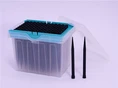





chemistry bottle reagent
Chemical resistance
The bottle has excellent chemical resistance and can effectively resist the erosion of various acids, bases, solvents and other chemical reagents. Whether it is strong acids, strong bases or organic solvents, this reagent bottle can maintain its physical properties without reaction or corrosion, thereby protecting the purity and quality of the reagents in the bottle. This chemical resistance allows the bottle to stably store chemicals in various experimental and industrial applications.
Excellent sealing
The reagent bottle is equipped with a high-quality bottle cap, which is designed with excellent sealing in mind. The bottle cap is usually leak-proof, which effectively prevents liquid leakage and volatilization. This sealing design not only protects the reagents in the bottle from external contamination, but also extends the shelf life of the reagents. For those reagents that need to be stored for a long time, sealing is particularly important to ensure that the reagents maintain their stability and effectiveness during use.
High and low temperature resistance
The reagent bottle can withstand high and low temperatures and adapt to various extreme environmental conditions. Glass bottles can usually withstand high temperature sterilization and are suitable for scenes requiring high temperature disinfection. Polypropylene bottles can be used at temperatures as low as -100°C and are suitable for frozen storage. Whether in high-temperature sterilization or low-temperature storage, the bottle can maintain its physical properties, ensuring the safe storage of reagents at different temperatures.
Clear scale markings
Reagent bottles are usually equipped with clear scale markings, which are convenient for users to accurately measure and prepare liquids. The scale design not only improves the convenience of use, but also helps users to maintain precision during the experiment. This design is especially important for chemical experiments that require precise proportioning and mixing, which can ensure the accuracy of experimental results.
Material and structure description of this product
Medical-grade raw materials and production environment
The chemical reagent bottle is made of medical-grade raw materials, ensuring extremely high purity and safety. During the production process, the bottle is manufactured in a 100,000-level purification workshop. This environment meets strict clean room standards, effectively reduces the presence of particulate matter and microorganisms in the air, and avoids the risk of cross-contamination. In particular, the strict control of nuclease-free and pyrogen-free makes the bottle very suitable for medical and scientific research applications with high requirements for purity and pollution-free. The nuclease-free and pyrogen-free characteristics ensure that the bottle does not introduce exogenous enzymes or pyrogens when processing sensitive biological samples, thereby ensuring the accuracy of experimental results and the purity of reagents. These measures make the bottle highly reliable in the fields of pharmaceuticals, clinical trials and biotechnology.


High-temperature sterilization and durability
The polypropylene material of the bottle can withstand temperatures up to 121°C and can be sterilized at this temperature for up to 30 minutes without deformation or leakage. This high-temperature resistance of polypropylene makes it very suitable for application scenarios that require high-temperature sterilization, such as laboratory sterilization processes and disinfection of medical devices. During the high-temperature sterilization process, the bottle can maintain its physical integrity, ensuring that its structural stability or leakage will not be affected by excessive temperatures, which is critical to maintaining a sterile environment during experiments and processing. In addition, the durability of the bottle ensures that it can still maintain excellent sealing and chemical stability after long-term high-temperature treatment, providing a reliable solution for harsh applications in laboratories and medical environments.
Application areas of chemistry bottle reagent

Laboratory Chemical Applications
Reagent Storage: Used to store various chemical reagents, such as acids, alkalis, solvents and other chemicals. The excellent sealing and chemical corrosion resistance of the bottle ensure the stability and purity of the reagents during long-term storage.
Solution Preparation: Suitable for preparing and mixing chemical solutions in the laboratory. The scale markings on the bottle body facilitate accurate measurement of liquid volume and ensure the accuracy of the preparation process.
Sample Preservation: Used to preserve samples or reaction liquids generated during the experiment to prevent contamination and volatilization and ensure the accuracy of experimental results.
Biological and Biochemical Research
Biological Sample Preservation: Suitable for preserving biological samples, such as cell culture media, tissue samples or other biological reagents. The low-temperature resistance of the bottle enables safe storage of samples in a frozen environment.
Reaction Mixing: Used to mix and process reagents in biochemical reactions to ensure the stability and consistency of reagents during the reaction.

Maybe you have the following questions
1. How do these bottles perform at extreme temperatures?
Polypropylene performs well at extreme temperatures. At high temperatures, it can withstand temperatures up to 121°C, making it suitable for use in high-temperature sterilization processes without deformation or structural damage. At low temperatures, polypropylene's toughness remains stable and it can be used at temperatures as low as -100°C without becoming brittle or cracking. The thermal stability and low-temperature adaptability of this material allow the bottles to maintain their structural integrity and functionality in a variety of laboratory and industrial environments.
2. What chemicals are polypropylene bottles best resistant to?
Polypropylene has excellent resistance to many common chemicals, including most acids, bases, alcohols, and certain organic solvents. This resistance makes it perform well when handling and storing these chemicals. However, for some particularly strong chemicals, such as concentrated sulfuric acid or chlorinating agents, polypropylene may not be as resistant as other materials. Therefore, specific chemical compatibility data should be referenced when purchasing to ensure that the selected material is suitable for the required application.
3. Will these bottles undergo physical or chemical changes during long-term storage?
Polypropylene generally exhibits good stability during long-term storage. It is not prone to physical deformation or chemical degradation, thus maintaining the original properties and performance of the bottle. However, over time and with increased frequency of use, the bottle may develop some minor wear and tear, such as surface scratches or tiny cracks. This change will not significantly affect the function of the bottle in most cases, but it may have some impact on the sealing or chemical resistance. Therefore, regular inspection of the bottle and proper maintenance are necessary.
4. Will the bottle made of polypropylene release harmful substances?
Polypropylene is widely used in chemical and medical applications and does not release harmful substances itself. Its chemical stability ensures that under normal use conditions, the bottle will not react with the stored chemicals or release harmful chemicals. However, there may be a risk of trace release of substances under high temperature or extreme environments. Therefore, relevant tests are recommended to confirm its safety in high temperature applications or when sensitive chemicals are involved.
5. How resistant is this material to UV rays?
Polypropylene has a low tolerance to UV rays and usually does not have a dedicated light protection function. If the bottle stores photosensitive materials, the penetration of light may affect the stability of the material. Therefore, for photosensitive materials that need to avoid UV exposure, it is recommended to choose brown or opaque bottles, which are usually specially treated to reduce the penetration of UV rays and protect the internal contents from light.
6. Are bottles of this material easily affected by environmental conditions?
Polypropylene has good environmental tolerance, but it may be affected to a certain extent under extreme environmental conditions. For example, under long-term strong UV exposure, polypropylene may show aging phenomena, such as surface brittleness or discoloration. Its performance stability is good under high or low temperature conditions, but it is still necessary to avoid operations beyond its temperature resistance range. In addition, polypropylene can also maintain good performance under extreme humidity conditions, but in high humidity environments, the sealing performance of the bottle should be paid special attention to prevent leakage or moisture infiltration.
7. Will this material introduce impurities during the production and processing of bottles?
In the production process of polypropylene bottles, if strict manufacturing standards and clean environments are followed, impurities are usually not introduced. High-quality production processes will include the screening of raw materials, the cleaning of processing equipment, and the control of the production environment to prevent the introduction of impurities and contaminants. Polypropylene itself has low mobility, which means that under normal use conditions, it will not release significant amounts of impurities into the bottle contents. However, in some special applications, additional purification or quality testing may be required to ensure that the bottle is of the required purity.
Hot Tags: chemistry bottle reagent, China, suppliers, manufacturers, factory, custom, wholesale, for sale, glass Deep well plate, 96 Well Microplate For Pcr, plastic PCR Tubes, sterile Conductive filterd Tip, Round Deep Well Plate, 2ml Deep Well Plate


